A Persian rug can quietly carry the whole room. Its color, handwoven detail, and history make it more than a floor covering, especially when it has been passed down, collected over time, or chosen as a meaningful investment. Proper Persian rug care helps preserve those qualities while protecting the rug from the everyday realities of Nebraska homes: winter grit, dry indoor air, pets, busy entryways, spills, and furniture weight.
The right approach is not to treat a Persian rug like wall-to-wall carpet. Handmade rugs can contain wool, silk, cotton, natural dyes, and delicate foundations that respond differently to moisture, cleaning products, and abrasion. A little consistent attention at home, paired with professional washing when needed, can extend a rug’s useful life for decades.
Why Persian Rug Care Requires a Different Approach
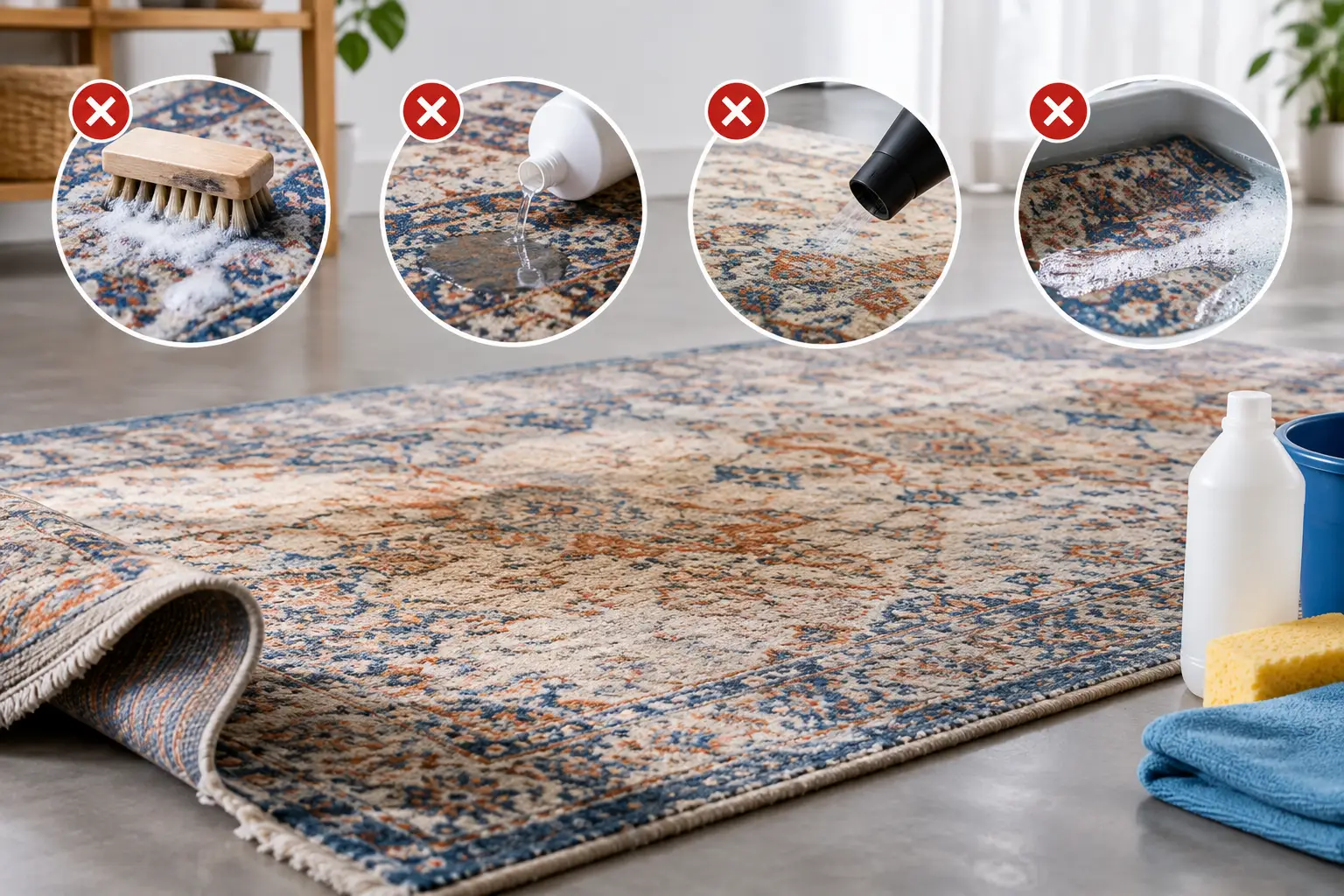
Many Persian rugs are hand-knotted, meaning thousands or even millions of individual knots create the pile and pattern. The fibers may be strong, but the rug’s foundation, fringe, dyes, and hand-finished details need thoughtful care. Aggressive scrubbing can distort the pile. Too much water can cause dye bleeding or leave contamination deep in the foundation. Harsh spot products can fade color or alter wool’s natural texture.
This is also why surface cleaning alone is not always enough. Soil settles below the visible pile, where it can act like sandpaper as people walk across the rug. Over time, that hidden grit contributes to fiber wear, dull color, and thinning in traffic areas. Professional rug washing is designed to address both the face fibers and the embedded soil that ordinary vacuuming cannot reach.
Age and construction matter, too. A newer machine-made rug may tolerate a different cleaning method than an antique handmade Persian. Silk rugs, rugs with unstable dyes, and pieces with prior repairs all deserve an evaluation before any wet cleaning begins. The safest method depends on the individual rug, not just the stain on its surface.
Daily Habits That Protect Persian Rugs
Vacuuming is one of the most useful parts of Persian rug care, provided it is done gently. Vacuum the main body of the rug regularly to remove dry soil before it works its way down into the fibers. For a lightly used room, every week or two may be enough. A rug in an entryway, living room, or pet-friendly area may need more frequent attention.
Avoid running a beater bar or rotating brush over fringe. Fringe is part of the rug’s foundation, not a decorative add-on, and repeated pulling can loosen or break the fibers. Use a suction-only attachment around the ends and edges, or carefully vacuum near the fringe without passing over it. If the vacuum is pulling at loose yarns, stop and have the area inspected before more damage occurs.
Rotate the rug once or twice a year when practical. Rotation spreads sun exposure and foot traffic more evenly, which helps reduce uneven fading and pile wear. If one side sits near a large window, closing blinds during the brightest parts of the day can also protect dyes from gradual fading.
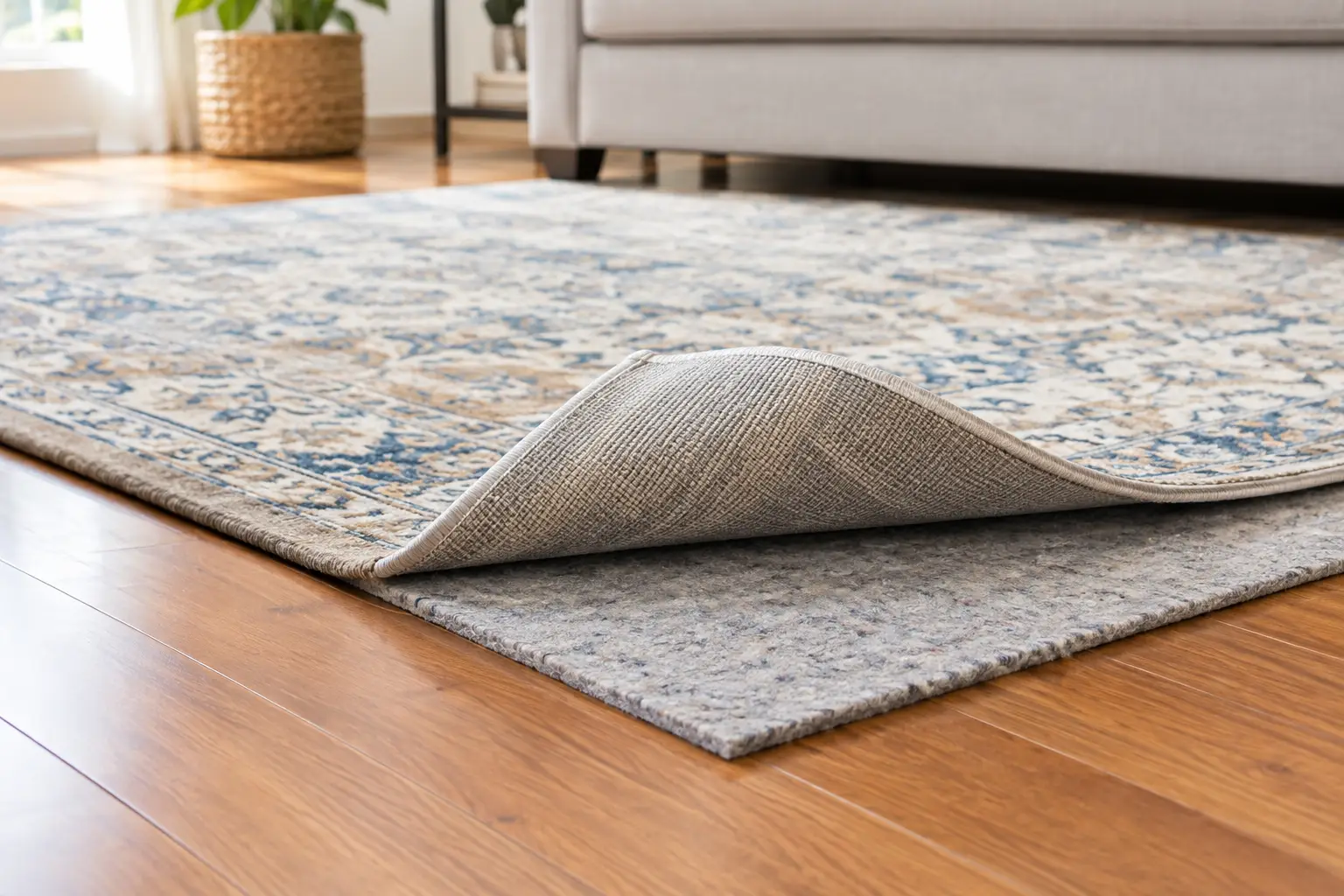
Furniture deserves attention as well. Heavy legs can compress wool pile and create visible dents. Rug pads soften the pressure, reduce sliding, and create a protective layer between the rug and the floor. The right pad depends on the flooring beneath it, so avoid using a one-size-fits-all pad that could trap moisture, discolor wood, or leave residue behind.
What to Do When a Spill Happens
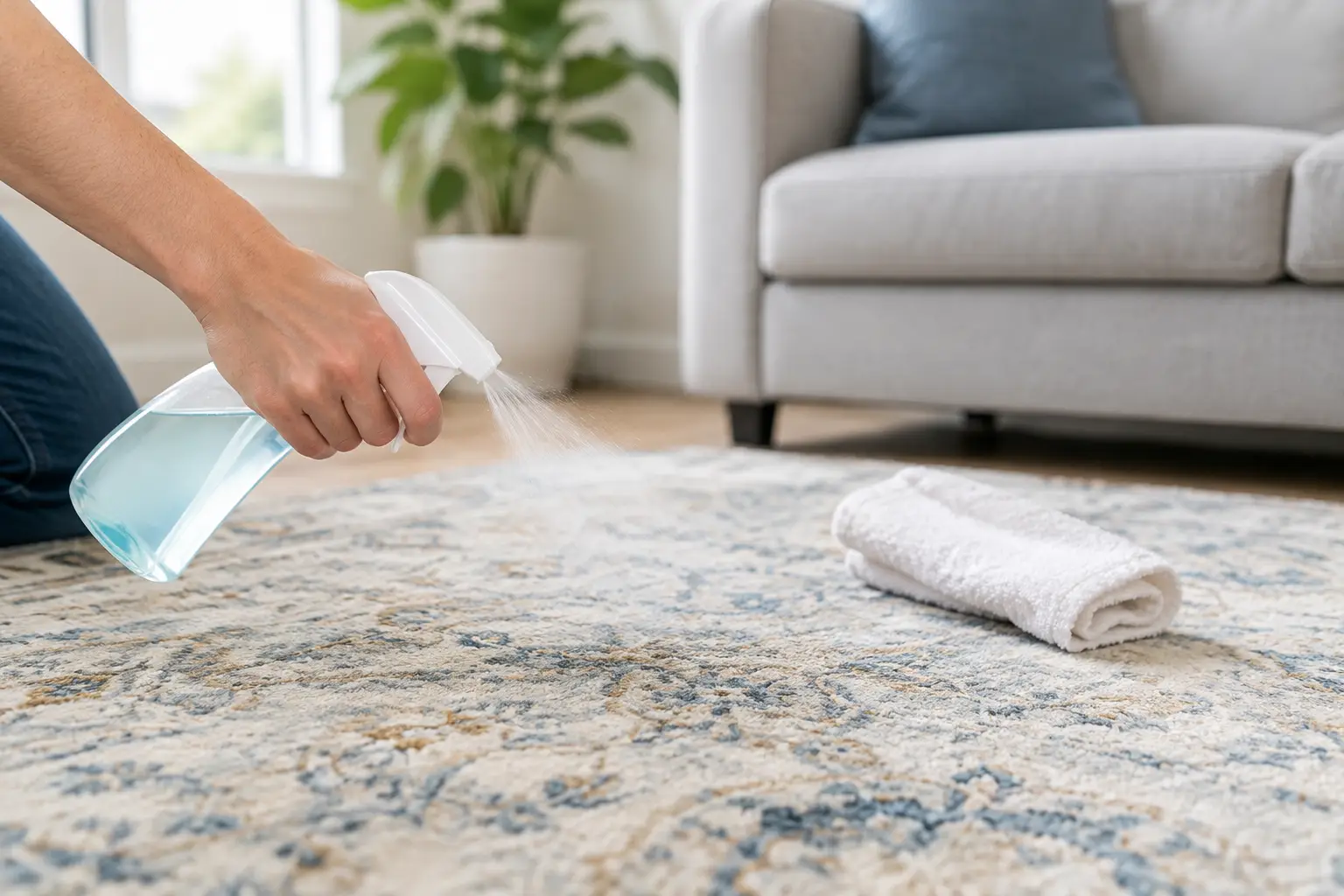
Fast action makes a real difference, but the goal is containment, not aggressive stain removal. Blot the spill immediately with clean white towels or paper towels. Press down firmly, then replace the towel and repeat. Do not rub. Rubbing spreads the spill, pushes it deeper into the fibers, and can roughen the wool.
For a simple water-soluble spill, use a small amount of cool water on a clean white cloth after blotting. Work from the outside of the spot toward the center and use as little moisture as possible. Blot again until the area is nearly dry. Avoid hot water, which can set some stains and may cause certain dyes to move.
Skip store-bought spot cleaners unless a rug professional has confirmed they are appropriate for your specific rug. Bleach, ammonia, vinegar mixtures, dish soap, and enzyme products may sound harmless, but they can affect dyes, leave a sticky residue that attracts soil, or create a larger cleaning problem. This is especially true with pet accidents, red wine, coffee, grease, and unknown stains.
If a spill reaches the foundation, has a strong odor, or returns after it appears dry, the rug likely needs more than spot treatment. Pet urine is a common example. Urine can travel through the pile into the backing and pad, where odor-causing residue remains even when the surface looks clean. A proper treatment requires addressing the full depth of the contamination.
When Professional Persian Rug Washing Is Needed
A Persian rug does not need to look visibly dirty before it benefits from washing. Most rugs in active households should be professionally cleaned every few years, though frequency depends on use, pets, allergies, and location. Rugs near exterior doors or under dining tables may need care sooner. A rug in a formal room with little traffic may go longer between washings.
There are several signs it is time to schedule an evaluation:
- The colors look dull even after vacuuming.
- The rug feels gritty, stiff, or matted in traffic lanes.
- Pet odors return during humid weather.
- Spills, dark edges, or spots have become noticeable.
- Allergens and dust are a concern for someone in the household.
- Fringe is yellowing, tangled, or beginning to pull away.
True area rug washing is different from cleaning a rug in place with carpet equipment. A qualified facility can inspect fibers and dyes, remove dry soil, select the appropriate wash process, manage odor treatment, rinse thoroughly, and dry the rug under controlled conditions. That process helps prevent problems such as overwetting, browning, lingering residue, and mildew odors.
For rugs with torn fringe, open edges, moth damage, color loss, or holes, cleaning and repair often work best as part of the same care plan. Washing reveals the rug’s true condition and removes soil that can interfere with a lasting repair. Not every imperfection needs to be restored, particularly if the rug has valued age and character, but stopping active damage early is usually less costly than waiting.
Protecting Rugs From Moths, Moisture, and Storage Damage
Moths are attracted to natural fibers such as wool, particularly in dark, undisturbed areas where pet hair, food crumbs, and body oils are present. The damage can begin on the back of a rug or underneath furniture, so it is not always easy to spot. Regular vacuuming, occasional inspection, and professional cleaning before long-term storage are practical prevention steps.
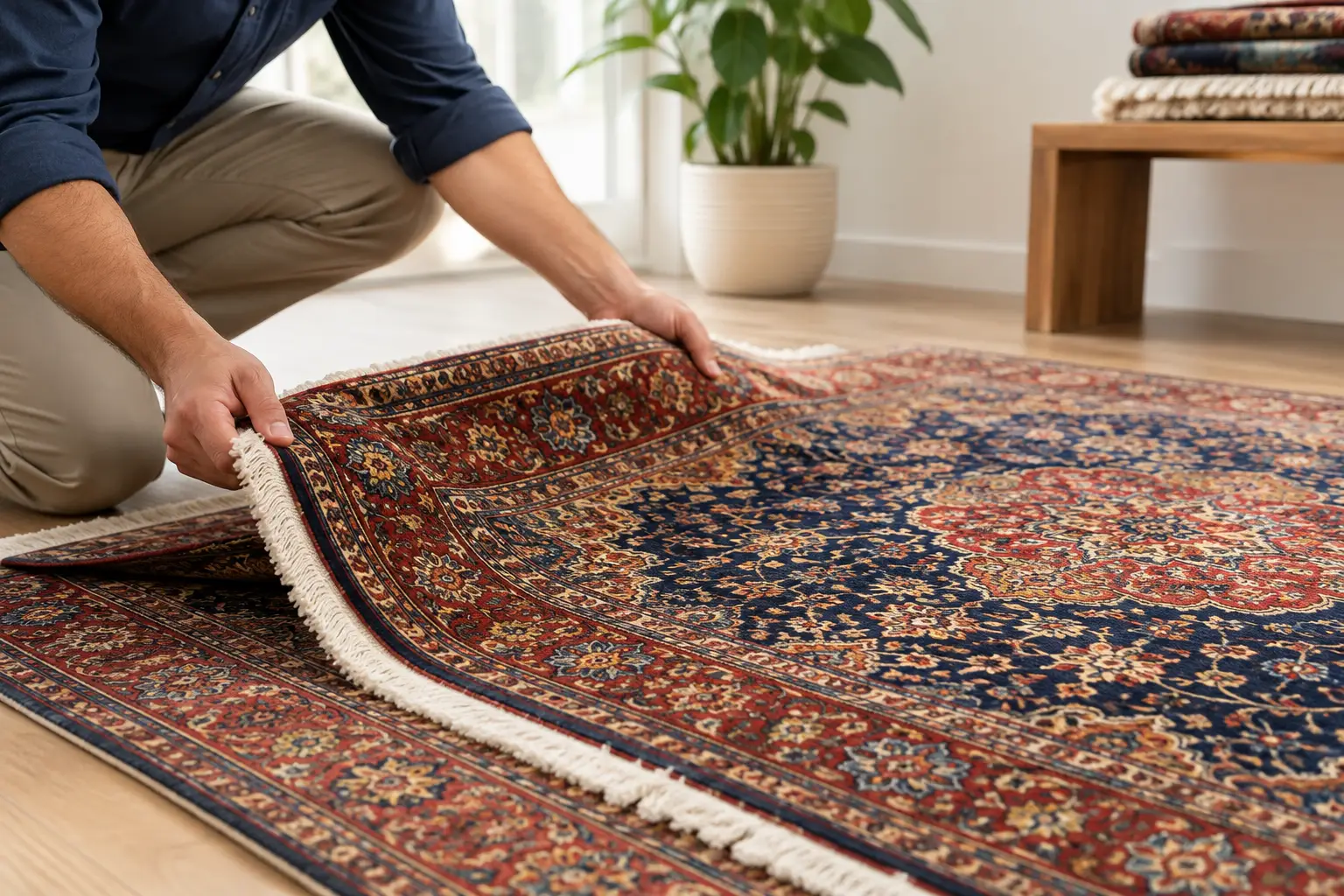
Never store a Persian rug dirty or damp. Before placing one in storage, have it washed if it has been exposed to pets, food, smoke, or heavy traffic. Roll the rug rather than folding it, with the pile facing inward when possible. Store it in a dry, climate-controlled place off the floor. Basements, garages, sheds, and plastic bags can create conditions that invite moisture problems or insect activity.
If you notice loose fibers, bare patches, small holes, or powdery debris beneath the rug, arrange an inspection promptly. It may be moth activity, but it could also be wear or deterioration in the foundation. Early answers allow for more preservation options.
A Local Partner for Long-Term Rug Preservation
Your rug does not need constant intervention. It needs the right care at the right time: gentle maintenance at home, prompt attention after accidents, proper padding, and specialized washing before embedded soil or odor becomes a larger problem. That balance protects both the beauty you see and the structure beneath it.
For Omaha and Lincoln households, Omaha’s Rug Cleaning and Restoration provides facility-based washing, odor treatment, repair, fringe care, moth treatment, and pickup and delivery for rugs that deserve more than a standard carpet-cleaning approach. If you are unsure whether a stain, odor, worn edge, or faded area needs service, an expert assessment can help you make the right decision without doing more work than your rug needs.
A well-cared-for Persian rug becomes easier to live with, not harder to protect. Give it a gentle routine, keep an eye on small changes, and seek specialized help before a minor issue becomes permanent damage.