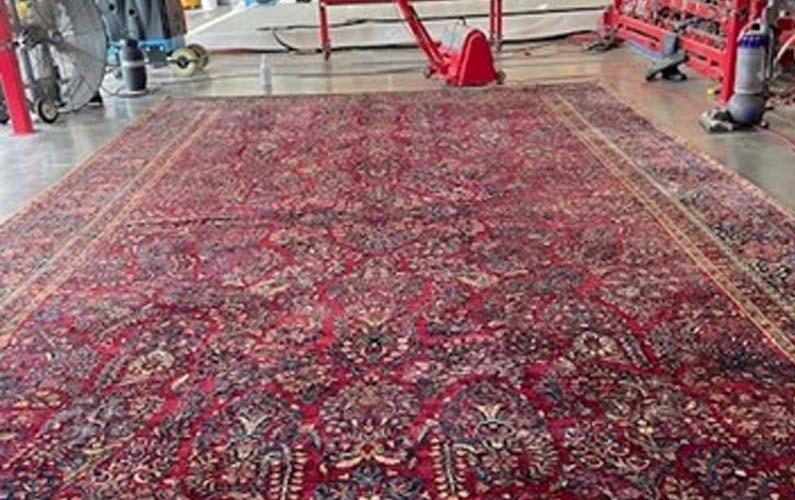
A rug can look clean on the surface while holding months of grit, pet hair, pollen, and fine soil deep in its foundation. That hidden buildup is one reason thoughtful rug care matters. It protects the color and texture you enjoy every day, while helping preserve an investment that may be handmade, antique, sentimental, or simply central to how your home feels.
For Omaha and Lincoln households, rugs also deal with real-life wear: snowy boots, spring pollen, muddy paws, spilled drinks, and dry indoor air during winter. The right approach is not to treat every rug the same. Fiber type, construction, dyes, age, traffic level, and the type of stain all affect what safe cleaning looks like.
Rug Care Starts With Everyday Prevention
Regular maintenance does more than keep a rug looking presentable. It limits the abrasive soil that slowly wears down fibers. Think of dry grit as tiny sandpaper particles. Each step across a dirty rug can press that grit farther into the pile and against the backing or foundation.
Vacuuming is the simplest first line of defense. Most rugs in active areas benefit from vacuuming once or twice a week, while low-traffic rugs may need less attention. Use care around fringe. Vacuuming fringe with a beater bar can pull, fray, or tangle the fibers, so it is better to use an upholstery attachment or gently clean around it.
Rotation helps, too. Turning a rug every six to 12 months can distribute traffic and sunlight exposure more evenly. If one side receives direct afternoon sun, rotating it may reduce the chance of uneven fading. This is particularly useful for rugs with rich reds, blues, and other colors that can be sensitive to prolonged light.
A quality rug pad is another form of protection that is easy to overlook. The right pad helps reduce slipping, cushions foot traffic, and can limit premature wear. It also creates a small buffer between the rug and the floor. The best pad depends on whether the rug sits on hardwood, tile, laminate, or carpet, so one-size-fits-all padding is rarely the best choice.
Respond Quickly to Spills, but Do Not Overclean
When a spill happens, speed matters. Blot the area with a clean white towel, working from the outside of the spill toward the center. Avoid rubbing. Rubbing can push the spill deeper into the fibers, spread it outward, and distort the pile.
Plain, cool water is often the safest starting point for a fresh water-based spill. Use only a small amount, blot again, and allow the rug to dry thoroughly. Too much water can create its own problems, especially if it reaches the foundation and does not dry quickly.
Home stain removers require caution. A product that works well on synthetic wall-to-wall carpet may be too strong for wool, silk, cotton, viscose, or natural dyes. Bleaching, color loss, browning, sticky residue, and fiber damage are all possible when the wrong product is used. Before applying any cleaner, test a hidden area and follow the product directions closely.
Some stains should be left to a specialist from the start. Red wine, coffee, ink, grease, nail polish, pet urine, and mystery spots are common examples. The longer these problems remain, the more likely they are to affect dyes, backing materials, or odor levels. Still, aggressive DIY treatment can make restoration harder. Taking a clear photo and sharing details about what spilled and when can help a rug-care professional recommend the right next step.
Pet Accidents Need More Than Surface Cleaning
Pet urine is especially deceptive. Even when a spot disappears, urine may have traveled into the rug foundation, pad, or floor beneath it. As humidity rises, lingering odor can return because dried urine salts attract moisture from the air.
Sprays and enzyme products may help with a very fresh, minor incident, but they cannot always reach contamination that has spread through multiple layers. A thorough assessment can determine whether odor treatment, a full wash, pad replacement, or floor inspection is needed. Addressing the source is the goal, not simply covering the smell.
Why Professional Rug Care Is Different From Carpet Cleaning
Area rugs are portable textiles, not just small versions of installed carpet. Many have woven foundations, delicate fringe, hand-dyed yarns, or fibers that react differently to moisture and cleaning agents. A rug may be wool, cotton, silk, viscose, polyester, nylon, olefin, or a blend, and each material calls for a different cleaning approach.
This is why professional rug washing is often best performed in a dedicated facility rather than treated like wall-to-wall carpet in the home. Facility-based care allows the rug to be inspected, dusted, tested for colorfastness, washed with methods appropriate to its construction, rinsed more completely, and dried under controlled conditions.
The first step should be inspection. A trained technician looks for worn areas, loose seams, dye instability, prior repairs, pet damage, moth activity, and signs that a stain has altered the fibers. That assessment helps determine what can be safely improved and what may need restoration rather than routine cleaning.
Dry soil removal is a major part of quality washing. Vacuuming alone cannot always remove embedded grit from a dense or handmade rug. Specialized dusting methods can release dry particulate soil before washing begins. This matters because wetting a rug before enough dry soil is removed can turn fine dust into muddy residue within the fibers.
Then comes washing, rinsing, and controlled drying. The process is tailored to the rug, not forced into a single method. Some rugs need gentle hand treatment. Others can tolerate a more thorough wash. The trade-off is simple: faster is not always safer, and the safest process is not always the same for every rug.
Know When Cleaning Is Not the Only Need
A good rug-care plan includes looking beyond dirt. Small repairs completed early can prevent larger problems later. Loose fringe, unraveling edges, open seams, and small holes can worsen with regular foot traffic or vacuuming. Repairing them before they spread helps retain the rug’s appearance and structure.
Moths are another concern for wool rugs, especially those stored in basements, closets, or low-traffic rooms. Adult moths are not the primary threat. Their larvae feed on natural fibers, often in dark, undisturbed areas where food residue, pet hair, and body oils are present. Signs can include thinning wool, irregular bare spots, webbing, or small casings.
Before storing a rug, have it professionally cleaned. Storing a rug with food residue, oils, or pet contamination can attract pests and make odors harder to remove later. Roll the rug rather than folding it, protect it with breathable material, and keep it in a dry, climate-controlled location whenever possible. Plastic can trap moisture, particularly in Nebraska’s humid summer conditions.
Set a Cleaning Schedule That Fits Your Household
There is no single timeline that works for every rug. Many homes benefit from professional cleaning every one to three years. A rug in a busy entryway, dining area, or home with pets and children may need attention more often. A lightly used rug in a formal room may go longer if it receives consistent vacuuming and prompt spill care.
Watch the condition of the rug rather than relying only on the calendar. Dull color, flattened pile, persistent odor, visible traffic lanes, increased allergy symptoms, or a stiff feel underfoot can all indicate that soil has built up. If the rug looks darker at the edges or beneath furniture when you lift a corner, that contrast is often a clear sign it is time for cleaning.
At Omaha’s Rug Cleaning and Restoration, each rug is evaluated for the care it actually needs, whether that means washing, odor treatment, fringe repair, color correction, moth treatment, or a properly fitted pad. With more than 20 years of experience, the focus is on preservation rather than a quick, generic cleaning.
Your rug supports the everyday life of your home. Give it routine attention, respond calmly when accidents happen, and seek expert help before wear or damage becomes permanent. Your clean rugs are waiting.