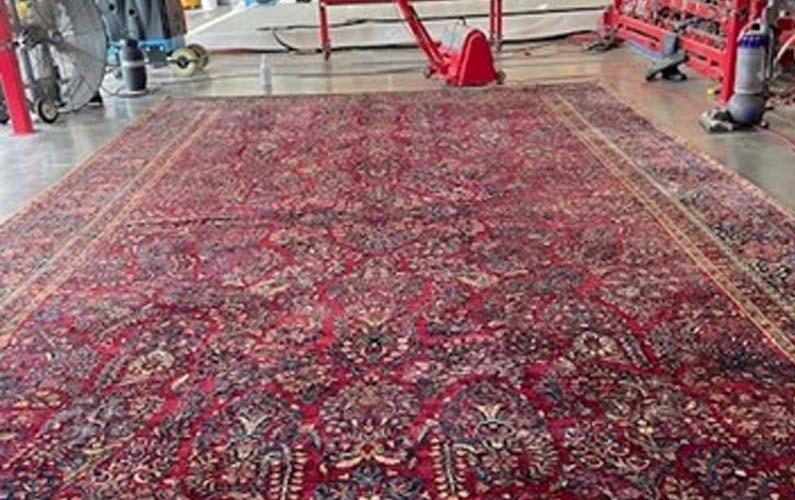
A handwoven rug can carry more than dirt. It may hold family history, years of careful collecting, or the character that makes a room feel finished. That is why an antique rug cleaning service should never treat an older rug like wall-to-wall carpet. The materials, dyes, construction, and condition all deserve a careful plan before any washing begins.
For homeowners in Omaha, Lincoln, and nearby Nebraska communities, professional rug care is about more than making a piece look brighter. It is about preserving the fibers, stabilizing small problems before they become major repairs, and helping a valuable rug remain part of your home for years to come.
Why antique rugs need a different kind of cleaning
Antique rugs were often made by hand with wool, cotton, silk, or a blend of natural fibers. Their dyes may be vegetable-based or less colorfast than modern dyes. Their foundations can become fragile with age, especially in areas exposed to traffic, sunlight, pet accidents, or repeated moisture.
A standard carpet-cleaning approach is not designed around those risks. Surface cleaning may leave embedded dry soil behind, while excessive heat, aggressive chemical products, or too much moisture can cause dye bleeding, shrinkage, texture changes, or foundation damage. Even a rug that appears sturdy can have weakened fringe, worn edges, or brittle fibers that need gentler handling.
Proper cleaning starts with identifying what the rug is made of and how it was constructed. A specialist looks at the pile, backing or foundation, fringe, color condition, stains, odors, and previous repairs. That assessment determines whether the rug needs a full wash, targeted treatment, hand cleaning, color correction, repair work, or a combination of services.
What a professional antique rug cleaning service should include
The right process is tailored to the rug rather than forced into one standard method. At Omaha’s Rug Cleaning and Restoration, every rug receives an evaluation so we can recommend only the work it needs.
Dry soil removal comes first
The most damaging material in many rugs is not a visible spill. It is the dry grit hiding deep in the pile. Sand, dust, soil, and tracked-in debris settle close to the rug’s foundation, where foot traffic can grind them against the fibers like sandpaper.
Thorough dust removal is a critical part of true rug washing. Vacuuming at home is helpful for regular maintenance, but it cannot always remove deeply packed soil from a heavy, hand-knotted, or tightly woven antique rug. Removing that dry soil before washing helps protect the fibers and allows the cleaning process to work more effectively.
Washing must account for fibers and dyes
A careful wash removes the oils, allergens, residue, and soil that ordinary vacuuming leaves behind. Yet the method matters as much as the result. Wool benefits from different handling than silk. Cotton foundations respond differently to moisture than synthetic materials. Older dyes may require special testing and controlled cleaning to prevent migration.
Some rugs can safely receive a deep, facility-based wash. Others need a more limited or hand-cleaning approach because of age, instability, delicate colors, or prior damage. The goal is never to use the strongest treatment available. The goal is to use the safest effective treatment for that individual textile.
Odor treatment needs to reach the source
Pet urine, smoke, mildew, and old spills can settle below the surface of a rug. Spraying fragrance on top may make the room smell better for a short time, but it does not remove the source of the odor.
A professional treatment addresses contamination within the pile and, when needed, the foundation. Pet accidents can be especially challenging because urine may affect dyes and leave crystals behind as it dries. Results depend on how long the odor has been present, how far it traveled into the rug, and whether it reached the floor beneath it. Honest guidance matters here: some severe staining or color loss may require restoration in addition to odor treatment.
Controlled drying protects the rug after washing
An antique rug should not sit wet for an extended period. Slow or uneven drying can contribute to odor, dye movement, and fiber stress. Professional facility cleaning provides the controlled environment needed to wash, rinse, and dry rugs thoroughly.
This is one reason pickup and delivery can be useful for larger or delicate rugs. It allows the rug to be cleaned in the setting designed for the job instead of receiving a limited treatment in the middle of a busy home.
Cleaning can reveal repair needs worth addressing
Washing often brings a rug’s true condition into clearer view. Once soil is removed, a specialist may find loose fringe, unraveling edges, weakened areas, moth damage, or small holes hidden by dirt and compressed pile.
These issues do not always require immediate, extensive restoration. A minor edge repair or fringe repair can sometimes prevent the rug from unraveling further. In other cases, a homeowner may choose to preserve the rug as it is and monitor the condition over time. The best recommendation depends on the rug’s value, its intended use, and the owner’s goals.
Color correction is another service that requires judgment. Sun fading, pet-related discoloration, and chemical damage can affect a rug’s appearance. Restoration may improve a damaged area, but an ethical specialist should explain what is realistic before work begins. Antique textiles are not factory-made products, and preserving their original character is often more appropriate than making them look artificially new.
When should you have an antique rug cleaned?
There is no single schedule for every antique rug. A rug in a formal room with little traffic may go several years between professional cleanings. A rug in an entryway, dining room, family room, or home with pets and children may need attention more often.
Look for dull or gray-looking pile, a change in texture, lingering odor, increased sneezing or allergy irritation, visible spots, or dirt collecting around the fringe and edges. If you are preparing a rug for storage, having it cleaned first is a wise protective step. Food residue, body oils, and pet contamination can attract pests and create difficult problems while a rug is rolled away.
Moth prevention also deserves attention, particularly for wool rugs stored in basements, closets, attics, or low-traffic rooms. Moths are drawn to natural fibers and residue left in them. Cleaning helps remove the conditions that attract them, while inspection can identify early signs of damage before a small issue spreads.
What to do before and after professional cleaning
If you notice a fresh spill, blot it promptly with a clean white towel. Do not scrub, as rubbing can push the spill deeper into the pile and distort the fibers. Avoid household spot removers unless you know they are safe for the rug’s fiber and dyes. Products made for synthetic carpet can permanently affect wool, silk, and older colors.
Before pickup or drop-off, point out stains, odors, pet accidents, previous repairs, and areas of concern. Those details help the cleaning team choose the right treatment and set realistic expectations. You can drop off rugs without an appointment, and a text-based estimate can make it easier to get started from home.
After cleaning, use a quality rug pad suited to the rug and floor beneath it. The right pad helps reduce slipping, cushions foot traffic, and limits wear from movement against hardwood, tile, or other hard surfaces. It also supports the rug’s foundation, which is particularly valuable for older pieces.
A clean rug is easier to preserve
An antique rug does not need to look brand-new to be well cared for. Its variations in color, gentle wear, and handmade details may be part of what makes it special. What it needs is knowledgeable cleaning that removes damaging soil without taking away its character.
If your rug has become dull, smells musty, has been affected by pets, or simply has not been professionally washed in years, a careful inspection is a practical next step. Your clean rugs are waiting, and thoughtful care now can help protect the story beneath your feet.