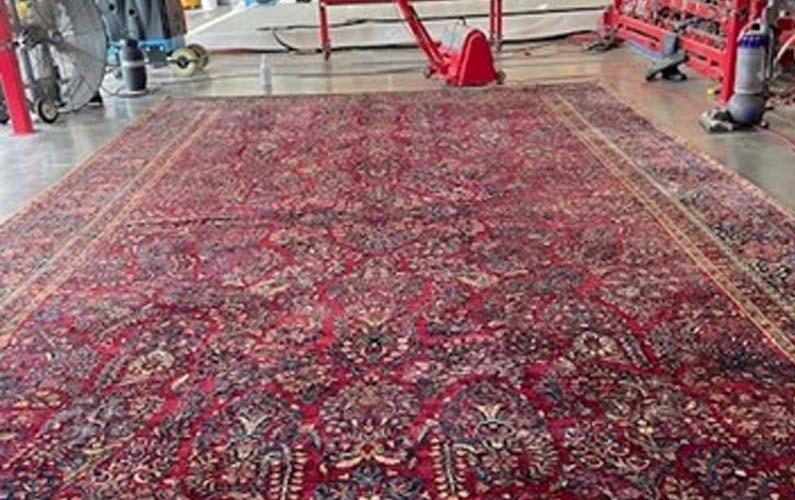
A rug does not need to be falling apart to need attention. A loose fringe, a curled corner, a small hole, or a thinning area can quickly grow into more serious damage when the rug stays under daily foot traffic. Timely rug repair protects the structure beneath the surface, preserves the rug’s appearance, and can help you keep a meaningful or valuable textile in your home for many more years.
For Omaha and Lincoln homeowners, the decision is rarely just about whether a rug can be fixed. It is about whether the repair makes sense for the rug, the damage, and the way your household uses the space. A well-made wool rug, handmade rug, heirloom piece, or favorite room-size rug often deserves professional evaluation. A low-cost machine-made rug with extensive backing failure may not. The right answer depends on an honest look at the condition and the rug’s value to you.
What Professional Rug Repair Can Address
Area rugs are built differently from wall-to-wall carpet. Their fibers, foundations, edges, dyes, and pile can require highly specific care. Repair work should address the underlying construction, not simply cover up visible damage.
Common repairs include reattaching or rebuilding fringe, securing unraveling edges, restoring torn areas, repairing holes, correcting damage from pets, and addressing worn sections before the foundation is exposed. In some cases, a rug may also need color correction after a spill, sun fading, or an unsuccessful cleaning attempt. Moth damage can require particular attention because larvae may eat through wool fibers in quiet, protected areas such as under furniture or along the rug’s edge.
Fringe deserves special mention. On many handmade rugs, fringe is not an accessory sewn onto the end. It is part of the rug’s foundation. When it becomes loose or worn away, the rug can begin to unravel from the ends. Securing it early is usually simpler and less costly than waiting until rows of knots have loosened.
Likewise, a lifted or frayed edge is more than a cosmetic concern. Binding and serging hold the rug together at its perimeter. Once that protection breaks down, vacuuming, shoes, and furniture movement can pull at the fibers and enlarge the problem.
Signs Your Rug Should Be Evaluated Soon
The best time to arrange a repair is before the damage becomes obvious across the room. Turn the rug over occasionally, especially if it sits in a busy hallway, entry, dining area, or family room. The back can reveal thinning, breaks in the foundation, and previous repairs that are starting to fail.
Look for corners that curl upward, fringe that is becoming uneven or detached, edges that feel rough or loose, and areas where the pile has worn down to reveal white or colored foundation threads. Pet chewing, scratching, and urine accidents also deserve prompt attention. Urine can affect dyes and fibers, while repeated moisture may weaken portions of the rug if it is not properly washed and dried.
A musty smell, powdery debris beneath the rug, or small bare patches can point to moth activity. Moths are attracted to natural animal fibers such as wool, silk, and hair. They are not drawn to a clean, regularly used rug as readily as one left undisturbed in storage or beneath furniture, but damage can still happen. Professional inspection and treatment can help stop an active problem and protect the rest of the rug.
Why Cleaning Often Comes Before Repair
Repairing a dirty rug can lock soil, oils, allergens, and odor into the textile. For that reason, professional washing is often the first step in a restoration plan. A facility-based washing process allows the rug to be inspected closely, treated for stains or pet odor when appropriate, cleaned according to its fiber type, and dried thoroughly before repair work begins.
This matters because dirt is abrasive. Fine grit settles deep into a rug and acts like sandpaper against fibers as people walk across it. Removing embedded soil can make the true condition of the pile and foundation easier to see. It also gives repair materials a cleaner, more stable surface to work with.
Not every rug needs a full restoration package. Some only need an edge secured or a fringe repair. Others need washing, odor treatment, repair, and a quality pad to prevent future strain. An experienced rug specialist should explain what is necessary, what is optional, and what results are realistic before work begins.
Repair or Replacement: How to Make the Call
A professional repair is often worth considering when the rug is handmade, antique, made from quality wool or silk, difficult to replace, or emotionally important to your family. It can also make practical sense for a newer rug that fits your room well and has limited, isolated damage.
Replacement may be the better choice when a machine-made rug has severe dry rot, broad backing deterioration, widespread staining, or repair costs that exceed what the rug means to you. That is not a failure. It is simply a useful decision based on the rug’s construction and condition.
The value of a repair is not measured only by resale value. A rug may be a wedding gift, an inherited piece, or the finishing element that makes a room feel like home. A careful repair can preserve that connection while also preventing a trip hazard and protecting the flooring underneath.
The Risk of Quick Fixes at Home
It is tempting to trim loose fringe, glue down an edge, or stitch a tear with whatever thread is available. These fixes can create bigger problems. Household adhesives may stiffen fibers, discolor the rug, or leave residue that complicates future cleaning. Improper stitching can pull the foundation out of alignment or place stress on neighboring knots.
Avoid cutting fringe close to the rug without knowing how it is constructed. If the fringe is part of the foundation, cutting it can speed up unraveling. Avoid aggressively brushing a damaged area as well, particularly on delicate wool, silk, viscose, or antique rugs.
If a spill, pet accident, or tear has just occurred, blot moisture gently with clean white towels and keep the area from being walked on. Do not scrub. Then arrange an evaluation before the damage spreads. Fast action can make a meaningful difference, especially with dye migration, pet urine, and fresh edge damage.
Protecting a Repaired Rug From Future Wear
A repair works best when the rug has the right support afterward. A properly sized rug pad helps cushion impact, reduce slipping, and limit friction between the rug and the floor. It can also prevent corners from creeping and reduce stress on edges in high-traffic areas.
Rotate rugs periodically so one section does not receive all the sunlight and foot traffic. Use caution when moving furniture across the surface, and place protective cups under heavy furniture legs when appropriate. Vacuum regularly, but skip aggressive beater bars on delicate rugs, fringe, and repaired sections. For homes with pets, prompt odor treatment and regular professional washing help prevent small accidents from becoming long-term fiber or dye issues.
Storage deserves the same care. Clean rugs before storing them, make sure they are completely dry, roll rather than fold when possible, and use protective storage methods that discourage moth activity. A rug put away with food particles, pet odor, or moisture is much more vulnerable than one prepared correctly.
Get a Clear Plan for Your Rug
Good restoration work is not about making promises a rug cannot keep. It is about understanding its fibers, construction, history, and condition, then recommending the care that protects it best. Omaha’s Rug Cleaning and Restoration brings more than 20 years of specialized experience to washing, repair, moth treatment, odor removal, and preservation for rugs throughout Omaha, Lincoln, and nearby communities.
If you notice a loose edge, fading fringe, pet damage, or a worn spot that concerns you, do not wait for it to become a larger loss. A professional assessment can give you a clear path forward and help your rug continue doing what it was chosen to do: bring comfort, beauty, and character to your home.