A rug can look perfectly clean and still make a room feel unpleasant. Pet accidents, tracked-in moisture, food spills, and years of everyday use can leave odor deep in the fibers, backing, and padding. The most effective rug odor solutions do more than cover the smell for an afternoon – they identify where the odor is living and remove the material causing it.
That distinction matters, especially for valuable area rugs. A spray deodorizer may make a room smell fresh temporarily, but it cannot reach contamination that has dried beneath the rug’s surface. In some cases, adding water or the wrong cleaner can reactivate an old odor, spread a stain, or damage delicate fibers. The right approach depends on the odor source, the rug’s construction, and how far the issue has traveled.
Why a Rug Smells Even After You Clean It
Odor is usually a sign that something remains in the rug. Organic matter from pet urine, milk, food, or other spills can feed odor-causing bacteria. Moisture from a damp basement, a wet entryway, or improper drying can create mustiness and encourage mildew. Dirt, dander, and cooking residue can also build up gradually, leaving a rug with a stale smell that is hard to identify but easy to notice.
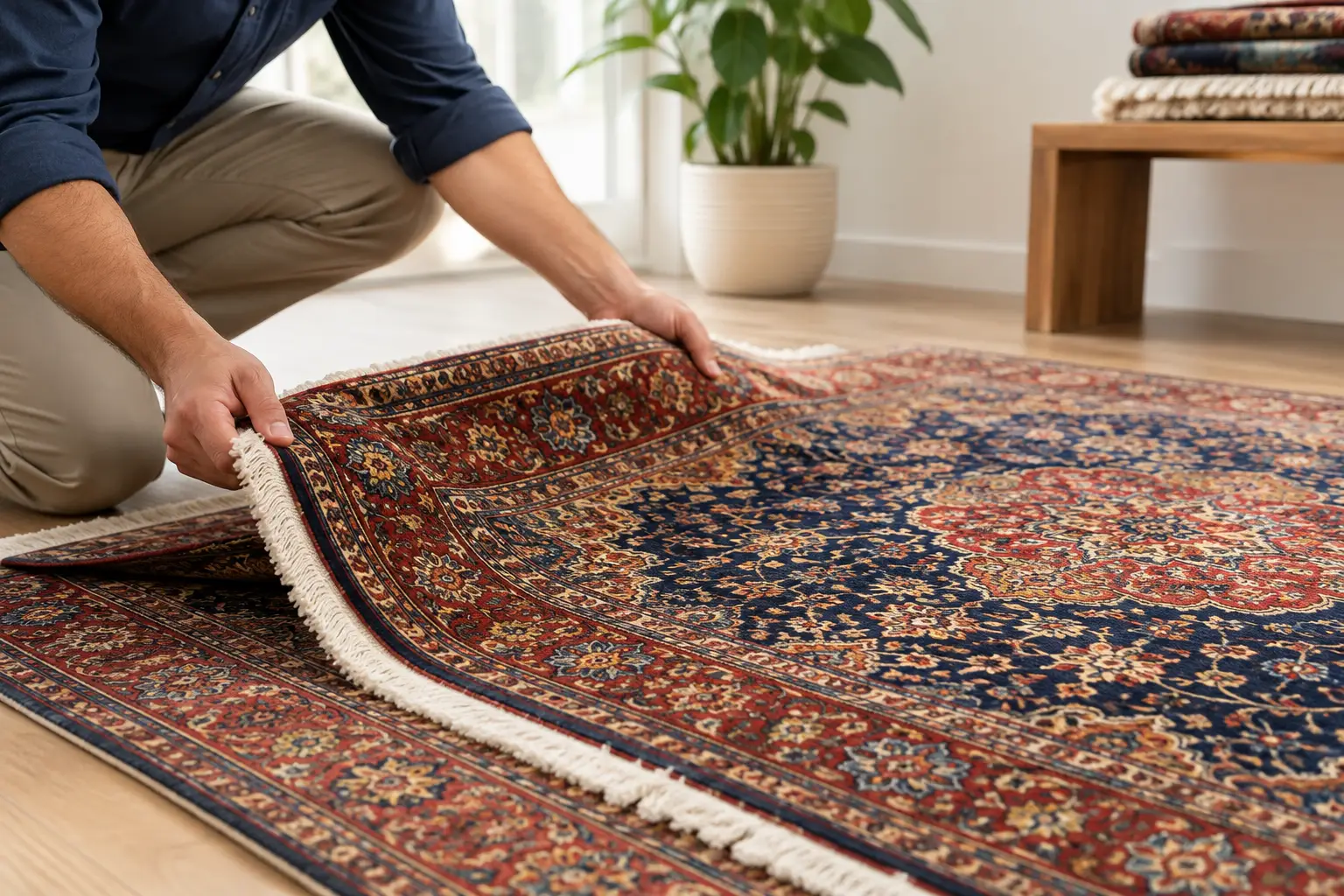
Area rugs are layered textiles. The face fibers may feel dry and clean while the backing, foundation yarns, fringe, or rug pad hold onto odor-producing residue. This is why surface cleaning often falls short. If a pet accident soaked through the rug and into the pad or subfloor, treating only the top of the rug will not fully solve the problem.
A helpful clue is when the odor becomes stronger on humid days or after the room is closed up. Moisture can reactivate residue that seemed gone, particularly urine salts. That is not a sign that your home is dirty. It is a sign that the original source needs a more complete treatment.
Rug Odor Solutions for Common Household Problems
Pet urine and recurring pet odors
Pet urine is one of the most difficult rug odors because it can travel well beyond the visible spot. As urine dries, crystals and residues remain in the fibers and foundation. When humidity rises, those residues can release odor again.
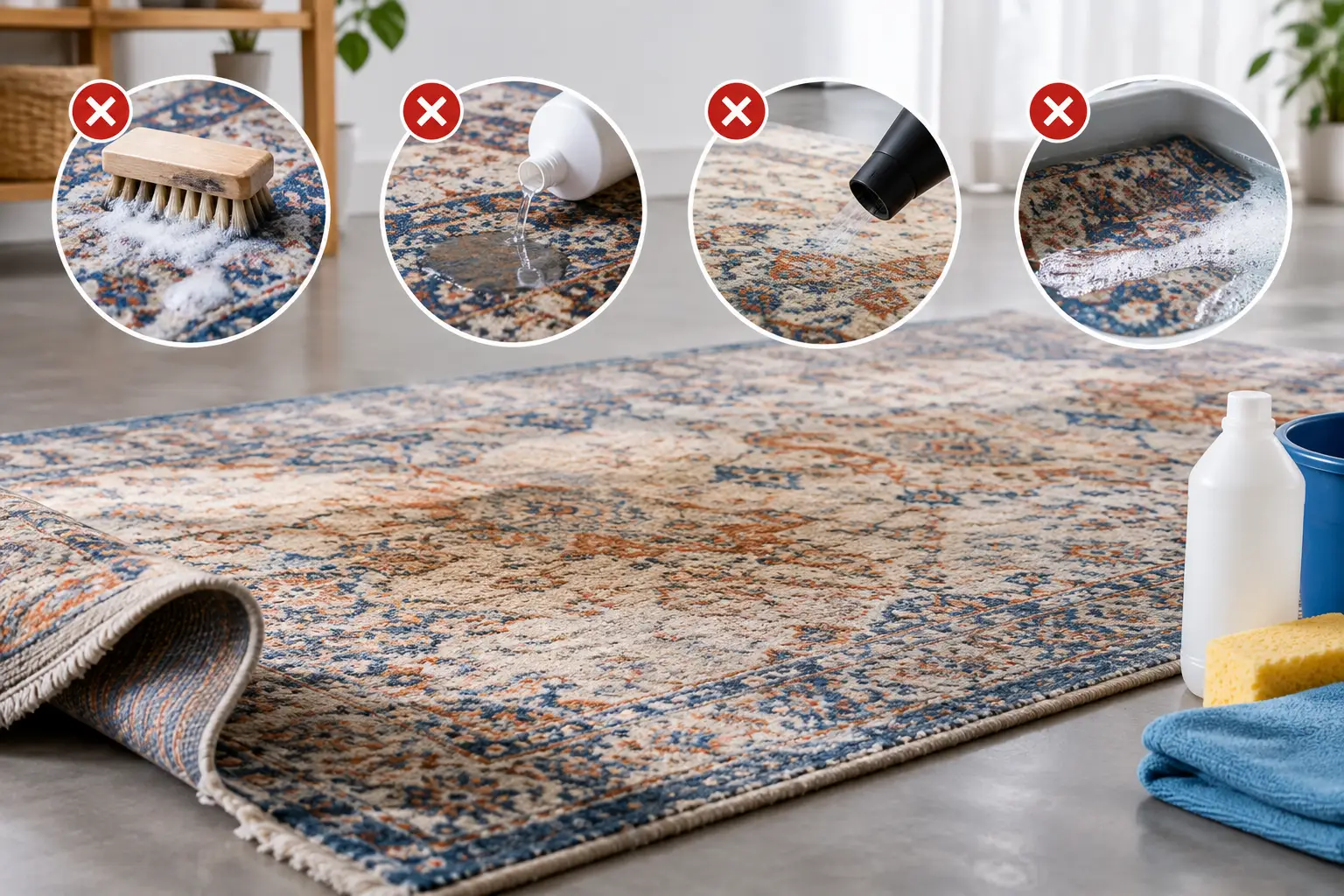
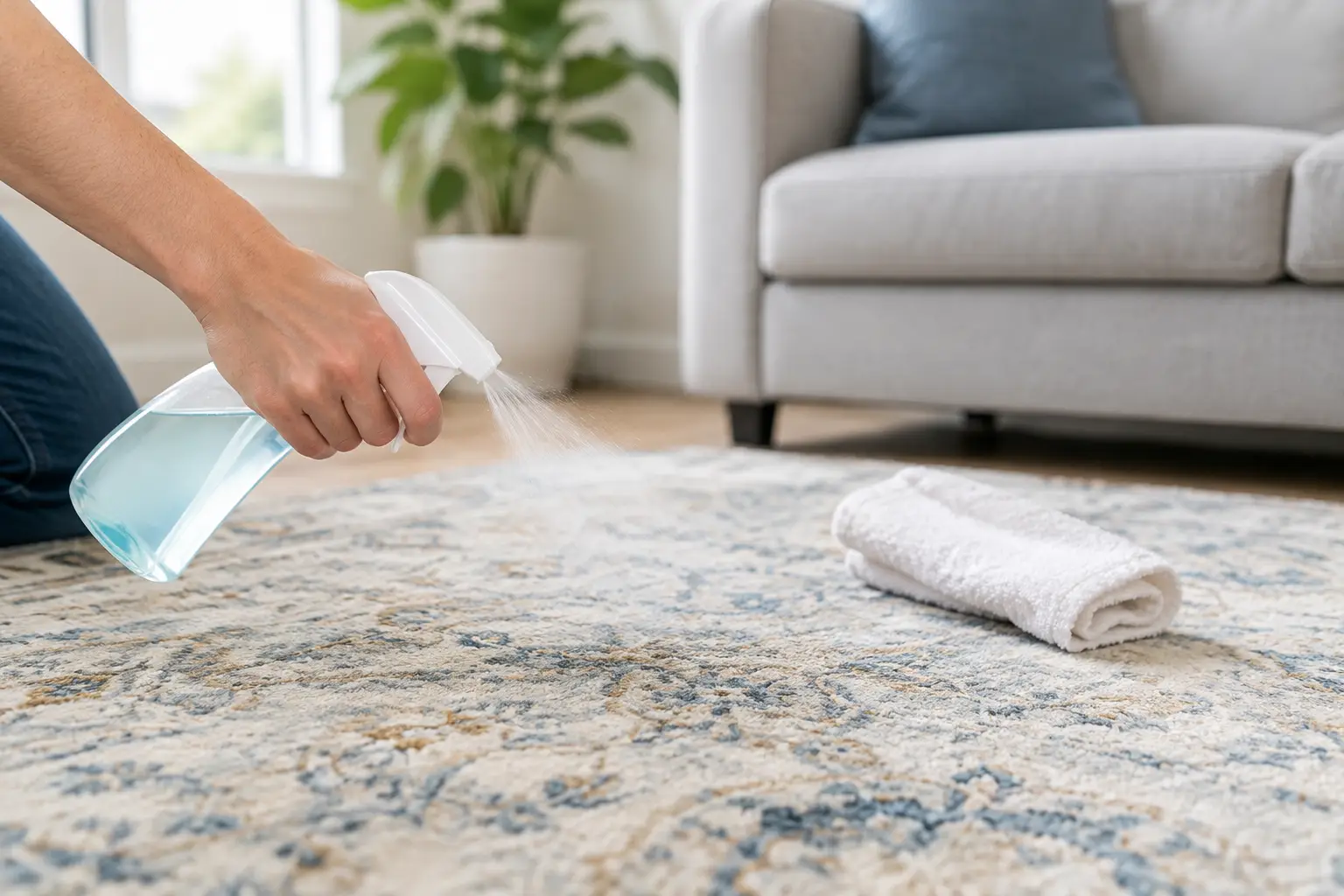
For a fresh accident, blot immediately with clean white towels. Press firmly to absorb moisture, but do not scrub. Scrubbing can push the contamination deeper, spread it outward, and distort pile fibers. Once you have blotted as much as possible, use a product made specifically for pet urine and follow its directions carefully. Test any cleaning solution in an inconspicuous area first, particularly on wool, silk, viscose, antique, hand-knotted, or richly dyed rugs.
Avoid saturating the rug with household cleaners or large amounts of water. A heavily wet rug may develop a new odor if it cannot dry quickly and thoroughly. If the odor returns, the accident was large, or a pet has used the same location more than once, professional washing is usually the wiser investment. The rug, pad, and sometimes the floor beneath it may all need attention.
Musty, damp, or basement odors
Musty odor often points to a moisture problem rather than a simple dirt problem. A rug stored in a garage, basement, or enclosed space can absorb humidity and stale air. If it has been wet from flooding, a plumbing leak, or snow tracked indoors, act quickly. Mold and mildew can damage fibers, weaken foundations, and create a persistent smell.
Move the rug to a dry, well-ventilated area if it is safe to do so. Do not fold or roll it while damp. A fan and air movement can help with a minor moisture event, but they do not remove soil or contamination already embedded in the rug. Never place a damp rug back on a pad or hard floor until it is fully dry.
For rugs with visible mold, a strong mildew smell, or flood exposure, avoid home experimentation. Professional assessment can determine whether the rug can be safely restored and what level of treatment it needs.
Food, drink, and sour spills
Milk, juice, coffee with cream, and food spills can smell sour as they break down. Even when the color of the stain fades, residue may remain. Blot the spill, use minimal moisture, and avoid heat. Heat can set some stains and may affect dyes or delicate fibers.
Vinegar is often suggested as a household odor remedy, but it is not right for every rug. Its acidity can be risky for some natural fibers and dyes, and it does not replace a controlled wash when residue has reached the rug’s foundation. Baking soda can help absorb light surface odor after a rug is fully dry, but it should be vacuumed thoroughly and should not be worked into damp pile. It is a short-term helper, not a cure for deep contamination.
When Home Remedies Can Do More Harm Than Good
Home care has a place for small, fresh spills, but valuable rugs deserve caution. Wool is naturally resilient, yet it can shrink, bleed, or felt if washed improperly. Silk, viscose, cotton foundations, handwoven rugs, and older rugs can be even more sensitive. Harsh spot removers, bleach, steam, and over-the-counter carpet shampoos may cause color loss, browning, texture changes, or sticky residue that attracts more soil.
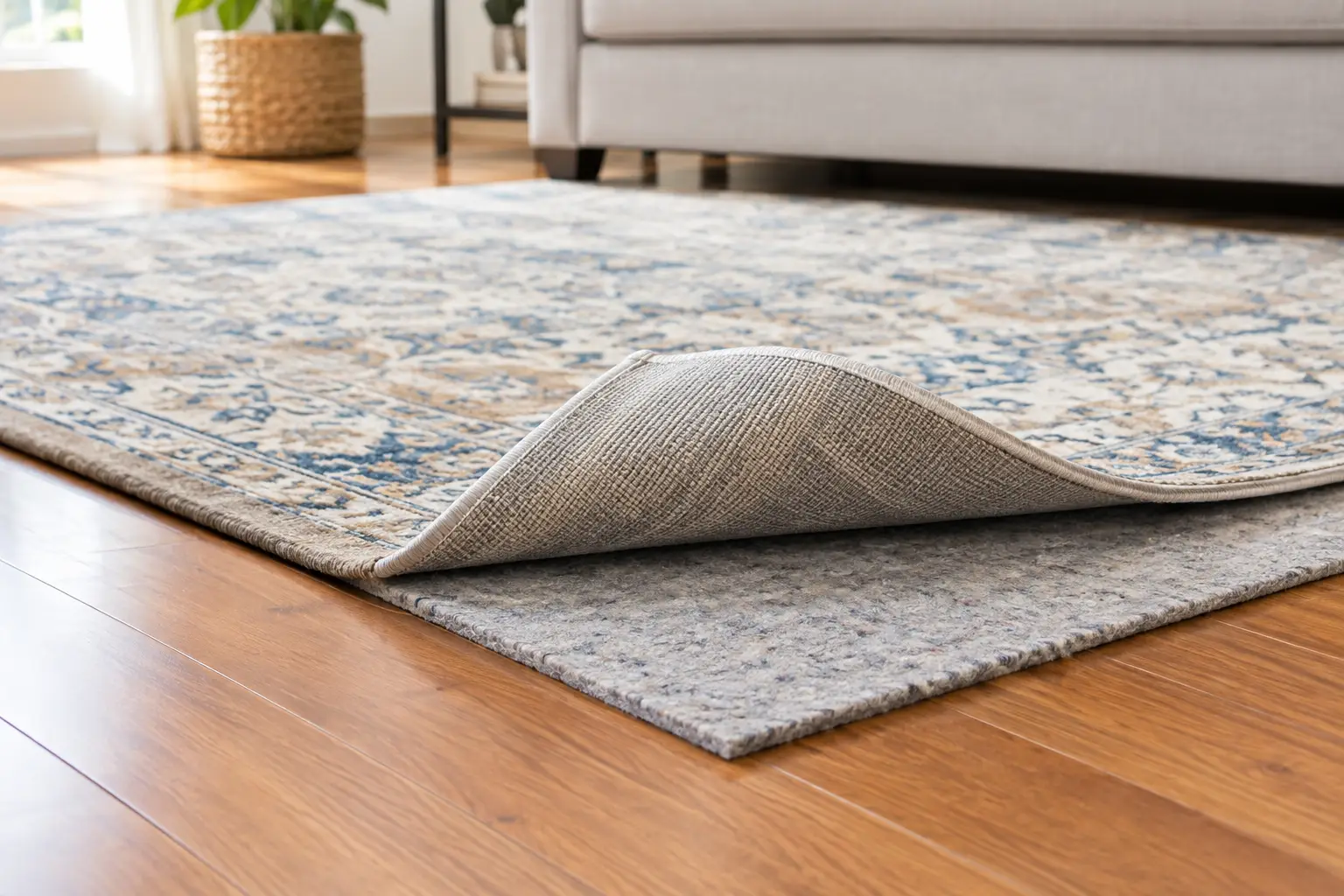
Another concern is the rug pad. A worn, absorbent, or previously contaminated pad can hold odor long after the rug has been cleaned. In some cases, replacing the pad is part of a lasting solution. A quality custom-cut rug pad also improves airflow, helps protect floors, reduces slipping, and cushions the rug against wear.
If you are unsure whether a product is safe, stop before applying it. Taking a photo of the spot and noting what caused it can help a rug-care specialist recommend the next step without unnecessary treatment.
How Professional Rug Washing Removes Odor
True odor removal is not the same as deodorizing. Professional area rug care begins with identifying the rug’s fiber type, construction, dyes, condition, and odor source. The rug may need dry soil removal before washing, targeted treatment for urine or stains, a controlled wash suited to its materials, careful rinsing, and complete drying.
Facility-based rug washing is especially useful because it allows the entire rug to be treated rather than only the surface. This helps remove embedded soil, allergens, residues, and odor-causing material from the fibers and foundation. For pet odor, specialized treatments can address contamination more thoroughly than a topical spray.
At Omaha’s Rug Cleaning and Restoration, rugs are evaluated individually because a machine-made synthetic rug, a family heirloom, and a hand-knotted wool rug should not receive the same process. Sometimes a full wash is the right answer. Other times, a focused treatment, pad replacement, repair, or color correction may be needed. The goal is to preserve the rug while doing only the work it truly requires.
Preventing Odor From Returning
The best prevention is regular care before odor becomes deeply established. Vacuum rugs regularly, including the area beneath them when possible. Address spills promptly, keep wet shoes and pet paws off rugs during Nebraska’s slushy seasons, and make sure rugs are completely dry after any cleaning. Rotate rugs periodically so wear and exposure are more even.
For pet households, use a waterproof barrier or appropriate pad under rugs in high-risk areas, and have recurring accident zones professionally addressed sooner rather than later. If you are storing a rug, have it cleaned first, make sure it is fully dry, and store it in a clean, climate-controlled location rather than a damp basement or garage.
A rug that smells off is asking for attention, not replacement. With the right diagnosis and careful treatment, many rugs can return to the fresh, comfortable part of your home they were meant to be. If an odor keeps coming back, request a free estimate and let an experienced rug specialist help protect the investment under your feet.