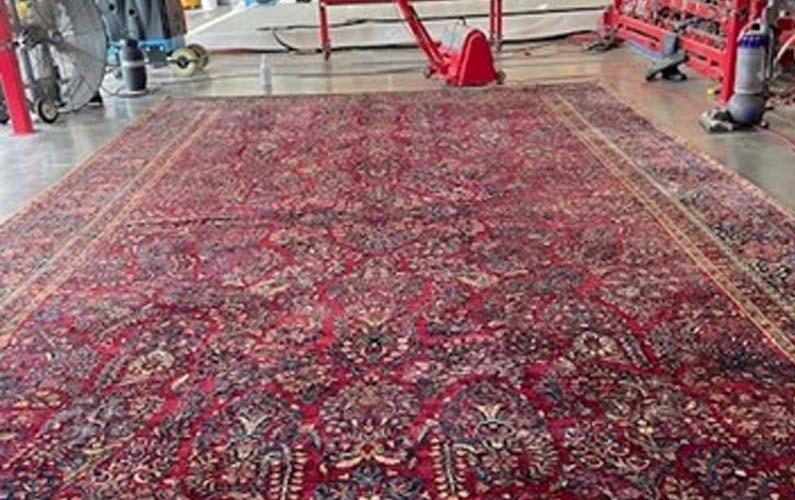
A rug can look clean on the surface while holding pounds of dry soil, pet residue, and fine grit deep in its foundation. That is why rug washing vs steam cleaning is more than a choice between two cleaning methods. It is a decision about how thoroughly your area rug is cleaned and how well its fibers, dyes, fringe, and backing are protected.
Rug Washing vs Steam Cleaning: The Real Difference
Steam cleaning, often called hot-water extraction, is commonly used for installed carpet. A technician applies a cleaning solution, rinses with hot water, and extracts moisture from the surface. It can refresh a lightly soiled synthetic rug when done carefully, but it is not designed to remove every type of soil from deep within an area rug.
Professional rug washing is a more complete, rug-specific process. The rug is evaluated for fiber type, construction, dye stability, existing wear, and problem areas before cleaning begins. Dry soil is removed, stains and odors are treated as needed, and the rug is washed and rinsed in a controlled facility setting. Proper drying is just as important as washing because moisture left in a rug can create odor, browning, dye movement, or damage to natural fibers.
The biggest difference is access. A facility-based wash allows trained rug cleaners to work on both the face and back of the rug, where dirt, allergens, and pet contamination can settle. Steam cleaning a rug in your home usually treats the top surface only.
Why Area Rugs Need a Different Approach Than Carpet
Wall-to-wall carpet stays attached to the floor, so cleaning methods must work around the room and the carpet backing. Area rugs are portable textiles. They may be hand-knotted wool, delicate silk, cotton flatweave, viscose, jute, machine-made synthetic, or a blend of several materials. Each one responds differently to moisture, agitation, heat, and cleaning products.
A wool rug, for example, benefits from cleaning solutions that respect its natural fibers and dyes. Aggressive heat or high-alkaline products can leave wool feeling harsh, cause color bleeding, or weaken fibers over time. A viscose rug may look soft and luxurious but can be especially sensitive to water and agitation. A handmade rug with cotton fringe needs different handling than a polypropylene outdoor-style rug.
This is where a general carpet-cleaning approach can fall short. The issue is not that hot-water extraction is always harmful. The issue is that a cleaner must first know what the rug is made of, how it was constructed, what soils are present, and whether the rug can safely be cleaned in place. Treating every rug like carpet can turn a manageable cleaning need into a restoration issue.
What Professional Rug Washing Removes
Vacuuming is useful for surface maintenance, but it cannot fully remove embedded dry soil. Over time, sand, grit, and tracked-in debris settle down through the pile and collect against the rug’s foundation. Every step across that grit creates friction, gradually wearing fibers from the inside out.
A proper wash begins with dry-soil removal because water alone does not solve a dry-soil problem. Once loose debris has been addressed, technicians can target spills, traffic-lane soil, food stains, and dullness with methods suited to the rug. The washing and rinse process then helps flush suspended soil away rather than simply moving it closer to the backing.
Pet accidents require particular care. Surface steam cleaning may improve the appearance of a urine spot, but it may not reach contamination that has moved through the rug and into the backing or pad. Odor can return on humid days because urine salts remain in the fibers. Professional odor treatment focuses on the source, not a fragrance that temporarily covers it.
When Steam Cleaning May Be the Better Fit
There are situations where in-home hot-water extraction is reasonable. A newer, lightly soiled synthetic rug with no odor concerns, no dye instability, and no delicate fringe may only need a surface refresh. This can be especially true for inexpensive rugs that are nearing the end of their useful life or are used in low-risk areas.
Even then, drying conditions matter. Nebraska weather can affect how quickly a rug dries indoors, particularly during humid stretches or when a rug sits over a pad. A rug that stays damp too long can develop a musty smell, transfer color, or cause concern for the floor underneath.
Steam cleaning is generally less appropriate for rugs with pet urine, heavy soil, water damage, unknown fibers, antique construction, unstable colors, or meaningful sentimental or financial value. If you are unsure, an evaluation before cleaning is the safer choice.
The Risks of Cleaning a Rug at Home
Rental machines and do-it-yourself products can be tempting after a spill. For a fresh, small spot, blotting with a clean white towel and using minimal moisture can help prevent a stain from spreading. Scrubbing, soaking, and applying multiple household cleaners usually make the situation worse.
Overwetting is one of the most common problems. Moisture can travel beyond the visible stain, reach the backing, and settle beneath the rug. Harsh spot treatments may fade color or leave a sticky residue that attracts more dirt. Some products can also cause wool fibers to yellow or feel stiff.
Fringe deserves special attention. Fringe is often part of a rug’s foundation, not a decorative add-on. It should not be aggressively scrubbed, bleached, or pulled by a machine. If fringe is damaged, it may need specialized repair rather than a quick trim.
How a Facility-Based Rug Wash Protects Your Investment
A professional rug wash is not one fixed recipe. It starts with inspection and testing. Cleaners look for colorfastness, weak areas, prior repairs, stains, odor sources, and construction details that affect the cleaning plan. The goal is to do the work your rug needs, not add unnecessary treatment.
After dusting and soil removal, appropriate solutions are used for the rug’s fiber and condition. Some rugs need a full wash; others need careful hand cleaning, specialized stain work, or controlled low-moisture treatment. Thorough rinsing helps remove cleaning residue, while proper drying restores the rug without prolonged dampness.
This process can also reveal needs beyond cleaning. A worn edge, loose binding, moth activity, fading, or an inadequate rug pad may be easier to address before the damage spreads. Omaha’s Rug Cleaning and Restoration provides cleaning, odor treatment, repair, color correction, moth treatment, and custom-cut padding because long-term rug care often involves more than removing dirt.
Choosing the Right Cleaning Method for Your Rug
Start with the rug’s material, age, condition, and use. A synthetic entry rug may have different needs than a handwoven wool rug passed down through a family. Consider whether there are pets, recurring odors, visible stains, allergies, heavy traffic, or concerns about the flooring beneath it.
If your rug is valuable, handmade, antique, heavily soiled, or affected by pet accidents, facility-based washing is usually the more protective option. Ask whether the cleaner inspects rugs individually, removes dry soil before washing, treats both sides when needed, and has a controlled drying process. Those details tell you far more than the name of the machine being used.
For homeowners in Omaha, Lincoln, and nearby communities, pickup and delivery can make professional rug care simple. You can also bring a rug in for an evaluation and receive clear guidance on the treatment that fits its condition.
A well-cared-for rug adds comfort, color, and character to a home. Before choosing the fastest cleaning method, give it the level of care its fibers and history deserve. Your clean rugs are waiting.