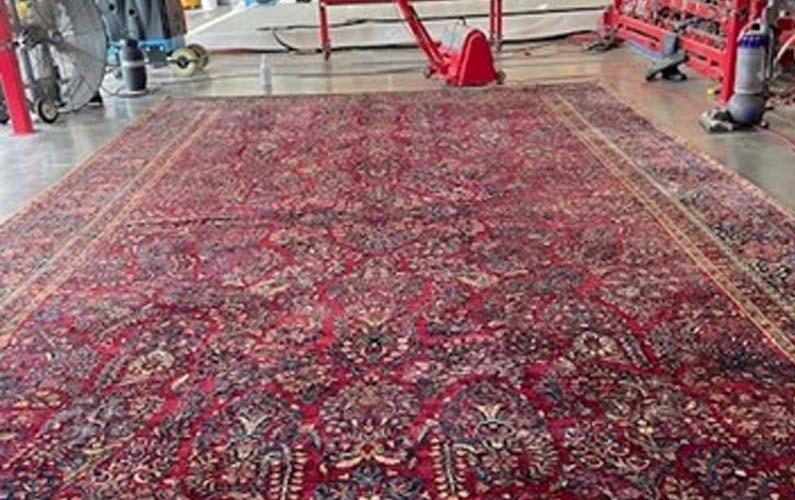
A favorite area rug absorbs more of daily life than most homeowners realize. It catches soil from shoes, pet dander, cooking oils, spilled drinks, and the fine Nebraska dust that settles deep into fibers. Professional rug cleaning is not simply about making a rug look brighter. Done correctly, it removes damaging contaminants while protecting the color, texture, structure, and value of a textile you chose for your home.
A rug may look fairly clean on the surface and still hold pounds of dry soil beneath the pile. That grit acts like sandpaper as people walk across it, slowly wearing down fibers and dulling the design. For handmade, antique, wool, silk, or specialty rugs, the wrong cleaning method can create a second problem – color bleeding, shrinkage, fringe damage, or a stiff, crunchy feel.
Rug Cleaning Is Different From Carpet Cleaning
Wall-to-wall carpet is installed and generally made to withstand a standardized cleaning process. Area rugs vary widely. They may be machine-made or hand-knotted, woven from wool, cotton, silk, viscose, polypropylene, jute, or a blend of fibers. Their dyes, backing materials, fringe, construction, and prior repairs all affect how they should be cleaned.
That is why a true rug washing process begins with identification and inspection. A specialist looks at the fiber type, construction, color stability, fringe condition, stains, odor concerns, and areas of wear before choosing a cleaning approach. The goal is not to use the strongest possible product. The goal is to use the right treatment for that specific rug.
A general carpet-cleaning method may improve a rug’s appearance temporarily, but it often cannot flush contaminants from deep inside the foundation. It can also leave behind residues or moisture that contribute to rapid resoiling, odor, or color issues. Facility-based washing gives technicians the space and equipment to dust, wash, rinse, dry, and groom a rug thoroughly.
What Happens During Professional Rug Washing
The exact process depends on the rug, but careful cleaning follows a logical sequence. First comes a detailed inspection. This is when a technician identifies weak edges, unstable dyes, existing damage, and stains that may need specialized attention. It is also the right time to discuss expectations. Some permanent stains, sun fading, and worn areas cannot be erased, but expert care can often improve the overall appearance and help prevent further deterioration.
Dry soil removal comes next. This step matters because soil embedded in a rug cannot be washed away effectively until it has been loosened and removed. Rugs are then treated for spots, traffic areas, pet contamination, or odors as needed. The washing method is selected for the rug’s materials and condition, followed by thorough rinsing to remove cleaning solutions and suspended soil.
Controlled drying is equally important. A rug left damp too long can develop musty odors, dye migration, or problems with the backing and fibers. Once dry, the rug is groomed, inspected again, and prepared for return. When restoration work is needed, repairs to fringe, edges, holes, or weakened areas are best handled before damage spreads.
When Your Rug Is Asking for Help
Visible stains are an obvious reason to schedule service, but they are not the only reason. Many rugs need cleaning before they look noticeably dirty. In a busy home with children, pets, or frequent guests, regular professional care helps reduce the soil load that causes gradual fiber wear.
Watch for a dull or gray appearance, flattened pile, lingering odors, increased allergy symptoms, or a rug that feels gritty underfoot. Pet urine deserves prompt attention even if the spot seems to disappear. Urine can travel into the rug’s foundation and sometimes into the pad or floor beneath it. Surface treatment alone may mask the smell without addressing the source.
If you are preparing a rug for storage, cleaning it first is a practical form of investment protection. Food particles, body oils, and pet-related residue can attract moths and other textile pests. Proper washing, drying, and storage preparation help protect natural fibers while the rug is put away.
Pet Odors Need More Than a Fragrance
Air fresheners and store-bought sprays may cover a pet odor for a few days, but they do not remove urine salts and bacteria from the fibers and foundation. In humid weather, those residues can reactivate, bringing the odor back just when you thought it was gone.
Effective odor treatment depends on how deeply contamination has traveled. A small, recent accident may need targeted treatment. Repeated pet accidents often require a more complete wash and odor-removal process. In severe cases, the rug pad and even the floor beneath the rug should be checked, because treating only the rug may not solve the entire problem.
Avoid soaking a rug at home or applying multiple chemical products in an effort to fix an odor. Mixing cleaners can set stains, alter dyes, or make professional treatment more difficult. Blot fresh accidents with clean white towels, avoid scrubbing, and contact a rug specialist for guidance.
Protecting Color, Fringe, and Fragile Fibers
Color is one of a rug’s most valuable features, especially in handmade and older pieces. Some dyes are naturally less stable than others, and color transfer can happen when a rug is over-wetted or cleaned with the wrong chemistry. Testing and controlled washing help reduce that risk.
Fringe requires similar care. It is often cotton, even when the rug pile is wool, and it is structurally connected to the rug rather than a decorative add-on. Aggressive brushing, bleaching, or pulling can damage it. Professional fringe repair can stabilize worn or unraveling ends before a small issue becomes a larger restoration project.
Silk, viscose, jute, and certain tufted rugs deserve extra caution. These materials can react poorly to excess moisture, high heat, harsh products, or heavy agitation. A good rule is simple: if a rug is valuable, sentimental, handmade, unusually delicate, or difficult to replace, do not assume a one-size-fits-all cleaning method is safe.
How Often Should You Schedule Rug Cleaning?
For most homes, professional washing every 12 to 24 months is a reasonable starting point. The better answer depends on where the rug lives and what it encounters. An entryway rug in an active household may need service more often than a low-traffic rug in a formal room.
Pet owners, families with young children, and households managing allergies may benefit from annual cleaning. Rugs exposed to heavy foot traffic, shoes, food, or frequent spills can need attention every six to 12 months. On the other hand, a lightly used rug may go longer between washings if it is vacuumed carefully and rotated periodically.
Vacuuming remains valuable between professional cleanings. Use suction without an aggressive beater bar on delicate rugs, especially those with fringe or loose fibers. Rotate rugs a few times a year to balance sun exposure and traffic patterns. A quality rug pad also helps reduce slipping, cushioning impact and supporting more even wear.
Repair and Protection Are Part of Long-Term Care
Cleaning reveals a rug’s real condition. Once the soil is gone, worn edges, loose fringe, small holes, or fading may be easier to see. Addressing these concerns early is usually more affordable than waiting until the foundation is exposed or an edge has unraveled across the width of the rug.
Protective treatments can be helpful for some rugs, particularly in dining rooms, family rooms, and other spill-prone areas. They are not a substitute for prompt cleanup or regular washing, and they are not appropriate for every fiber. Ask whether protection makes sense for your rug’s material, construction, and use.
At Omaha’s Rug Cleaning and Restoration, each rug is evaluated for the care it actually needs, from washing and pet odor treatment to fringe repair, moth treatment, color correction, and custom-cut padding. With more than 20 years of experience, the focus is on preserving the rug rather than applying a generic cleaning formula.
Your rug supports the everyday moments that make a house feel like home. Give it the same thoughtful care you would give any investment worth keeping, and let a trained rug specialist help it serve your family beautifully for years to come.