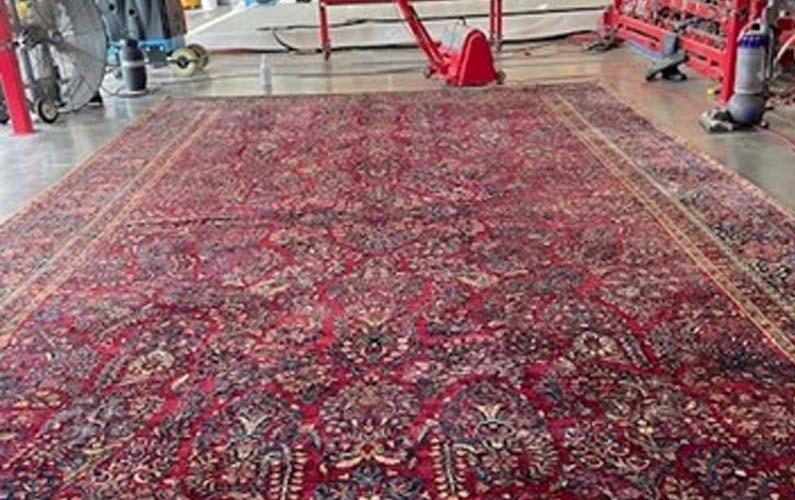
A leaking appliance, a backed-up drain, a wet basement, or a storm can turn water damaged rugs into a time-sensitive problem. The visible water is only part of the concern. Moisture can travel into the rug’s foundation, padding, fringe, and fibers, where it may cause odor, dye bleed, mildew, shrinkage, and damage to the flooring beneath it.
The right response depends on the source of the water, how long the rug has been wet, and what the rug is made of. A small machine-made rug dampened by clean water may be recoverable with careful drying. A handmade wool rug exposed to a sewer backup needs a much different level of care. Acting quickly protects both the rug and the investment it represents.
What to Do First With Water Damaged Rugs
Start by stopping the water source if it is safe to do so. Then move furniture off the rug and remove the rug from the wet area. If it is soaked, avoid dragging it across hardwood, laminate, or carpet. Wet rugs are heavy, and pulling them can stretch the foundation, tear fringe, or transfer moisture and dyes to nearby surfaces.
If you can safely lift the rug, place it in a clean, dry area with good airflow. Keep it flat when possible. Hanging a heavy wet rug over a railing or line can distort its shape, especially if it has a cotton foundation or delicate fringe.
For rugs affected by clean water, these immediate steps can limit damage:
- Blot surface water with clean, white towels. Press firmly, but do not scrub.
- Use a wet-dry vacuum to extract water if one is available and you know how to operate it safely.
- Remove the rug pad and dry it separately. Many pads need replacement after significant saturation.
- Run fans and a dehumidifier in the room to reduce humidity and speed drying.
- Take photos before cleaning or moving the rug if insurance documentation may be needed.
Do not use a household carpet shampooer, harsh spot cleaner, bleach, or high heat in an effort to speed up the process. These methods can set stains, cause colors to run, weaken fibers, or leave cleaning residue that attracts soil later.
The Water Source Changes the Recommendation
Not all water exposure carries the same risk. Clean water from a supply line or rainwater is generally the least concerning at first, though it can still create serious problems if a rug remains wet for more than a day or two.
Gray water, such as water from a washing machine, dishwasher, or toilet without solid waste, may contain detergents, oils, and contaminants. The rug should be professionally washed rather than simply dried. Drying alone does not remove what the water carried into the fibers.
Black water from a sewer backup, overflowing toilet with waste, or floodwater requires the most caution. It can contain bacteria and other contaminants that make handling and restoration more complicated. In some cases, safe restoration is possible through specialized washing and treatment. In others, the rug, pad, or both may not be worth saving. An experienced rug specialist can provide an honest assessment based on the rug’s construction, value, and exposure.
Why Drying the Surface Is Not Enough
A rug can feel dry on top while its interior remains damp. This is particularly common with wool rugs, thick shag rugs, hand-knotted rugs, and rugs resting on a dense pad. Moisture held in the backing or foundation creates the conditions for musty odors and microbial growth.
There is also a risk of dye migration. Many handmade and older rugs use dyes that can shift when exposed to excess moisture. A red border may bleed into a cream field, or dark colors may blur into adjacent patterns. Once dyes move, correction can be difficult, and timing matters. Professional washing and controlled drying give the best chance of stabilizing color before the damage becomes permanent.
Water can also affect the rug’s structure. Cotton foundations may shrink or become wavy. Wool can lose its shape if dried unevenly. Latex-backed rugs can deteriorate, leaving brittle residue or an odor that does not disappear with surface cleaning. These are reasons a dedicated rug-washing process is different from a standard in-home carpet cleaning appointment.
When a Rug Needs Professional Restoration
Call for professional help if the rug was submerged, smells musty, has visible color bleeding, feels stiff after drying, or was exposed to gray or black water. Valuable rugs also deserve a prompt evaluation even when the damage appears minor. Antique, handmade, silk, wool, viscose, and hand-tufted rugs all have different cleaning limits.
A facility-based rug care process allows the rug to be evaluated away from the home, where its fibers, dyes, backing, and condition can be examined closely. Depending on the rug and water source, service may include controlled dusting, full washing, odor treatment, stain treatment, color correction, fringe care, and carefully managed drying. The goal is not merely to make the rug look dry. It is to remove contaminants and preserve the rug’s structure, appearance, and usable life.
At Omaha’s Rug Cleaning and Restoration, rugs are treated as textiles with individual needs, not as wall-to-wall carpet cut into a smaller size. With more than 20 years of experience, the team can help homeowners determine what restoration work is appropriate and what is not.
Protect the Floor Under the Rug
Once the rug is removed, inspect the floor and the pad. On hardwood, wipe up standing water promptly and check for cupping, discoloration, or a lingering damp feel. On carpet, extract moisture and improve airflow beneath and around the affected area. On concrete, remember that the surface may look dry while moisture remains trapped under the pad.
A soaked rug pad is often a hidden source of odor. Foam, felt, and rubber pads absorb water differently, and some will not dry thoroughly enough to reuse. Replacing a compromised pad can be the practical choice, particularly after dirty water exposure. A properly selected new pad also helps protect the floor, reduce slipping, and support the rug after restoration.
Avoid These Common Mistakes
The instinct to clean immediately is understandable, but rushed DIY work can increase the loss. Avoid folding a wet rug into a pile, leaving it in a garage without airflow, or rolling it up for later. Each of those choices traps moisture where mold and odor can develop.
Do not put a wet rug in direct, intense sunlight for hours. Gentle airflow is helpful, but strong heat can shrink natural fibers, fade colors, and make dye problems worse. Similarly, do not use a hair dryer, space heater, or steam cleaner on a valuable rug. Controlled drying is slower than blasting heat, but it is far safer for the fibers and foundation.
If the rug has a pet odor history, water exposure can reactivate odors that seemed resolved. This is another reason a full wash and odor treatment may be more effective than spot treatment after a flood or leak.
A Faster Response Can Preserve More
The first 24 to 48 hours matter most. The sooner moisture and contamination are addressed, the better the chances of avoiding permanent odor, mildew, dye bleed, and foundation damage. Still, an older water-damaged rug is not automatically beyond help. Even rugs that have dried with an odor or visible staining may have restoration options.
If you are unsure whether your rug can be saved, keep it separated from dry textiles, avoid further home remedies, and arrange an assessment. A clear evaluation gives you practical next steps, whether that means washing and restoration, pad replacement, or a recommendation to avoid spending money on work the rug does not need.
Your rug has lived through family gatherings, pets, muddy Nebraska weather, and everyday life. Give it the careful response it deserves after water exposure – prompt action and expert care can make a meaningful difference.