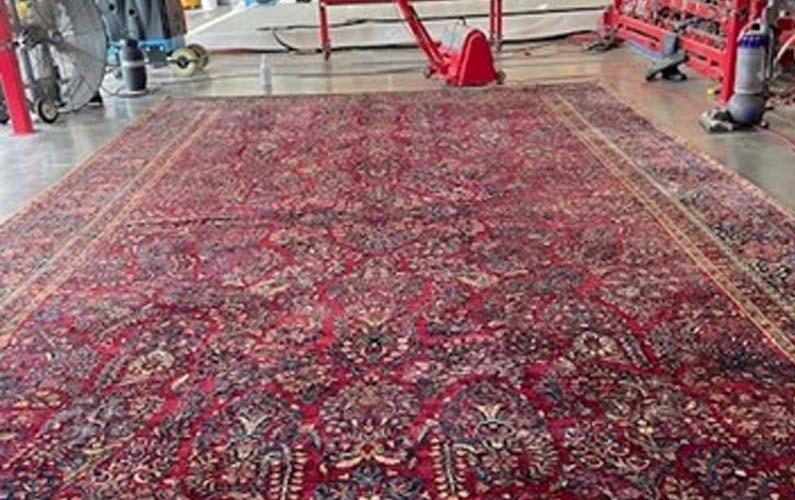
A house fire can leave an area rug looking untouched while smoke has already settled deep into its fibers, backing, fringe, and foundation. Proper fire smoke rug cleaning is not simply about making the rug smell better. It is a careful restoration process designed to remove dry soot, oily residue, and persistent odor without causing avoidable damage to the textile itself.
For Omaha and Lincoln homeowners, the first goal after a fire is understandably safety and recovery. Once the property has been cleared for entry, valuable rugs deserve prompt attention. The longer smoke residue remains in a rug, the more opportunity it has to bond with fibers, dull colors, create odor, and contribute to deterioration.
Why smoke damage is hard on area rugs
Smoke is more complicated than a surface-level smell. Depending on what burned, it can contain fine dry particles, greasy residue, acidic compounds, and chemical contaminants. Those particles may be nearly invisible in a dark rug or heavily patterned design, but they can still settle below the pile and into the rug’s foundation.
Soot is especially concerning because it is abrasive. When a smoke-damaged rug is walked on, rolled up, shaken outside, or scrubbed with a household cleaner, the particles can grind against the fibers. On wool, silk, viscose, cotton, and handmade rugs, that friction can lead to fuzzing, color loss, or permanent texture changes.
Odor is another challenge. Smoke molecules can penetrate much farther than the visible residue. A deodorizing spray may temporarily cover the smell, but it does not remove the source. If odor remains in the backing, fringe, or foundation yarns, it can return when the home becomes warm or humid.
What to do before fire smoke rug cleaning begins
If a rug has been exposed to smoke, handle it as little as possible until it can be evaluated. Avoid vacuuming with a standard household vacuum, beating the rug, applying store-bought spot removers, or using steam. These well-intended steps can push soot farther into the fibers or set oily residue.
There are a few practical actions that can help protect the rug and support an insurance claim:
- Take clear photos of the front, back, fringe, labels, and any visible residue before cleaning begins.
- Keep the rug dry and away from damp basements, garages, or areas with ongoing water damage.
- Prevent foot traffic on the rug, especially if ash or soot is visible.
- Keep it separate from unaffected textiles when possible so odor and residue do not transfer.
If the rug was also exposed to fire-suppression water, it needs additional attention. Moisture can create a second set of problems, including dye migration, mildew, browning, and weakened fibers. A professional assessment should consider both smoke exposure and water exposure before deciding on the right restoration plan.
Fire smoke rug cleaning requires more than carpet cleaning
Area rugs are constructed differently than installed carpet. Many have a woven foundation, hand-tied pile, natural-fiber fringe, latex or cotton backing, and dyes that react differently to moisture and cleaning solutions. That is why general carpet cleaning methods are not always appropriate for a smoke-damaged rug.
Professional fire smoke rug cleaning begins with identifying the rug’s fiber type, construction, condition, and color stability. A machine-made synthetic rug may tolerate a different cleaning approach than an antique Oriental rug, a handwoven wool rug, or a delicate viscose piece. The right process depends on the rug, not just the smoke damage.
The restoration process often starts with controlled dry soil and soot removal. Removing loose particles before washing is essential because soot can smear when it becomes wet. After that, technicians can address oily residues, smoke odor, and embedded contamination through specialized washing methods selected for the textile.
A true rug-washing process allows both sides of the rug to be cleaned. This matters because smoke residue does not stop at the face fibers. It can settle into the back, foundation, and fringe, where ordinary surface cleaning may leave it behind. Thorough rinsing and proper drying are equally important. A rug that is not dried correctly can develop odor, distortion, or dye-related issues after cleaning.
Can every smoke-damaged rug be restored?
Many rugs can be successfully cleaned and deodorized after smoke exposure, but restoration is not identical for every piece. The outcome depends on the severity of the fire, the materials that burned, the length of exposure, and the rug’s age and fiber content.
A rug in a nearby room with light smoke odor may need extensive cleaning but have no permanent damage. A rug that was in the fire room, covered in soot, exposed to melted synthetic materials, or saturated with contaminated water may require more involved restoration. In some cases, heat damage may have melted synthetic fibers, hardened backing materials, weakened wool, or caused permanent color changes that cleaning alone cannot reverse.
That is why an honest inspection matters. A qualified rug specialist should explain what can be cleaned, what may improve but not return fully to pre-loss condition, and whether repair or color correction is worth considering. For an inexpensive rug with severe damage, replacement may be the more practical choice. For a handmade, antique, sentimental, or high-value rug, careful restoration can be an important investment-preservation decision.
Odor removal should treat the source
Smoke odor can be stubborn because it is not confined to the rug’s top surface. Effective odor treatment requires removing the residues carrying that odor, followed by appropriate deodorization and controlled drying. Simply adding fragrance is not restoration.
Homeowners may notice that a rug smells stronger on humid days or after being placed in a warm room. That is often a sign that smoke-related residue remains in the rug. A professional cleaning evaluation can determine whether the odor is contained within the pile or has reached the foundation and backing.
For pet owners, there can be an added complication. Existing pet urine odor may become more noticeable after fire or water exposure. Both problems need to be addressed as separate sources. Treating only the smoke smell may leave pet-related odor behind, while treating only pet odor will not remove soot or smoke residue.
Protecting valuable rugs during the claims process
If you are filing an insurance claim, documentation can make the process easier. Photograph the rug before it is moved or cleaned, retain any receipts or appraisal records, and request written information about the condition and recommended care. For collectible or handmade rugs, documentation of the rug’s construction, materials, and restoration needs can be especially useful.
Do not assume a rug has no value because it does not have a visible label. Handmade rugs, inherited pieces, and older wool rugs may be more valuable than they appear. Conversely, a rug’s sentimental value may be the strongest reason to pursue restoration. A thoughtful specialist can help you understand the condition of the textile without pressuring you into services it does not need.
At Omaha’s Rug Cleaning and Restoration, rugs are evaluated as individual textiles, not treated as interchangeable floor coverings. With more than 20 years of specialized experience, the focus is on the cleaning and restoration approach that best protects the rug’s fibers, colors, and long-term condition.
When to schedule professional help
The best time to arrange evaluation is as soon as the property is safe and access is permitted. Early action can reduce the time soot and odor remain in the fibers, while also helping prevent accidental damage from handling or storage. Pickup and delivery can be particularly helpful when a home is still undergoing fire restoration.
Even if a rug looks clean, do not rely on appearance alone. Smoke can settle deeply without leaving dramatic marks. A professional inspection can provide clarity, a realistic recommendation, and a free estimate before work begins.
Your rug may be part of what makes your house feel like home. When smoke disrupts that comfort, careful restoration can help preserve the piece you chose, inherited, or have enjoyed for years. Get started with an expert evaluation, and give your rug the thoughtful care its fibers and history deserve.