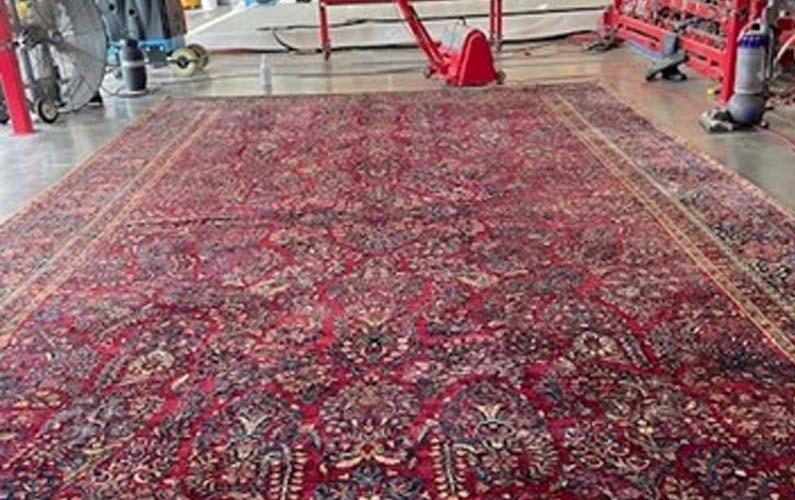
A rug can look perfectly clean and still make a room feel unpleasant. If you are asking, “why does my rug smell?” the answer is usually not on the surface. Odors settle deep into rug fibers, the foundation, and sometimes the pad beneath it. Vacuuming may remove loose soil, but it cannot always remove the source of the smell.
The good news is that most rug odors can be identified and treated. The right approach depends on what caused the problem, what your rug is made of, and how long the odor has been present. Acting early protects your home comfort and helps preserve a rug you value.
Why Does My Rug Smell After Vacuuming?
Vacuuming is an essential part of routine rug care, especially in busy homes with children, pets, and seasonal Nebraska weather. But it is not a full washing process. Rug fibers can hold fine dirt, oils, dander, moisture, and odor-causing bacteria beneath the surface pile.
A vacuum also cannot clean through the rug’s backing or reach contamination that has traveled into the rug pad or the floor below. In fact, vacuuming can occasionally make an odor more noticeable by stirring up dust and moving air through the fibers.
If the smell returns quickly after vacuuming, sprays, or light spot cleaning, the rug likely needs more than a surface treatment.
Common Reasons a Rug Develops an Odor
Pet urine and accidents
Pet urine is one of the most common causes of persistent rug odor. Even when a spot appears dry or has been cleaned, urine can remain in the fibers and wick into the rug foundation. As it dries, urine salts can crystallize. Humidity, warm temperatures, or fresh moisture can reactivate the odor days or even months later.
This is why a rug may smell stronger after rainy weather, after steam cleaning, or when the heat is running. Pet accidents can also penetrate the rug pad and subfloor, which means cleaning only the visible top surface may not solve the issue.
Moisture, mildew, and improper drying
A musty smell often points to moisture. This can happen after a spill, a wet pet, a basement flood, an overwatered plant, or an at-home cleaning attempt that did not dry fully. Rugs placed over concrete floors, particularly in lower-level rooms, can also be exposed to moisture from below.
Natural-fiber rugs such as wool, cotton, jute, and silk require special care when wet. Excess moisture can lead to mildew, color bleeding, browning, or damage to the backing. A damp rug should never be rolled up or placed back over a wet pad.
Food, drinks, and everyday household spills
Milk, coffee, wine, soup, grease, and other food spills can leave behind organic residue long after the visible stain fades. That residue becomes a food source for bacteria, which is often what creates the sour or stale smell.
Store-bought spot cleaners can sometimes compound the problem. If too much product is used or the cleaner is not fully rinsed out, it can leave a sticky residue that attracts more soil. The rug may then look dull, feel stiff, and develop an odor again sooner than expected.
Dirt, body oils, and allergens
Area rugs act as filters in the home. They collect dust, skin cells, pollen, outdoor soil, and body oils carried in on shoes, feet, and paws. Over time, that buildup can produce a general stale or dirty odor, particularly in entryways, hallways, family rooms, and homes with multiple pets.
This does not mean your home is unclean. It means your rug is doing its job. Regular professional washing removes the embedded material that vacuuming leaves behind and helps restore the rug’s comfort and appearance.
Smoke and cooking odors
Cigarette smoke, fireplace smoke, burnt food, and heavy cooking odors can cling to textile fibers. These odors tend to build gradually, so homeowners may not notice them until they leave the house and return or move the rug to another room.
Smoke odor may require a different treatment than pet urine or mildew. The rug’s fiber type, dyes, and construction all affect which cleaning solutions can be used safely.
How to Tell Where the Smell Is Coming From
Before treating the rug, check whether the odor is actually in the rug, the pad, or the floor beneath it. Carefully lift one corner and smell the underside of the rug and the pad. If the odor is noticeably stronger there, the problem has likely traveled beyond the rug’s face fibers.
Look for discoloration, tackiness, stiff areas, water marks, or a yellowish residue. In pet homes, an ultraviolet inspection can help identify old urine spots that are otherwise difficult to find. Keep in mind that not every glowing mark is urine, so professional assessment is useful before applying strong products.
A smell that is strongest at the rug’s edges can indicate spills or pet marking. A widespread stale odor may point to general soil buildup, while a musty odor concentrated underneath often suggests trapped moisture or an affected pad.
What You Can Safely Do at Home
For a fresh spill, blot promptly with clean white towels. Press down firmly and replace towels as they become damp. Avoid rubbing, which can push the spill deeper and damage the rug’s pile.
Use only a small amount of cool water when appropriate, then blot again. Do not soak the rug, particularly if it is wool, viscose, silk, antique, handmade, or has unstable colors. Household products such as bleach, ammonia, vinegar, and heavily scented deodorizing powders can cause discoloration, fiber damage, or residue buildup.
Baking soda may temporarily reduce a mild surface odor on some rugs, but it is not a complete solution for urine, mildew, or contamination in the backing. Fine powder can also settle deep into dense pile and be difficult to remove. If an odor has persisted through one or two careful attempts, it is usually time to stop experimenting.
When Professional Rug Washing Is the Better Choice
Professional washing is especially helpful when an odor keeps returning, when a pet accident has reached the rug backing, or when the rug has been exposed to floodwater or significant moisture. It is also the safer choice for valuable wool rugs, Oriental rugs, hand-knotted rugs, silk rugs, and family pieces with sentimental value.
A true rug-cleaning process is different from cleaning wall-to-wall carpet in place. Facility-based care allows the rug to be inspected, dusted, washed according to its fiber and construction, treated for odor when needed, thoroughly rinsed, and dried in a controlled environment. The goal is not to cover the odor with fragrance. It is to remove the contamination causing it whenever the rug’s condition allows.
For pet odor, the rug pad may need attention as well. In some cases, replacing a heavily affected pad is more effective and more economical than trying to deodorize it repeatedly. If urine has reached the floor, that surface should be assessed and cleaned before the freshly washed rug is returned.
At Omaha’s Rug Cleaning and Restoration, each rug is evaluated based on its materials, condition, and odor source. Some rugs need straightforward washing, while others need targeted pet-odor treatment, repair, or a new custom-cut pad. You should only pay for the work your rug truly needs.
Preventing Rug Odors From Returning
The best prevention starts with regular vacuuming and quick attention to spills. Rotate rugs periodically so traffic and sunlight are distributed more evenly. Use a quality rug pad to improve airflow, reduce wear, and help protect the floor beneath.
Pet owners may want to schedule professional washing sooner if accidents occur, even if the rug looks fine. Waiting allows urine residue to settle more deeply and increases the chance that odor reaches the pad or flooring.
If you are preparing a rug for storage, have it professionally cleaned and completely dried first. Storing a rug with soil, food residue, or moisture can create odor problems and attract moths or other textile pests.
A lingering rug smell is not something you have to live with or hide with candles and room spray. The sooner the source is identified, the more options you have to restore the rug, protect your flooring, and make your home feel welcoming again. Your clean rugs are waiting.