A rug can look reasonably clean on the surface while holding months of fine grit, pet residue, pollen, and spills deep in its foundation. That is why area rug cleaning Omaha homeowners choose should be more than a quick pass with carpet-cleaning equipment. A well-made rug is part of the comfort and character of your home, and in many cases, it is a meaningful investment worth preserving.
Whether your rug lives under a busy dining table, catches muddy paw prints by the door, or anchors a quiet living room, its fibers and construction determine the care it needs. The goal is not simply to make it look better for a few days. It is to remove embedded soil safely, address odor at its source, and help the rug continue serving your home for years to come.
Why Area Rugs Need a Different Kind of Cleaning
Wall-to-wall carpet is installed and generally manufactured for broad, uniform cleaning methods. Area rugs are different. They may be machine-made, hand-knotted, hand-tufted, flatwoven, antique, silk, wool, viscose, synthetic, or made with a blend of fibers. Each construction responds differently to moisture, cleaning solutions, agitation, and drying.
A wool rug, for example, can hold an extraordinary amount of dry soil before it visibly looks dirty. That grit works its way down into the base of the rug, where foot traffic can slowly wear fibers down. A delicate viscose rug may look and feel like silk, but it can be especially sensitive to water and improper spotting. A rug with cotton fringe may need focused hand care rather than aggressive scrubbing.
This is where the difference between true rug washing and general carpet cleaning matters. Cleaning a rug in place may be appropriate for a lightly soiled, stable synthetic rug in certain circumstances. But it is not always the best choice for odor, heavy soil, pet accidents, or a valuable handmade piece. Facility-based washing gives specialists the ability to inspect, dust, treat, wash, rinse, dry, and groom a rug according to its actual condition.
What Professional Area Rug Cleaning in Omaha Should Address
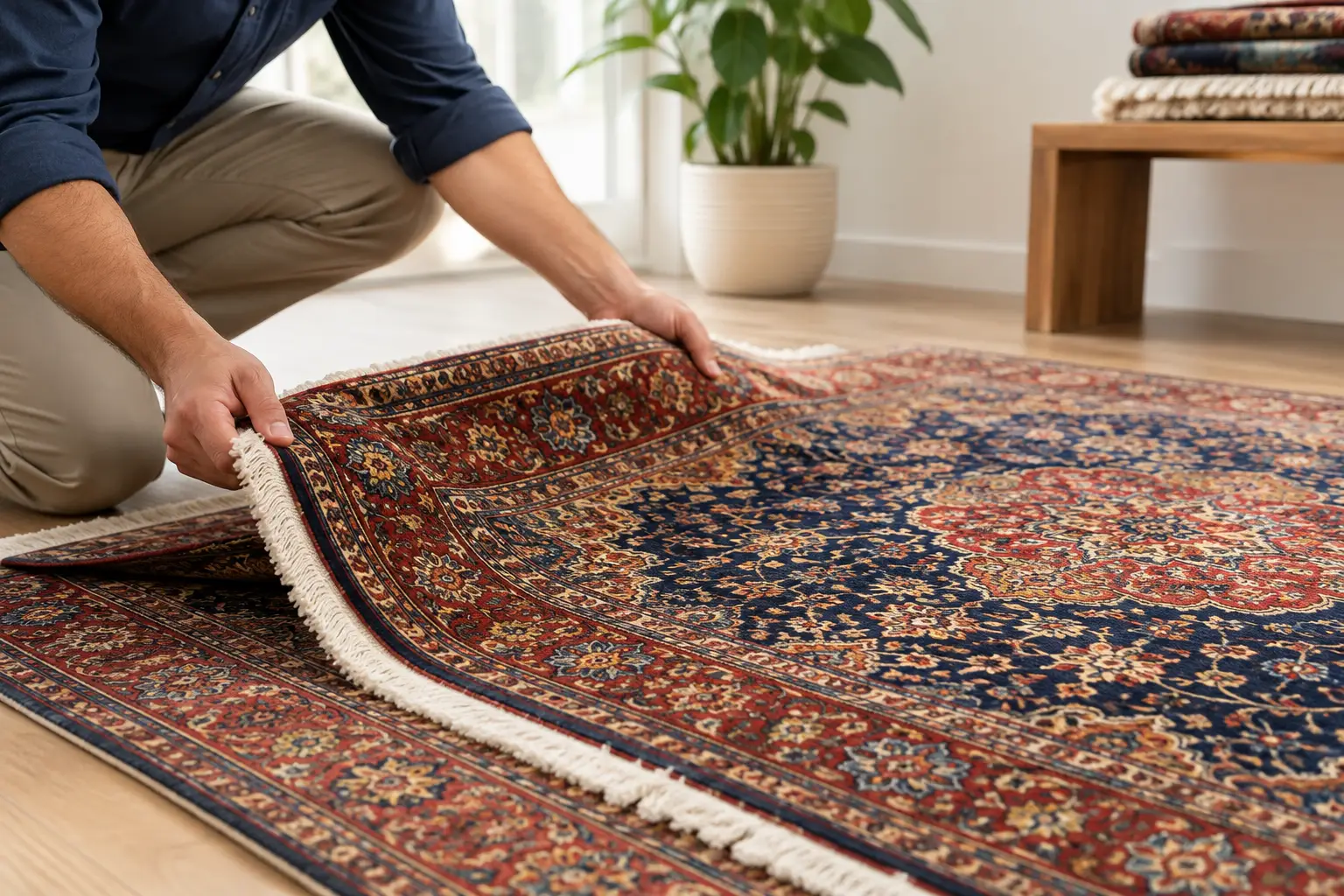
Professional care starts with an inspection, not an assumption. Before any cleaning begins, the rug should be evaluated for fiber type, dye stability, construction, existing wear, stains, odor, fringe condition, and prior repair work. This helps determine what can be improved safely and what may be permanent.
Some stains have already changed the color of the fiber, especially when they have been exposed to heat, sunlight, or repeated household treatments. A responsible rug specialist will explain that difference clearly. Promising that every stain will disappear is not honest service. The right approach is to pursue the best safe result while protecting the rug from unnecessary risk.
Dry Soil Removal Comes First
One of the most overlooked parts of rug care is dry soil removal. Vacuuming at home is helpful, but it cannot always reach grit packed into the foundation of a dense rug. Specialized dusting methods help remove that abrasive material before washing. This step matters because adding water before removing embedded grit can turn dry soil into mud inside the rug.
Washing and Rinsing Should Fit the Fiber
After testing and pre-treating problem areas, a rug may be washed with methods designed for its materials and construction. The washing process is followed by thorough rinsing so cleaning residues are not left behind to attract more soil. Proper drying is equally important. A rug that remains damp too long can develop odor, dye migration, or other avoidable problems.
For Omaha households, seasonal weather can make at-home drying especially difficult. A rug draped over a deck railing or left on a basement floor may not dry evenly, even if the surface feels dry. Controlled drying helps protect the foundation as well as the face fibers.
Odor Requires More Than a Fragrance
Pet urine is one of the most common reasons homeowners seek professional rug washing, and it is also one of the most misunderstood. If urine has reached the backing or foundation, spraying the top of the rug with a deodorizer may only cover the smell temporarily. Humidity can reactivate the odor because the source remains below the surface.
Effective odor treatment involves locating the affected areas and treating contamination as deeply as it has traveled. The process can take more time than a routine cleaning, particularly with repeat pet accidents or older urine deposits. Still, targeted treatment is far more useful than masking the problem with fragrance.
When to Schedule Rug Cleaning
There is no single schedule that works for every home. A rug in a low-traffic guest room may need professional washing less often than one in a family room with children and pets. As a general rule, many rugs benefit from professional cleaning every one to three years, with more frequent care for high-use areas.
You should consider scheduling service sooner if the rug has a lingering odor, looks dull after vacuuming, feels gritty underfoot, has visible traffic lanes, or has been involved in a spill or pet accident. Rugs preparing for storage also deserve professional attention. Storing a soiled rug can invite odor and insect activity, particularly if food residue, pet dander, or natural fibers are present.
Moth activity is another reason not to delay. Moths are attracted to the organic residue trapped in natural fibers, not clean wool itself. Signs can include irregular bare areas, loose fibers, or small larvae casings in quiet, undisturbed spaces. Cleaning and appropriate moth treatment can help protect a rug before damage expands.
Everyday Care That Protects Your Investment
Professional washing is essential at the right intervals, but regular home care makes a meaningful difference between visits. Vacuum both the rug surface and the floor beneath it periodically. Dirt can accumulate under the rug and work upward through foot traffic. For delicate fringe, use a suction-only attachment or avoid vacuuming it directly to prevent pulling and tangling.
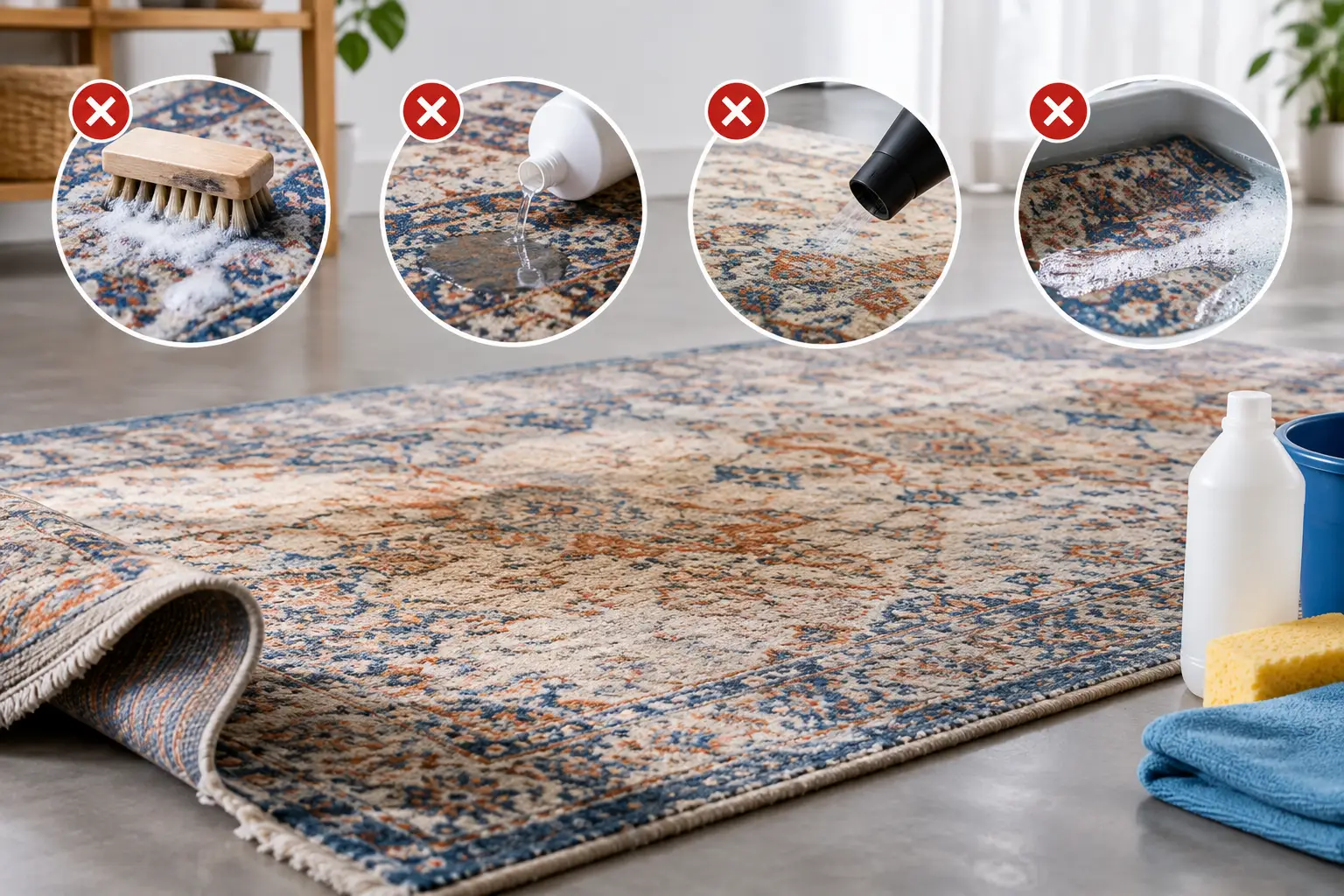
When a spill occurs, blot it immediately with a clean white towel. Do not scrub, because scrubbing can push liquid deeper and distort pile fibers. Avoid pouring store-bought spot cleaners onto an unknown fiber type, especially on wool, silk, viscose, or antique rugs. A product that works on synthetic carpet can cause color loss, browning, stiffness, or texture changes in a rug.
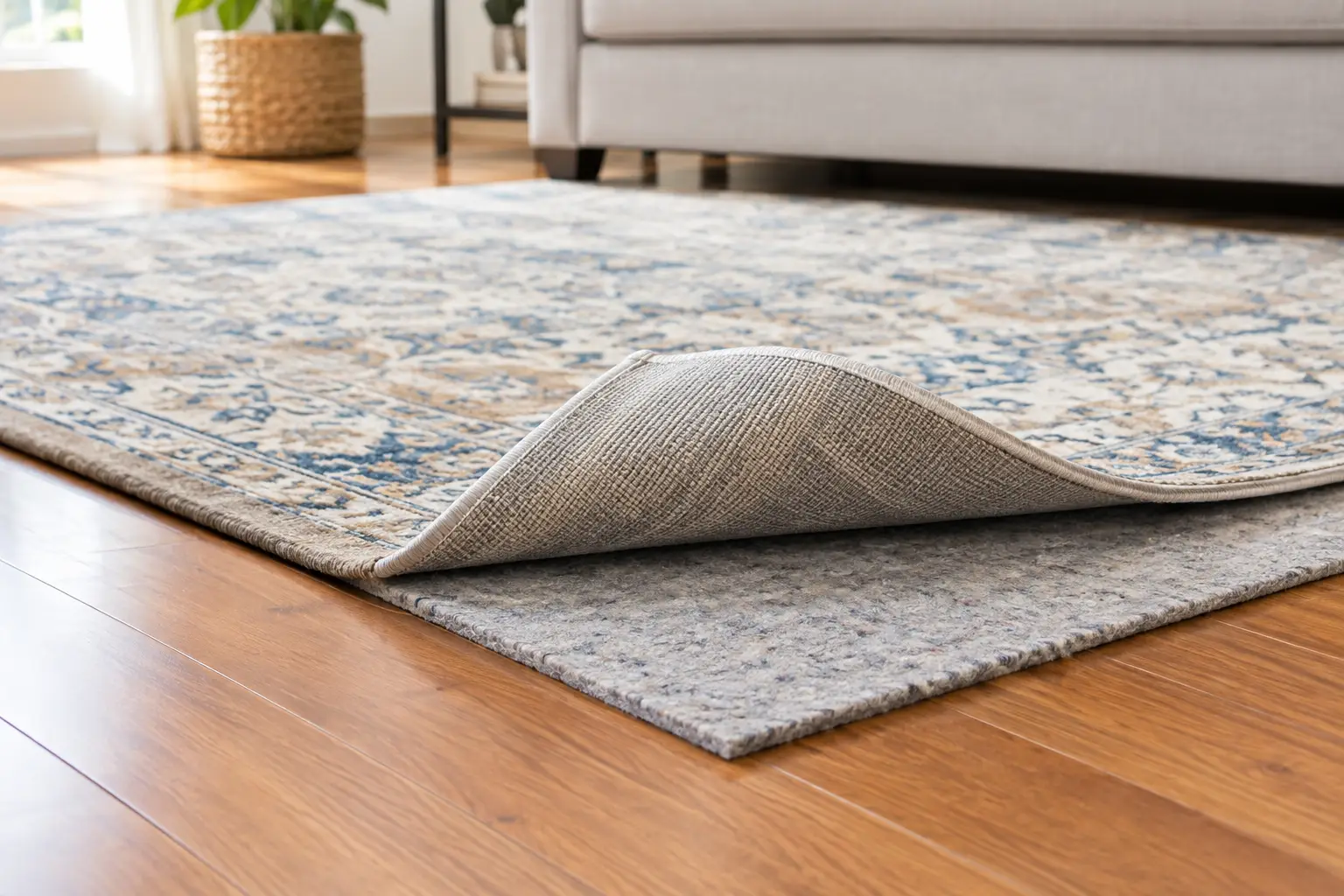
A quality rug pad is also a practical form of protection. It helps reduce slipping, cushions foot traffic, supports the rug’s structure, and can limit wear caused by friction against the floor. The right pad depends on the rug, the floor surface, and how the room is used. A thin decorative rug over hardwood has different needs than a heavy wool rug in a high-traffic hallway.
Restoration Can Be Worth Considering
Cleaning reveals a rug’s condition, but it cannot repair structural damage. Loose edges, unraveling fringe, holes, tears, worn binding, and color loss may require restoration work. The best choice depends on the rug’s value, age, and the role it plays in your home.
For a treasured family heirloom or handmade rug, a careful repair can prevent minor damage from becoming a major loss. For a low-cost rug at the end of its useful life, extensive restoration may not make financial sense. Good advice should be based on what your rug needs, not on selling work that will not serve you.
At Omaha’s Rug Cleaning and Restoration, each rug is treated as an individual textile, with cleaning, odor treatment, repair, protection, and padding recommendations based on its condition. Free estimates and convenient pickup, delivery, or drop-off options make it easier to get clear guidance before deciding on service.
Your rug has spent years making your home feel lived in. With expert care before soil, odor, or damage becomes entrenched, it can keep doing that job beautifully for many more.