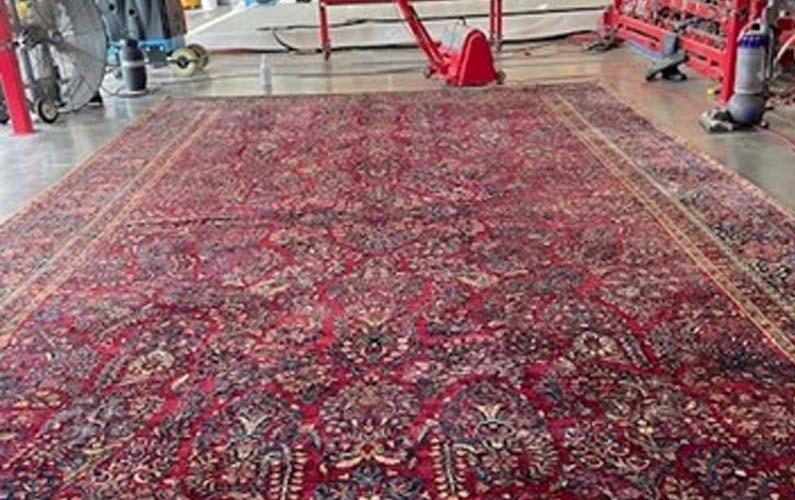
A rug does not have to be torn in half to need professional attention. Loose fringe, a curling corner, faded color, pet damage, moth activity, and worn edges can all slowly shorten a rug’s life. Thoughtful rug restoration addresses these concerns before a small problem becomes permanent damage – helping preserve the comfort, beauty, and value of a rug that belongs in your home.
For Omaha and Lincoln homeowners, the decision is rarely just about whether a rug still covers the floor. It may be the handmade rug you bought on a meaningful trip, an antique passed down through family, or a favorite wool rug that has handled years of pets, children, and everyday life. The right care depends on the rug’s construction, fiber, condition, and value. A qualified specialist should explain what is possible, what is practical, and what work is truly worth doing.
What Rug Restoration Can Address
Restoration is not one service. It is a careful group of repair and preservation techniques selected for the individual rug. A machine-made synthetic rug with a small damaged binding may need a straightforward edge repair. A hand-knotted wool or Oriental rug with missing fringe, moth damage, and color loss requires a much more detailed approach.
Common restoration needs include re-securing or rebuilding frayed edges, repairing separated seams, correcting fringe damage, stabilizing holes and weak areas, treating moth-related damage, and addressing color bleed or uneven fading. In some cases, professional washing is the necessary first step. Soil, pet contamination, and old cleaning residue can hide the true condition of the fibers and make repairs less effective.
Not every stain can be removed completely, and not every worn area can be made invisible. Honest restoration is about improving stability, appearance, and usable life without making promises the rug’s condition cannot support. That is why a close inspection matters before any work begins.
When Rug Restoration Makes Sense
A repair is usually worthwhile when it protects a rug from getting worse, preserves a rug with sentimental or market value, or allows a well-loved piece to remain safely in use. The sooner damaged edges, fringe, or small holes are addressed, the more options there are for preserving the original structure.
Handmade rugs often deserve special consideration. Their construction allows skilled repairs to blend into the existing pattern or foundation more naturally than many people expect. Even when a repair remains visible on close inspection, it can stop unraveling and help retain the rug’s character.
Restoration can also be a practical choice for a rug that fits a room perfectly. Replacing a large, high-quality rug may cost more than repairing it, especially when the original piece has a design, size, or color that is hard to duplicate. Adding a custom-cut rug pad after repair can reduce shifting and friction, which helps protect the rug from future wear.
There are times when replacement is the more sensible option. A low-cost rug with widespread dry rot, severe structural failure, or extensive pet contamination may not justify complex restoration. A local rug professional should be comfortable saying so. The goal is not to sell every possible repair. It is to help you make a clear decision that respects your home and budget.
Small Damage Rarely Stays Small
The most common restoration mistake is waiting too long. A few loose threads along a rug’s edge may seem harmless, but the edge is what protects the interior structure. Once it begins unraveling, the damage can move inward row by row.
Fringe deserves the same attention. On many handmade rugs, fringe is not decorative trim added afterward. It is part of the rug’s foundation. Pulling, vacuuming aggressively, or allowing fringe to become tangled can place stress on the entire end of the rug. A fringe repair may involve securing the foundation, restoring the ends, or applying a practical finish that better suits how the rug is used.
Corners that curl or buckle are another warning sign. Sometimes the cause is wear, moisture exposure, improper storage, or an underlying issue with the rug’s foundation. Sometimes it is simply a missing or unsuitable pad. The right solution depends on why the rug is no longer lying flat, not just on forcing it down.
Cleaning and Restoration Often Belong Together
A rug should be cleaned with methods appropriate for its fibers, dyes, and construction before restoration is planned whenever possible. True area rug washing is different from cleaning wall-to-wall carpet in place. Rugs benefit from controlled dust removal, washing, rinsing, and drying in a dedicated setting where technicians can inspect both sides and respond to issues such as dye instability, odor, or fiber weakness.
This is especially relevant after pet accidents. Urine can travel through the pile into the foundation and backing, where odor remains even after surface cleaning. It can also attract repeat marking from pets. Treating the source of the contamination is more meaningful than masking the smell with fragrance.
Color problems require the same restraint. A red dye that has bled into a lighter area, sun fading near a window, or discoloration from a past cleaning attempt may be correctable to some degree. But color correction is specialized work. A rushed spot treatment can spread bleeding or create a visible mismatch. Evaluation should come before action.
How to Protect a Restored Rug at Home
Once a rug has been washed or repaired, daily habits make a real difference. Use a properly sized rug pad to provide cushioning, reduce movement, and limit wear from friction against the floor. Rotate the rug periodically when one area receives more foot traffic or sun exposure than another.
Vacuum the pile regularly, but avoid running a beater bar directly over fringe or fragile edges. If threads begin to loosen, do not pull them. Tuck a loose yarn to the back if possible, take a clear photo, and have it evaluated before vacuuming the area again.
For spills, blot quickly with a clean white towel. Do not scrub, soak the rug, or use grocery-store stain removers without knowing the fiber and dye type. Wool, silk, viscose, cotton, and synthetic fibers can react very differently. A product that appears to help at first may leave residue, distort color, or set the stain deeper into the rug.
Storage calls for care as well. Never store a rug damp, and avoid folding it tightly for long periods. A clean, completely dry rug should be rolled and protected from moisture, pests, and extreme temperature changes. If moths are a concern, professional inspection and treatment are far safer than assuming a household spray will solve the problem.
Choosing a Rug Restoration Specialist
The person evaluating your rug should ask questions about its history, where it has been used, whether pets have been involved, and what changes you have noticed. They should inspect the front and back, identify the likely fiber and construction, and explain the recommended work in plain language.
Look for a specialist who distinguishes between cleaning, repair, and restoration rather than treating every rug like standard carpet. Facility-based care is particularly valuable for rugs needing deep washing, odor treatment, dye evaluation, or detailed repair work. Pickup and delivery can also make caring for large or delicate rugs much easier.
At Omaha’s Rug Cleaning and Restoration, our approach is to evaluate what your rug needs and recommend only the care that supports its condition and your goals. With more than 20 years of specialized experience, we understand that a repaired rug should still feel like your rug – not a generic replacement.
A Repair Decision Starts With an Honest Assessment
If you are unsure whether a damaged rug can be saved, take photos of the affected area and note any odors, shedding, rippling, loose fringe, or color changes. That information helps a professional provide useful guidance before the rug is moved or treated at home.
A well-timed repair can preserve years of use, protect a meaningful investment, and keep a familiar piece in the room where it belongs. Your clean, cared-for rugs are waiting – and a simple evaluation is often the best first step.