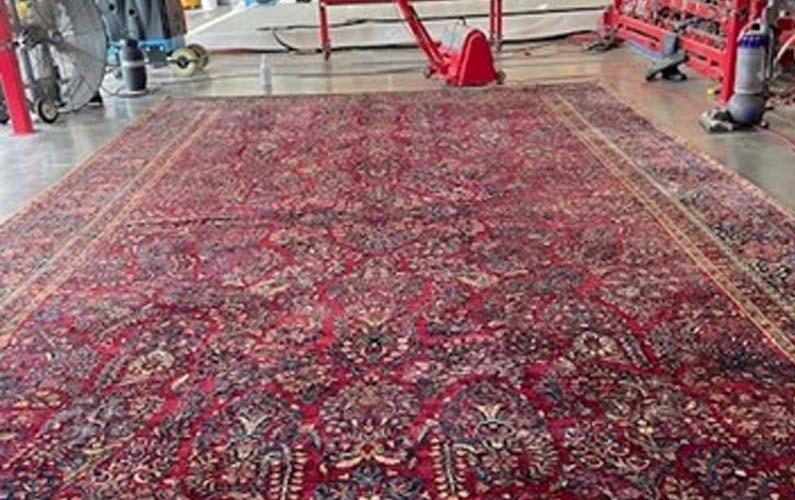
A rug can look clean from across the room while holding pounds of dry soil, pet dander, food residue, and sticky spills deep at its foundation. That is why steam cleaning versus rug washing is more than a question of convenience. The right method affects how fresh your rug feels, how long its fibers last, and whether hidden odors and contaminants actually leave the textile.
For many Omaha-area homeowners, the confusion starts with the word “steam.” Carpet-cleaning equipment is often described as steam cleaning even when it uses hot-water extraction, not true steam. That distinction matters even more with area rugs, which may contain wool, cotton, silk, jute, delicate dyes, hand-tied fringe, or adhesives that need a more controlled approach than wall-to-wall carpet.
Steam Cleaning Versus Rug Washing: The Main Difference
Steam cleaning, as it is commonly marketed, usually means applying a cleaning solution and hot water to the rug, then extracting as much moisture and soil as possible with a machine. It can be useful for surface refreshment and certain synthetic rugs, especially when the rug is lightly soiled and can be cleaned safely in place.
True rug washing is a more complete, facility-based process. The rug is evaluated first, then dusted to remove dry particulate soil before washing begins. Depending on its fiber, construction, colors, and condition, it may receive targeted stain treatment, pet odor treatment, a controlled wash, thorough rinsing, and drying designed to protect the rug’s shape and foundation.
The biggest difference is where the soil goes. Extraction cleaning can remove a portion of the contaminants suspended near the surface. Professional washing is intended to flush contamination through the entire rug and out of it. For rugs that have collected years of foot traffic, pets, cooking residue, or Nebraska dust, that deeper process often makes a visible and noticeable difference.
Why Area Rugs Need Their Own Cleaning Method
Area rugs are not simply small carpets. Their materials and construction vary widely, and each one responds differently to moisture, heat, agitation, and cleaning chemistry. A machine-made polypropylene rug may tolerate a cleaning approach that would be risky for a hand-knotted wool rug with cotton fringe. A viscose rug may develop texture changes or color issues if it is treated like ordinary synthetic carpet.
A specialty rug cleaner begins by identifying what is actually in front of them. That includes fiber type, dye stability, backing or foundation material, previous repairs, areas of wear, and the source of stains or odors. A red wine spill, for example, calls for different treatment than a yellowing stain from pet urine. The goal is not to use the strongest product or the hottest water. The goal is to use the safest effective method for that specific rug.
Dry soil is another overlooked issue. Grit works its way below the pile and acts like sandpaper as people walk across the rug. A surface extraction machine may not release all of that embedded material. Proper dusting before washing helps remove this abrasive soil, supporting the rug’s appearance and preserving its fibers over time.
When Steam Cleaning May Make Sense
There are situations where in-home extraction cleaning can be a reasonable choice. A lightly soiled synthetic accent rug, a low-pile rug without odor problems, or a rug that needs a quick refresh before an event may not require a full wash. The key is confirming that the rug is colorfast, structurally sound, and suited to the process.
Steam cleaning may also be considered when moving the rug is impractical. Very large rugs beneath heavy furniture or rugs installed in a way that makes removal difficult sometimes need an in-home solution. Even then, careful testing and moisture control are essential. Over-wetting can lead to browning, curling, backing damage, mildew odors, or prolonged drying times.
What steam cleaning generally cannot do is replace a full washing for deep contamination. If a rug smells fine while dry but releases odor in humid weather, if pet accidents have reached the foundation, or if the pile looks dull shortly after cleaning, the issue may be below the surface. Those are signs that a more thorough process is worth considering.
When Professional Rug Washing Is the Better Choice
Professional washing is often the better fit for valuable, antique, handmade, wool, oriental, Persian, silk, viscose, and heavily used rugs. It is also the stronger option for rugs affected by pet urine, persistent odors, significant staining, allergy concerns, or long-term soil buildup.
Pet urine deserves special attention. The visible spot can be much smaller than the actual affected area. Urine can travel into the rug’s foundation and, depending on the floor beneath it, into the pad or flooring as well. A topical treatment may improve the surface temporarily, but complete odor correction often requires treating the rug through its full depth. In some cases, the rug pad needs attention or replacement too.
Facility washing also gives the cleaner more control over drying. Rugs need to dry thoroughly and efficiently, not sit damp in a basement or garage. Controlled drying reduces the risk of odor, color migration, shrinkage, and foundation distortion. This is particularly valuable for wool and cotton-based rugs, which can react poorly to excessive or lingering moisture.
At Omaha’s Rug Cleaning and Restoration, the process starts with the rug itself rather than a one-size-fits-all cleaning method. That allows homeowners to get the work their rug needs, whether that includes washing, odor treatment, fringe care, repair, color correction, fiber protection, or a recommendation for a new custom-cut pad.
Cost, Convenience, and Long-Term Value
Steam cleaning is usually less expensive upfront because it is quicker and often performed in the home. For the right rug and the right level of soil, that can be a practical decision. But lower initial cost is not always lower overall cost if staining returns, odors remain, or aggressive cleaning shortens the life of an investment piece.
Rug washing takes more time and involves pickup, delivery, or drop-off, inspection, specialized labor, and controlled drying. It is therefore commonly a larger investment. In return, it offers a more complete cleaning opportunity and a better chance to address the problems that ordinary surface cleaning leaves behind.
Think about how the rug functions in your home. A washable kitchen runner used for a season has different needs than a handwoven living-room rug passed down through family. A nursery rug with an occasional spill may need routine care, while a rug used by two dogs and a busy household may need periodic deep washing to keep odors and soil from building up.
How to Choose the Right Service for Your Rug
Start with the rug’s material, age, construction, and condition. If you know the rug is wool, handmade, antique, or sentimental, treat that as a reason to seek specialist guidance before renting a machine or booking a general carpet cleaner. Photos of the front, back, fringe, labels, stains, and any areas of damage can help a rug professional give an informed recommendation.
Next, consider the problem you are trying to solve. Surface dirt and a minor recent spill may call for a limited treatment. Deep odors, recurring stains, flattened pile, gritty backing, moth concerns, or discoloration point toward a more thorough evaluation. A qualified cleaner should be willing to explain why a specific method is recommended and when a less intensive option is enough.
Regular vacuuming helps extend the time between professional cleanings, but avoid aggressive beater bars on delicate rugs and do not pull loose fringe through a vacuum. When a spill happens, blot it promptly with a clean white towel rather than scrubbing. Scrubbing can spread the stain, distort fibers, and push contamination deeper into the rug.
Your rug supports daily life, from muddy shoes and family gatherings to quiet mornings at home. Giving it the right level of care protects the comfort, color, and craftsmanship you chose it for. If you are unsure which method fits your rug, a professional assessment can replace guesswork with a clear plan for keeping it clean and preserving it for the years ahead.