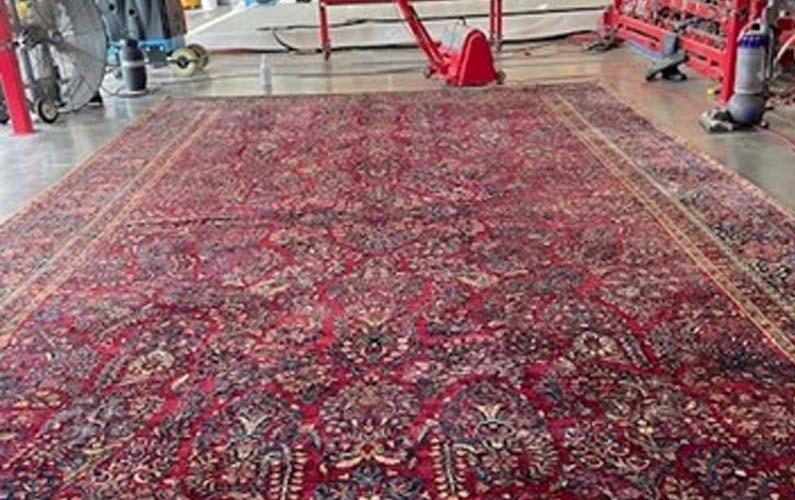
A wet rug can look like a simple cleanup problem until the odor appears, the colors begin to move, or the hardwood beneath it starts to show damage. This rug water damage guide is designed to help Omaha homeowners make smart first decisions after a burst pipe, sump pump issue, appliance leak, storm intrusion, or an oversized spill.
Area rugs are not carpet remnants. Many have layered construction, natural fibers, hand-tied foundations, cotton fringe, specialty dyes, or glued backings that react very differently to water. Quick action matters, but the wrong drying method can cause permanent distortion just as easily as waiting too long.
First, Identify the Water Source
Before handling the rug, consider what made it wet. Clean water from a supply line, rainwater that entered a closed home, and a small sink overflow may be candidates for prompt drying and professional washing. Even then, a rug can hold far more moisture than its surface suggests.
Water from a washing machine discharge, dishwasher, toilet overflow, sewer backup, outdoor flooding, or any source that may contain contaminants requires more caution. Do not try to save the rug by shampooing it in place. Contaminated water can settle into the rug’s foundation, backing, and fringe, creating sanitation concerns that surface cleaning cannot solve.
If the water source is unknown, treat it as questionable until a professional can assess it. Protecting your family and your home comes before protecting the rug.
What to Do in the First Hours
The first 24 hours often determine whether a rug can be restored without avoidable odor, dye bleed, mildew, or structural damage. Start by stopping the water source and moving furniture off the rug if it can be done safely. Place blocks, trays, or foil barriers under furniture legs to reduce additional staining and damage.
If the rug is small enough to move without folding or straining it, lift it from the wet floor. A saturated rug can be surprisingly heavy, so get help. Support it evenly rather than pulling it by the fringe or one corner. If you must roll it for transport, keep the pile facing inward and do not leave it rolled up for long.
Blot excess water with clean white towels. Press down firmly, then replace towels as they become saturated. Avoid rubbing, which can distort fibers and spread color. A wet-dry vacuum may remove some surface moisture, but do not use aggressive carpet-cleaning equipment, household steamers, or a rented machine on a valuable rug.
Use fans and dehumidification to reduce humidity in the room, especially if the rug must remain in place briefly. Air circulation helps, but it is not a substitute for controlled drying and washing. Never place a rug directly over a heater, use high heat, or leave it baking in strong sun. Heat can shrink natural fibers, crack backing materials, and cause dyes to migrate.
Why Rug Water Damage Is More Than a Wet Surface
A rug can feel dry on top while its foundation remains wet. This is especially common with wool rugs, thick pile, cotton foundations, latex-backed rugs, and rugs resting on pads. Moisture trapped below the surface creates the conditions for mildew odor, browning, fiber weakening, and damage to the flooring beneath.
Wool deserves particular care. It is naturally resilient and can often be restored beautifully, but it absorbs a great deal of water and takes time to dry properly. Improper drying can leave a wool rug stiff, wavy, discolored, or prone to a lingering musty smell.
Cotton rugs and cotton foundations may shrink, wrinkle, or lose their shape. Viscose, rayon, silk, bamboo silk, and some blended fibers can suffer water marks, texture changes, and color loss even after a minor incident. Handmade rugs may also have unstable dyes that bleed when saturated. These are not problems that a household fan can reliably solve.
The rug pad also matters. Pads can hold moisture against hardwood, laminate, tile grout, or subflooring long after the rug is removed. In many cases, the pad should be discarded and replaced. A custom-cut rug pad is a relatively small investment compared with repairing floor damage or recontaminating a freshly restored rug.
When You Can Dry It Yourself and When to Call
A small, machine-made synthetic rug that was lightly wet with clean water and dried immediately may be manageable at home. Remove it from the floor, blot it thoroughly, circulate air on both sides, and check it over the next several days for odor, curling, discoloration, or stiffness.
The situation changes when the rug is large, valuable, antique, handmade, wool, silk, viscose, heavily saturated, exposed to questionable water, or wet for more than a few hours. Professional help is also the safer choice if color begins transferring to towels, the rug has a strong odor, or the floor beneath is damp.
A facility-based rug washing process gives the rug a more complete reset than in-home extraction. The rug can be evaluated for fiber type, dye stability, construction, odor, contamination, and existing wear before the appropriate washing and controlled drying methods are selected. That level of care is especially valuable when a rug is an investment, a family heirloom, or a piece chosen specifically for your home.
Do Not Make These Common Water-Damage Mistakes
Homeowners understandably want to act fast, but a few well-meant steps can make restoration harder. Avoid these four mistakes:
- Do not leave a soaked rug flat on the floor while you wait to decide what to do. Moisture can affect both the rug and the surface below it.
- Do not fold, tightly roll, or bag a wet rug for storage. Enclosed moisture accelerates odor and microbial growth.
- Do not apply bleach, hydrogen peroxide, vinegar, or spot removers without knowing the fiber and dye type. These products can strip color or alter the texture.
- Do not assume the rug is fine because it looks dry. Check the backing, fringe, pad, and flooring underneath.
If insurance is involved, take clear photos before moving the rug if conditions allow. Photograph the water source, affected flooring, pad, and both sides of the rug. Keep notes about when the water event occurred and what actions you took. This documentation can be helpful while still allowing you to move quickly on drying and restoration.
Protect the Flooring Under the Rug
Rug water damage and floor damage often happen together. Hardwood can cup, stain, or develop finish issues when moisture is trapped beneath a rug and pad. Laminate can swell at seams. Even tile floors may have moisture in grout lines or beneath the pad.
Once the rug is removed, inspect the floor carefully. Dry the area with clean towels and air movement, and do not reinstall the rug or pad until the floor is fully dry. If water traveled beyond the rug’s edges, affected baseboards, walls, or flooring may need separate water-mitigation attention.
When the rug is ready to return, use a clean, dry pad suited to the flooring type and rug size. The right pad improves stability and comfort while helping reduce wear from movement and friction.
Restoration Is About Preservation, Not Just Cleaning
Water damage can reveal issues that were already developing: weak fringe, loose edges, moth damage, old pet odor, faded areas, or worn foundation threads. Addressing these concerns while the rug is being evaluated can prevent a minor repair from becoming a larger restoration project later.
At Omaha’s Rug Cleaning and Restoration, we assess each rug as an individual textile rather than applying a one-size-fits-all carpet-cleaning approach. With more than 20 years of specialized experience, our team can help determine whether washing, odor treatment, color correction, repair, pad replacement, or controlled drying is appropriate - and recommend only the work your rug needs.
A water event is stressful, but it does not automatically mean a favorite rug is lost. Move quickly, avoid heat and harsh chemicals, protect the floor beneath it, and get expert guidance when the rug’s fibers, construction, or water source raise questions. Your clean rugs are waiting, and timely care gives them the best chance to remain part of your home for years to come.