A beautiful area rug can look clean on the surface while holding pounds of dry soil, pet residue, fine grit, and cleaning-product buildup deep in its foundation. That is why rug wash versus shampooing is not simply a question of which service sounds stronger. The right approach depends on how your rug is made, what is trapped inside it, and what will preserve its fibers, color, and structure for years to come.
For many Omaha-area homeowners, shampooing sounds like the familiar answer because it resembles carpet cleaning. But area rugs are not wall-to-wall carpet. They can contain wool, silk, cotton, viscose, jute, synthetic fibers, hand-tied foundations, delicate fringe, unstable dyes, or old repairs. Each of those details affects how a rug should be cleaned.
Rug Wash Versus Shampooing: The Core Difference
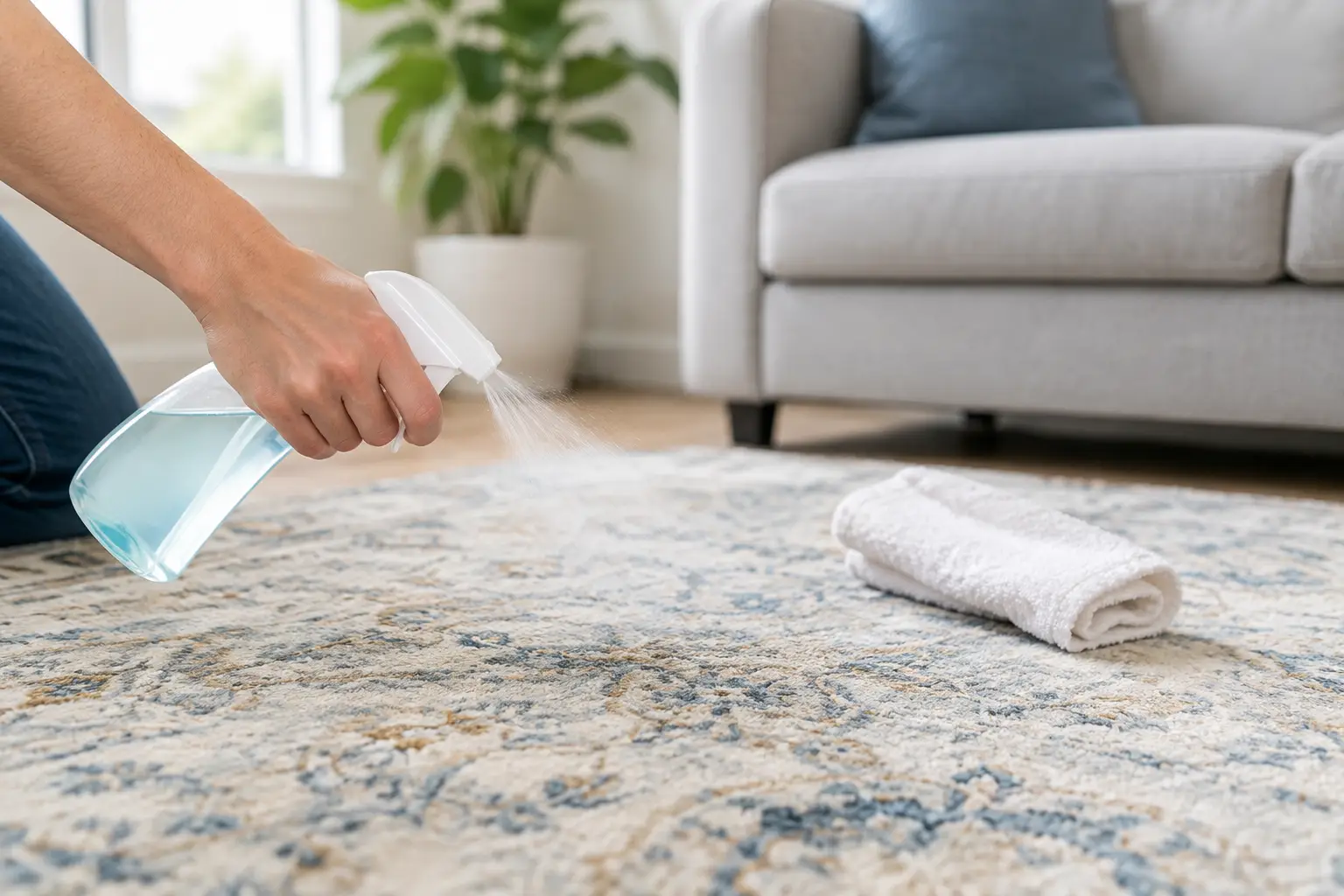
Shampooing generally means applying a cleaning solution to the face of a rug, agitating it, and extracting or rinsing away some of the moisture and soil. This may be done in the home with portable equipment or with equipment designed primarily for carpet. It can improve the appearance of lightly soiled rugs, especially synthetic rugs with low pile and no complicated odor or staining issue.
A professional rug wash is a more complete process. The rug is evaluated before cleaning, then treated according to its fiber type, construction, dyes, condition, and specific concerns. At a dedicated rug-cleaning facility, the rug can be dusted to remove embedded dry soil, washed through its full thickness, rinsed thoroughly, dried under controlled conditions, and groomed or finished as needed.
The difference matters because the soil you can see is often only part of the problem. Grit settles below the pile, where it rubs against fibers every time the rug is walked on. Pet urine can migrate into the backing and foundation. Sticky residues may attract fresh soil soon after a surface treatment. A proper wash is designed to address what is inside the rug, not only what is visible from above.
Why Shampooing Can Fall Short for Area Rugs
Shampooing is not automatically harmful. On the right rug, with the right products and moisture control, it may be appropriate for a light maintenance cleaning. The concern is using a carpet-cleaning method as a one-size-fits-all solution for valuable textiles.
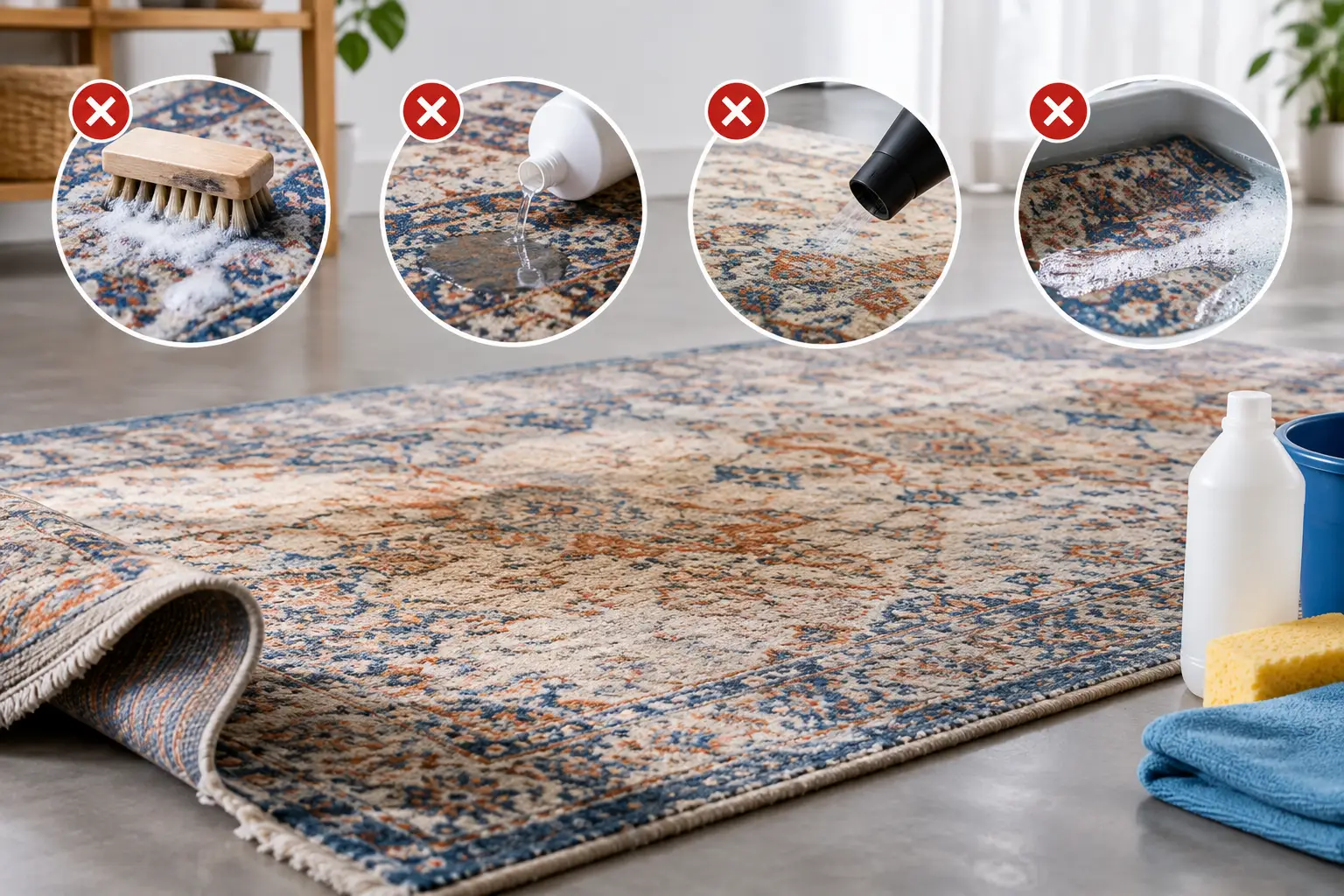
A shampoo machine may not remove enough dry soil before moisture is introduced. Once fine dust and grit are wet, they can become mud-like residue within the pile. If cleaning solution is left behind, it can make the rug feel stiff or attract dirt more quickly. Overwetting is another concern, particularly for rugs with cotton, jute, or other absorbent foundations that may take a long time to dry.
Color bleeding is also a real risk in handmade, antique, and brightly dyed rugs. Wool rugs often need careful testing and controlled washing conditions. Viscose and silk can be especially sensitive to moisture, agitation, and the wrong chemistry. Fringe needs separate attention because it is often part of the rug’s foundation rather than a decorative add-on.
Pet accidents add another layer. Surface shampooing may reduce an odor temporarily, but it may not reach contamination that has traveled through the rug and into the backing. When the rug dries, lingering odor can return, particularly during humid weather. Treating pet urine properly often requires targeted odor treatment before the rug is washed and dried.
What a Professional Rug Wash Can Do
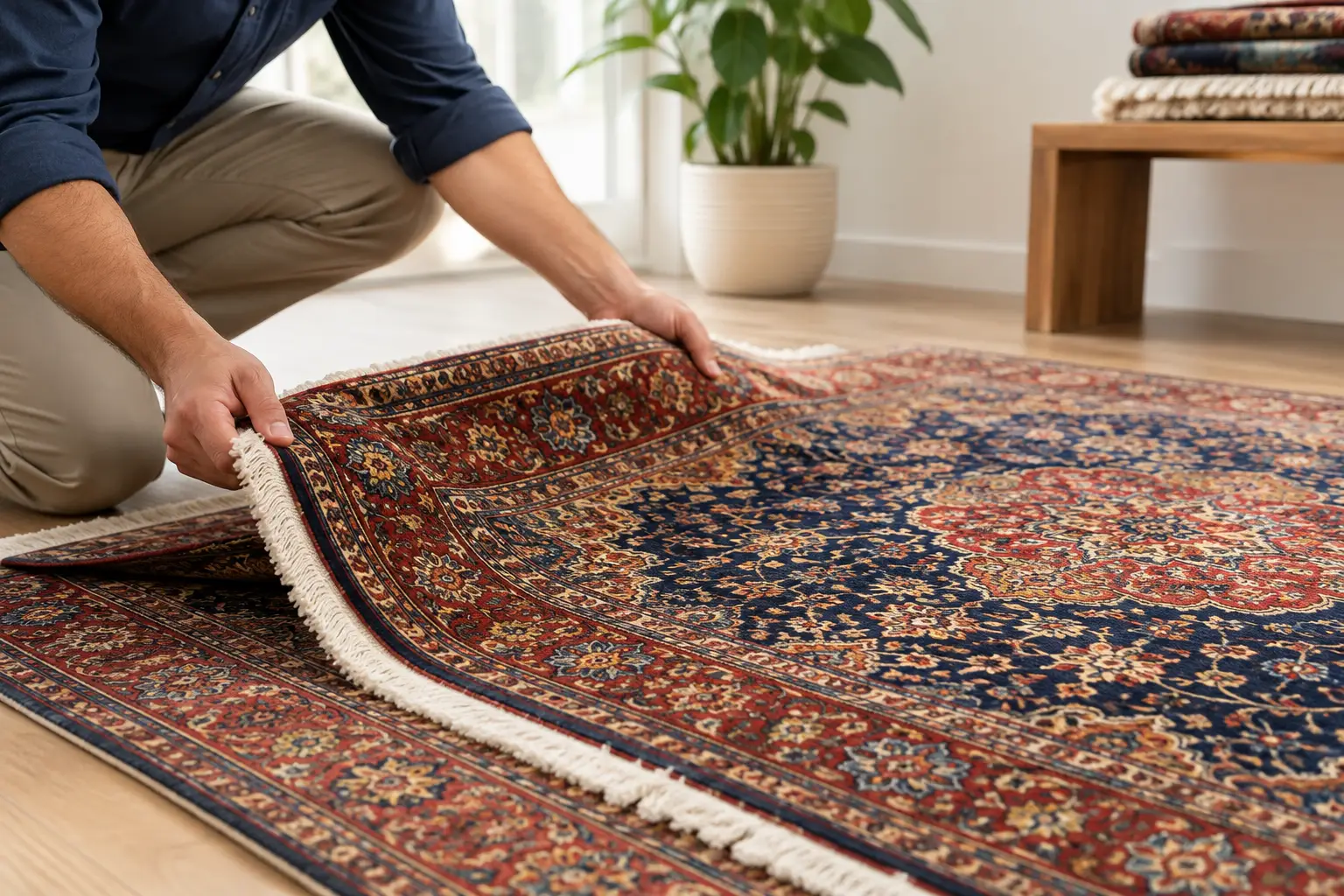
A true wash begins with inspection. A rug-care specialist looks for fiber type, dye stability, worn areas, fringe condition, prior repairs, stains, odors, moth damage, and signs that the rug may need gentler handling. This step helps determine whether the rug can be fully washed, needs specialty treatment, or should receive a more conservative cleaning process.
Next comes dry soil removal. Rugs act like filters, catching dirt that vacuums cannot always reach. Professional dusting helps release this embedded particulate soil before washing. That helps cleaning solutions work more effectively and reduces the abrasive grit that causes premature fiber wear.
The washing stage is tailored to the rug. Some rugs benefit from a full wash, while others require hand cleaning, controlled immersion, low-moisture methods, or specific stain and odor treatments. The goal is not to apply the most aggressive process. It is to use the safest effective process for that individual rug.
Thorough rinsing is just as important as washing. A rug should not be returned with detergent residue, heavy moisture, or hidden contamination still in its foundation. Controlled drying helps protect shape, reduce the chance of odor, and prevent problems associated with prolonged dampness. Once dry, the rug can be groomed, inspected again, and evaluated for any repair, protection, or padding needs.
Which Rugs Need Washing Instead of Shampooing?
The more valuable, delicate, or heavily used a rug is, the more likely it deserves specialized washing. Handmade wool rugs, Oriental and Persian rugs, antique rugs, heirloom textiles, silk rugs, and rugs with natural-fiber foundations should not be treated like ordinary carpet. Their construction and materials call for informed care.
Rugs with pet urine, persistent odor, heavy soil, drink spills, smoke exposure, or allergen buildup also benefit from a deeper process. Families with children and pets often notice that a rug looks better after shampooing but does not smell fresh or feel truly clean. That is a sign the issue may be below the surface.
A small synthetic accent rug in good condition may not require a full wash every time. In that case, a lighter method can make practical sense. The key is an honest assessment rather than automatically choosing the fastest service. Good rug care is about doing the work your rug needs, and no more than it needs.
The Cost Question: Cheaper Today or Better for the Rug?
Shampooing may cost less upfront, especially when it is bundled with carpet cleaning. That can be attractive when a rug needs a quick refresh. Yet the lowest initial price is not always the lowest long-term cost.
If residue causes rapid resoiling, if urine odor returns, or if too much moisture creates color or foundation problems, the rug may need additional cleaning or restoration. For an investment rug, one poorly matched cleaning can cost more than years of proper care.
Professional washing can be the better value when it removes embedded soil, helps extend fiber life, and addresses odor at its source. It also gives a specialist the opportunity to spot small fringe issues, weakening edges, moth activity, or color concerns before they become more expensive repairs.
How Often Should an Area Rug Be Washed?
Most rugs benefit from professional cleaning every one to three years, but household conditions matter more than a calendar. A rug in a quiet guest room may go longer. A rug at the front door, beneath a dining table, or in a home with dogs may need attention more often.
Watch for dull color, matted pile, lingering odor, visible traffic lanes, recurring spots, or a gritty feeling underfoot. Vacuuming regularly is still essential, but it cannot replace professional cleaning. It removes loose surface debris, while washing addresses soil that has settled deeper into the rug.
To protect your rug between cleanings, blot spills promptly rather than scrubbing them, rotate the rug periodically, use a properly fitted rug pad, and keep pets away from freshly treated spots until they are dry. Avoid store-bought spot cleaners unless you know they are safe for your rug’s fibers and dyes.
For homeowners who want clear guidance, Omaha’s Rug Cleaning and Restoration can assess the rug, explain the recommended process, and provide a free estimate before work begins. Pickup, delivery, and convenient drop-off options make it easier to give an important rug the care it deserves.
The best cleaning method is the one that respects your rug’s materials, history, and role in your home. If you are unsure whether a rug needs a wash or a lighter cleaning, ask before applying more product or water. A careful evaluation now can preserve its comfort, beauty, and value for many seasons ahead.