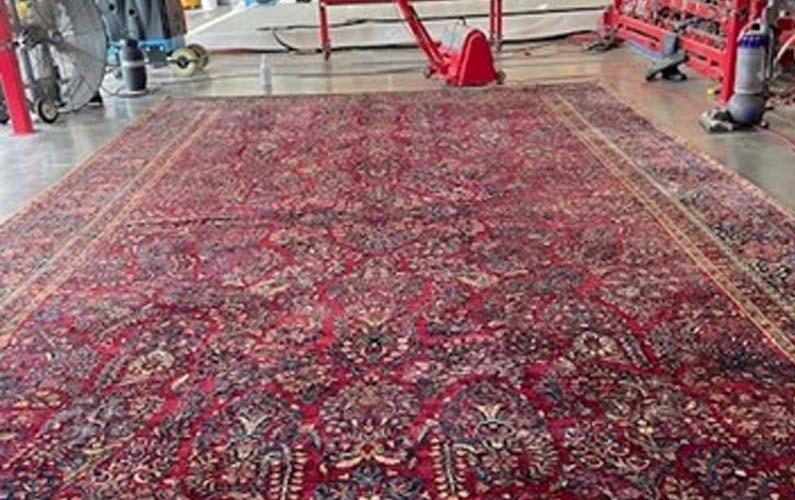
A beautiful area rug can be ruined from the bottom up. It may look clean and lie flat at first, but a rug that slides, bunches, or traps grit against the floor is taking damage with every step. Rug pads are a simple addition that protects the rug, improves comfort, and helps safeguard the flooring underneath.
For Omaha homes with hardwood, luxury vinyl, tile, or wall-to-wall carpet, the right pad is not an afterthought. It is part of preserving a rug you enjoy every day, whether it is a family-room workhorse, a handmade wool piece, or an antique with years of history.
What Rug Pads Actually Do
A quality rug pad creates a stable layer between your rug and the floor. Its most obvious job is preventing slips and movement, especially in hallways, entryways, kitchens, and homes with children or pets. But stability is only one part of the value.
Padding reduces abrasion. Dust, sand, pet hair, and other fine debris naturally work their way through rug fibers. Without a pad, that debris can become trapped between the rug and hard flooring, where foot traffic grinds it into the rug’s backing and foundation. Over time, this can contribute to thinning, broken fibers, and premature wear in traffic lanes.
A pad also adds a degree of shock absorption. The rug has less direct impact from footsteps, furniture pressure, and everyday use. On a thin flatweave or low-pile rug, that extra support can make the room feel noticeably more comfortable without changing the appearance of the rug.
There is a floor-protection benefit as well. Rugs can hold moisture after a spill, snow tracked in during a Nebraska winter, or an unnoticed pet accident. A pad that allows air movement and does not react with the floor finish helps reduce the risk of discoloration, scratching, or trapped moisture. It cannot make a spill harmless, but it gives you a better chance to spot and address the problem before lasting damage occurs.
Choosing Rug Pads for Your Floor Type
There is no single best pad for every rug and every room. The right choice depends on the flooring, the rug’s construction, traffic level, and whether you need extra cushioning or a low-profile fit beneath doors.
Hardwood and luxury vinyl floors
For finished wood, engineered wood, laminate, and many luxury vinyl floors, choose a pad clearly labeled safe for those surfaces. Dense felt-and-rubber pads are often a practical choice because the felt provides cushioning while the rubber grips both the floor and rug.
Avoid inexpensive open-grid pads that can crumble, transfer residue, or react with certain floor finishes. Some pads contain adhesives, plasticizers, or low-quality materials that may leave marks behind, particularly when exposed to heat, sunlight, or long-term pressure. If you have recently refinished floors, ask the flooring installer or finish manufacturer what pad materials they recommend before placing a rug.
Tile, stone, and concrete
Hard, smooth surfaces need reliable grip. A rubber-backed felt pad typically helps keep the rug from shifting while adding welcome comfort underfoot. This is especially useful in kitchens, bathrooms, and entryways, where a rug may be exposed to moisture.
Use care around wet areas. A rug pad should not conceal a recurring water issue or replace proper bath mats and ventilation. Lift the rug and pad periodically to make sure moisture has not been trapped beneath them.
Wall-to-wall carpet
A rug can move on top of carpet, too. A firm, low-profile pad designed for carpet-on-carpet use can keep it from creeping, wrinkling, or developing ripples. Thick cushioning is usually not necessary here and can make furniture feel unsteady.
If the rug sits beneath a dining table or heavy furniture, stability matters more than softness. The goal is to keep the rug smooth and anchored so chair legs and table feet do not stretch or distort it over time.
Material Matters More Than Thickness
Many homeowners assume the thickest rug pad is automatically the best. In practice, too much bulk can create problems. Doors may catch, furniture may wobble, and a delicate rug can be pushed into an unnatural shape. Material, density, and fit matter more than sheer thickness.
Felt pads are valued for cushioning and insulation. They work well when you want a softer feel or need to protect a rug from hard flooring. Rubber components provide traction and are useful in busy rooms. Natural rubber is often preferred over PVC or questionable synthetic materials, particularly for homes with sensitive flooring.
A thinner, denser pad may be the better choice for a flatweave, antique, or fine handmade rug. These rugs often need stable support without excess loft. For a plush modern rug in a bedroom or sitting room, a thicker felt pad can add comfort while still protecting the fibers.
The pad should also match the needs of the rug’s backing. Some machine-made rugs have latex or synthetic backings, while hand-knotted wool rugs have a more flexible textile foundation. A specialist can help match padding to the rug rather than treating every rug as interchangeable.
The Right Fit Prevents Curled Edges
A rug pad should be slightly smaller than the rug, usually about one inch shorter on all sides. This keeps the pad hidden and allows the rug’s edges to rest naturally against the floor. A pad that extends beyond the rug can create a visible outline, catch shoes, and encourage curling.
Custom-cut padding is especially useful for unusual dimensions, runners, rounds, and rugs with hand-bound edges or fringe. Do not place the pad under fringe. Fringe is part of the rug’s foundation, not decorative trim, and it should rest freely outside the padded area.
If your rug has begun curling at the corners, a pad may help, but it is not always the full answer. Curling can also be caused by improper storage, foundation stress, moisture changes, or damage from repeated folding. For valuable rugs, it is worth having the condition evaluated instead of forcing the corners flat with tape or heavy objects.
When a Rug Pad Needs Attention
Rug pads are not permanent. Over time, they can compress, lose grip, shed particles, collect dust, or develop odors after pet accidents. Lift your rug periodically to inspect both the pad and the floor beneath it.
Replace the pad if it has become brittle, sticky, noticeably flattened, or difficult to clean. If you see residue on the floor, stop using it until the flooring can be checked. A failing pad can create more problems than no pad at all.
Pet accidents deserve prompt attention. Urine can travel through a rug and into the pad, where odor-causing contamination remains even after the rug surface looks clean. In some cases, the rug and pad both need treatment. In others, replacing the pad is the most practical option after the rug has received proper washing and odor treatment.
Regular professional rug washing is also a good time to evaluate the padding. When a rug is lifted for cleaning, hidden wear, old stains, and floor-contact issues are easier to see. Omaha’s Rug Cleaning and Restoration can provide custom-cut rug padding along with facility-based washing and restoration guidance, so you can make a decision based on the condition of your specific rug.
A Small Layer With a Long-Term Payoff
A rug pad will not prevent every spill, stain, or worn traffic path. It does, however, reduce the daily friction that quietly shortens a rug’s life. For a rug that carries sentimental value, complements your home, or represents a meaningful investment, that protection is worth choosing carefully.
If you are unsure what belongs beneath your rug, start with the floor type, the rug’s age and construction, and how the room is used. The right pad should disappear from view while helping your rug stay safer, steadier, and more comfortable for years to come.