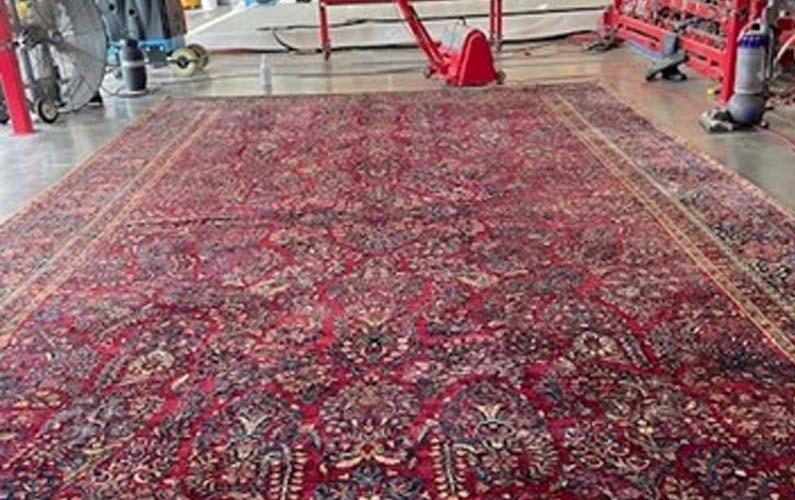
A beautiful area rug can quietly carry the busiest parts of your home: muddy shoes at the entry, family movie nights, pet naps, holiday gatherings, and everyday foot traffic. Proper rug maintenance keeps those moments from becoming permanent wear, odor, color loss, or fiber damage. More than a housekeeping task, it is a practical way to protect an investment and preserve the comfort of your home.
The right routine depends on the rug. A washable synthetic rug in a busy family room needs different care than a hand-knotted wool heirloom, a silk accent rug, or an antique piece with fragile fringe. Still, a few smart habits make a meaningful difference for nearly every rug.
Start With the Right Rug Maintenance Routine
Regular vacuuming is the foundation of good rug care. Dirt is not always visible, but fine grit settles into the pile and works like sandpaper as people walk across it. Over time, that abrasion can dull fibers, flatten texture, and create traffic patterns that cannot be reversed with cleaning alone.
For most rugs, vacuum once or twice a week, with more frequent attention in entryways, dining rooms, and homes with pets. Use suction only or raise the beater bar when possible, especially on wool, handmade, looped, braided, or fringed rugs. An aggressive rotating brush can pull fibers, damage fringe, and prematurely wear the surface.
Vacuum both sides when the rug’s construction allows it. The underside often holds fine dust that works its way up through the fibers. If the rug is delicate, antique, silk, or visibly fragile, skip the underside vacuuming and ask a rug specialist for guidance.
Stop Spills Before They Set
The first few minutes after a spill matter. Blot liquid immediately with clean, white absorbent towels. Press down firmly, then replace the towel as it absorbs moisture. Avoid rubbing. Rubbing pushes a spill deeper into the rug, spreads the affected area, and can distort the pile.
Use plain water cautiously for many fresh food and drink spills, but do not saturate the rug. Excess moisture can reach the backing and floor beneath, leading to browning, mildew, dye migration, or damage to wood flooring. Homemade spot treatments are also a risk. Vinegar, dish soap, peroxide, and store-bought stain removers may seem harmless, yet they can alter color, leave a sticky residue, or weaken natural fibers.
Pet accidents deserve fast attention as well. Blot as much moisture as possible, but remember that surface treatment may not remove contamination that has reached the foundation, padding, or floor. If an odor returns on humid days or the pet revisits the same spot, the rug likely needs professional odor treatment rather than another round of spray cleaner.
Use Rug Pads to Protect Fibers and Floors
A quality rug pad is one of the most overlooked parts of rug maintenance. It helps keep the rug from slipping, reduces stress from foot traffic, cushions the fibers, and supports more even wear. It can also help protect hardwood, tile, and luxury vinyl flooring from scratching and dye transfer.
The pad needs to match both the rug and the floor. A thin, non-slip pad may be appropriate for a low-profile hallway rug, while a thicker felt-and-rubber pad can add comfort and stability beneath a living room or bedroom rug. Avoid using old carpet padding, as it can break down, trap debris, and create uneven support.
A pad should sit slightly inside the rug’s edges so it cannot be seen from above. Check it periodically for deterioration, moisture, or discoloration. Replacing a worn pad is far less costly than dealing with damaged flooring or a prematurely worn rug.
Rotate Rugs Before Traffic Patterns Take Hold
Sunlight and daily traffic rarely affect a rug evenly. The side nearest a window may fade faster, while the path between the sofa and kitchen may become compressed and dull. Rotating a rug every six to twelve months helps distribute that wear more evenly.
The timing depends on where the rug lives. A formal dining room rug may only need an annual rotation. A rug in an active family room, hallway, or entrance may benefit from rotation every few months. If one area already looks noticeably darker, flatter, or more faded, do not wait for the next scheduled rotation.
Watch for direct sunlight, particularly on richly colored wool rugs and rugs with vegetable or natural dyes. Window coverings, UV-filtering film, or adjusting the room layout can reduce fading. Once color loss occurs, cleaning will not restore it, though professional color correction may be possible in certain situations.
Know When a Rug Needs Professional Washing
Vacuuming and quick spill response are essential, but they do not remove the deep soil, allergens, body oils, and residues that settle below the surface. A rug can look fairly clean while holding a surprising amount of embedded debris.
Most homes benefit from professional rug washing every one to three years. Rugs exposed to pets, children, allergies, frequent entertaining, or heavy traffic may need cleaning more often. A rug should also be evaluated sooner if it smells musty, feels stiff or sticky, has recurring spots, sheds unusually, or leaves dirt behind when you lift a corner.
True area rug washing is different from a standard carpet-cleaning appointment. Rugs need to be assessed for fiber type, dye stability, construction, previous treatments, and condition before cleaning begins. Wool, silk, cotton, viscose, jute, synthetics, and handmade rugs each respond differently to moisture, agitation, and cleaning solutions.
At Omaha’s Rug Cleaning and Restoration, rugs are treated as textiles that deserve individual attention, not as wall-to-wall carpet brought into a similar process. Facility-based washing allows for thorough dust removal, controlled cleaning, proper rinsing, and drying methods designed around the rug’s needs.
Address Repair and Moth Damage Early
Small damage becomes expensive damage when it is ignored. Loose fringe, unraveling edges, worn binding, pulled loops, and small holes can spread as the rug is vacuumed or walked on. Early repair often preserves the original structure and helps the rug remain usable for years.
Moth activity is another concern, particularly for wool rugs stored in basements, closets, or low-traffic rooms. Adult moths are not the main problem. Their larvae feed on natural fibers, often in dark, undisturbed areas where food residue, pet hair, and dust are present. Look for uneven bare patches, loose fibers, or tiny web-like material near the rug’s underside.
Do not rely on a quick spray if you suspect moth damage. The rug may need inspection, specialized treatment, cleaning, and repair. Clean rugs are less attractive to moths than rugs holding soil and organic residue, which makes regular care part of long-term prevention.
Store Rugs Clean, Dry, and Rolled
Before placing a rug in storage, have it professionally cleaned if it has seen regular use. Storing soil, food residue, or pet odor creates an invitation for pests and makes stains harder to remove later. The rug must be completely dry before wrapping or storing it.
Roll the rug with the pile facing inward to protect the surface, rather than folding it. Folding creates hard creases that can weaken fibers and be difficult to remove. Store the rolled rug in a dry, climate-controlled place off the floor, away from damp concrete, attic heat, and areas prone to water leaks.
Avoid sealing a rug in plastic for long periods. Rugs need protection from dust and pests, but trapped humidity can create mildew concerns. If you are storing a valuable, antique, or delicate rug, professional preparation offers extra peace of mind.
Give Your Rug Care That Fits Its Life
The best maintenance plan is not necessarily the most complicated one. It is the one that matches your household, your rug’s construction, and the amount of use it receives. Consistent vacuuming, prompt spill response, a proper pad, occasional rotation, and timely professional washing will prevent many common problems before they affect the rug’s beauty or value.
If you are unsure whether a stain, odor, fringe issue, or worn area needs professional help, getting an expert opinion early is usually the safest choice. Your clean rugs are waiting, and thoughtful care now can help them remain part of your home for many years to come.