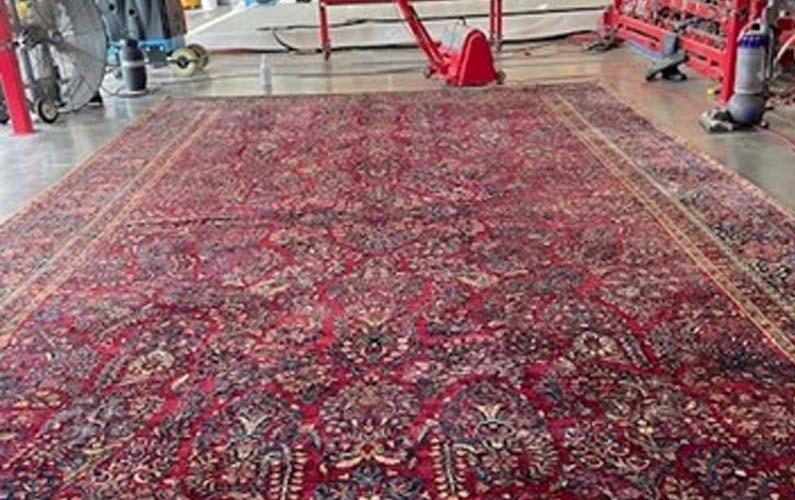
A favorite rug can look suddenly wrong after a spill, an at-home cleaning attempt, sun exposure, or water damage. The reds may have moved into the ivory border. A once-rich blue may look dull and uneven. In these situations, a professional rug color correction service may be able to restore balance while protecting the fibers, design, and value of the rug.
Color work is not simply about making a rug look brighter. It is specialized restoration work that requires an understanding of fiber type, dye stability, construction, age, and prior cleaning history. The right approach depends on what caused the color change in the first place.
What Rug Color Correction Can Address
Color correction is often considered when dyes have bled, faded, transferred, or changed appearance after exposure to moisture or cleaning products. It can be especially valuable for handmade wool rugs, antique rugs, Oriental rugs, and decorative pieces with detailed patterns where a small amount of color movement is easy to see.
One common issue is dye bleed. This happens when an unstable dye releases into nearby fibers, often after a pet accident, a flood, a drink spill, or improper spot treatment. A red field may migrate into a cream fringe or light border, leaving a pink or orange cast behind. The problem can become worse when a homeowner uses too much water, heat, or the wrong cleaning solution.
Fading is different. Nebraska sunlight through a window can gradually weaken certain dyes, particularly on rugs placed near patio doors or in sunny rooms. In some cases, restoration professionals can improve the appearance of uneven fading through careful color application. However, the goal is realistic restoration, not a promise that every faded rug can be returned to a factory-new appearance.
Color changes can also result from residue. Harsh cleaners, bleach, alkaline products, and some store-bought spot removers may alter dye color or leave a dull film that changes how the rug reflects light. Sometimes a thorough, controlled rug washing process removes the residue and improves the color without extensive dye work. That is why a proper inspection comes before any correction plan.
Why Dye Problems Need a Rug Specialist
Area rugs are not wall-to-wall carpet. Their fibers may be wool, silk, cotton, viscose, nylon, polypropylene, or a blend. They may contain natural dyes, synthetic dyes, hand-spun yarns, cotton foundations, latex backing, or delicate fringe. Each material reacts differently to moisture, cleaning chemistry, heat, and color restoration methods.
A general carpet-cleaning approach can create a larger problem when dyes are unstable. Excess moisture can cause colors to run. Strong extraction or high pH products can change the way dyes appear. Aggressive brushing can damage pile and distort the pattern, making color variation look even more noticeable.
A dedicated rug facility allows technicians to inspect the rug closely, test colorfastness, identify fibers, and determine whether discoloration is on the surface, within the yarn, or the result of actual dye loss. That evaluation matters because two rugs with similar-looking stains may need entirely different treatment.
For example, a light-colored wool rug with a red dye bleed may need controlled dye removal and stabilization. A faded synthetic rug may respond differently, and a silk rug may require a much more conservative approach. There is no responsible one-size-fits-all formula.
The Difference Between Cleaning and Color Restoration
Professional washing can remove soil, urine residue, spills, and cleaning-product buildup that make a rug look faded or muddy. Often, restoring the rug’s clean foundation is the first step toward seeing its true colors again.
Color correction begins when cleaning alone cannot resolve the visual issue. Depending on the rug and damage, the process may involve reducing unwanted color migration, blending affected areas, or carefully applying compatible color to restore a more consistent appearance. The work is typically performed in small sections so the technician can maintain control over the result.
Not every rug should be recolored. Some antique rugs are valued for their natural patina, and over-restoration can reduce their character. Other rugs have damaged fibers that cannot hold new color evenly. An experienced specialist should explain the likely outcome, the limitations, and whether the work is worthwhile before moving forward.
What Happens During a Rug Color Correction Service
The process starts with an assessment. A rug care professional looks at the rug’s construction, fiber content, dye condition, previous repairs, stains, odor concerns, and the areas of discoloration. If possible, it also helps to share what happened before the color changed, such as a pet accident, water leak, cleaning attempt, or prolonged sun exposure.
Next comes testing. Small, inconspicuous areas may be checked to see how the dyes and fibers react. This step helps determine whether color can be safely removed, stabilized, or replaced. It is a careful process because the wrong treatment can cause additional bleeding or create a patchy appearance.
The rug may then receive professional washing to remove contaminants that could interfere with restoration. Soil and residues can hide the true condition of the dye, so correction work performed on a dirty rug is rarely a good idea. Proper drying is also essential. Moisture left in the foundation can contribute to odor, browning, mildew risk, and further dye movement.
If color work is recommended, the technician uses methods suited to the rug’s fibers and construction. The goal is to improve the rug’s overall appearance while preserving its original design as closely as possible. Afterward, the rug is reviewed for color consistency and safe drying before it is returned to your home.
When to Call Before the Damage Spreads
Fast action can make a meaningful difference after dye bleed or a water event. If a rug gets soaked from a plumbing issue, appliance leak, pet accident, or stormwater intrusion, avoid folding it, placing it in direct heat, or using a household cleaner to scrub the affected area. These steps can lock in discoloration or push dyes deeper into surrounding yarns.
Instead, blot excess moisture with clean white towels. Do not rub. Keep pets and foot traffic off the rug, and contact a rug specialist as soon as you can. A photo taken in good light can also help with an initial estimate or conversation about next steps.
Sun fading develops more slowly but deserves attention before it becomes severe. Rotate rugs periodically when practical, use window coverings during the strongest afternoon sun, and consider padding that helps reduce wear from movement and foot traffic. Padding will not stop UV exposure, but it supports the rug and can help it wear more evenly over time.
DIY Color Fixes Usually Create Bigger Problems
It is understandable to want a quick solution when a rug’s colors run or fade. Unfortunately, online remedies involving vinegar, dish soap, peroxide, bleach, salt, or heat can be risky. A product that appears harmless on one rug may permanently alter another rug’s dyes or fibers.
Home dye products are also difficult to control. Matching an existing color involves more than choosing a similar shade. The corrected area has to work with the rug’s pile direction, surrounding yarns, age, wear pattern, and lighting. Even a close color match can look obvious when it dries.
If you have already tried a cleaner, do not feel embarrassed. Let the rug professional know what was used and when. That information can help guide testing and avoid incompatible treatment. Honest details support a better restoration plan.
Protecting a Rug After Color Restoration
Once a rug has been corrected, ongoing care helps protect the investment. Regular professional washing removes abrasive grit that dulls fibers and wears down color over time. Prompt treatment of spills and pet accidents can prevent another dye-related issue from developing.
Placement matters, too. Use a quality rug pad to provide support and reduce slipping, keep rugs away from ongoing moisture sources, and manage direct sun where possible. If you are storing a rug, have it professionally cleaned first. Storing a rug with soil, food residue, pet contamination, or moisture can invite odor, staining, and moth damage.
At Omaha’s Rug Cleaning and Restoration, each rug is evaluated based on its own fibers, condition, and restoration needs. Sometimes the right answer is color correction. Sometimes careful washing, repair, or protective care is the better solution. Your rug deserves an honest recommendation that protects both its appearance and its long-term value.
If a rug’s color has changed after a spill, cleaning attempt, or years near a sunny window, do not assume it is beyond saving. A professional evaluation can give you clear options and help you decide what level of restoration makes sense for the rug you bring home every day.