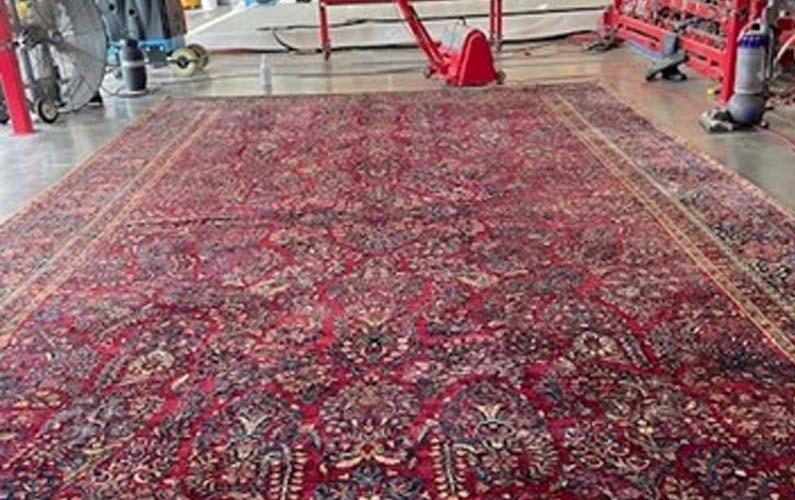
A living room rug may look like carpet, especially when it covers much of the floor. But rug cleaning versus carpet cleaning is not a small distinction in wording. It is the difference between cleaning a fixed floor surface in place and caring for a removable textile that may contain wool, silk, cotton, jute, hand-tied construction, unstable dyes, or a family history worth protecting.
A general carpet-cleaning approach can be useful for wall-to-wall carpet. An area rug, however, often needs a more deliberate process. The right method depends on its fibers, construction, age, condition, backing, dyes, and the type of soil or stain involved. Treating every floor textile the same can leave dirt behind, cause color bleeding, damage fringe, or worsen odor problems below the surface.
Why Rug Cleaning Versus Carpet Cleaning Matters
Wall-to-wall carpet is installed over padding and attached to the floor. It is generally cleaned where it sits using equipment that applies cleaning solution and extracts moisture. This process is designed to refresh carpet fibers, remove everyday soil, and help the carpet dry without disturbing the installation.
An area rug is a separate textile. Dirt does not just settle on its face fibers. Fine grit, pet hair, allergens, and dry soil can work down into the foundation and collect underneath. A rug can look reasonably clean from above while holding pounds of abrasive material that slowly wears away at its fibers each time it is walked on.
That is why a true rug-cleaning process begins with evaluation, not a one-size-fits-all machine. A professional needs to identify the fiber and construction, inspect for weak areas and dye concerns, and understand what happened to the rug before choosing a cleaning method. A wool Oriental rug with hand-knotted fringe should not be handled like a synthetic hallway runner. Neither should a rug with pet urine be treated as though the odor exists only on the surface.
The Main Difference Is How Deep the Cleaning Can Go
Carpet cleaning is often a surface-to-backing extraction process performed in the home. It can be an effective maintenance service for installed carpeting, but it has limits. The cleaner cannot usually remove the carpet, access the underside, or fully address contaminants that have reached the pad or subfloor.
Professional area rug washing allows for a more complete approach. At a dedicated rug-care facility, the rug can be inspected on both sides, dry soil can be removed before washing, and treatments can be selected for the rug’s materials and condition. Washing, rinsing, controlled drying, grooming, and final inspection are performed with the rug itself in mind.
For many rugs, dry soil removal is one of the most valuable parts of the process. Grit acts like sandpaper inside a rug. Vacuuming helps with surface debris, but it may not release the embedded particles that settle deep into a dense pile or woven foundation. Proper dusting or controlled agitation can remove soil before moisture is introduced, helping the washing stage work more effectively.
This does not mean every rug requires the same intensive treatment. Some lightly soiled synthetic rugs may need straightforward cleaning, while antique, handmade, or delicate pieces require more caution. Expert care means doing the work the rug needs, not automatically applying the most aggressive method.
Fibers, Dyes, and Construction Change the Plan
A rug’s material affects nearly every cleaning decision. Synthetic rugs are often more colorfast and forgiving than natural fibers, though their backing can still be sensitive to excess moisture. Wool is durable and naturally soil resistant, but it needs appropriate products, rinsing, and drying. Cotton can shrink or distort. Viscose, silk, and certain plant-based fibers may be especially vulnerable to water marks, texture changes, and color movement.
Construction matters just as much. Hand-knotted and handwoven rugs have foundations that can be damaged by improper handling. Fringes are structural extensions of many rugs, not decorative accessories that should be scrubbed aggressively. Tufted rugs may have adhesive backings that weaken when oversaturated. Older rugs can contain prior repairs, worn fibers, or unstable dyes that need attention before cleaning begins.
A knowledgeable rug specialist looks for these details before making promises about results. Some stains can be dramatically improved. Others may have permanently altered a fiber or dye. Clear expectations protect both the homeowner and the rug.
Color bleeding is a real concern
When a rug gets wet, certain dyes can release and travel into neighboring colors. This is more common in some handmade, antique, or richly colored rugs, particularly after a spill, pet accident, or previous cleaning attempt. Heat, harsh chemicals, and excessive moisture can make the problem worse.
A specialist can test dyes and choose a controlled cleaning process. If color migration has already occurred, color correction may be possible in some cases. It is delicate work, which is one reason a rug should not be treated with an untested household cleaner simply because it resembles carpet.
Pet Odor Requires More Than a Surface Treatment
Pet accidents are one of the clearest examples of why the two services differ. When urine reaches an area rug, it can move through the pile into the foundation, backing, rug pad, and sometimes the floor beneath. As the area becomes humid, odor can return because dried urine salts reactivate.
Spraying the top of the rug may temporarily improve the smell, but it rarely resolves contamination below the fibers. A proper assessment considers the full path of the accident. The rug may need specialized urine treatment and washing, while the pad may need replacement. If moisture reached the floor, that surface may require attention as well.
Homeowners should avoid soaking a rug with store-bought products or using steam indiscriminately on a urine spot. Added moisture and heat can set odors or spread contamination. Blot fresh accidents promptly, keep pets away from the area, and have the rug evaluated before the problem becomes harder to correct.
Restoration Is Not Part of Ordinary Carpet Cleaning
Cleaning removes soil and addresses many stains and odors. Restoration is different. It focuses on preserving the physical condition and appearance of a rug when it has damage or age-related wear.
Common restoration needs include fringe repair, edge binding repair, hole repair, moth damage treatment, color correction, and stabilization of weakened areas. These services are particularly valuable for handmade, heirloom, antique, or high-quality rugs, but even a newer favorite rug may be worth repairing if it fits your home and has years of life left.
Moths deserve special attention in Nebraska homes, especially for wool rugs stored in basements, closets, or low-traffic rooms. Adult moths are not the main threat. Their larvae feed on animal fibers, often where rugs are undisturbed and soiled. Cleaning before storage, checking rugs periodically, and addressing suspected activity early can help prevent costly loss.
When Carpet Cleaning May Be Enough in Omaha, Nebraska Homes
If you have installed wall-to-wall carpet with routine traffic soil, professional carpet cleaning is usually the appropriate service. It is designed for that setting and can help refresh the room without removing flooring.
A low-cost synthetic accent rug in good condition may also be suitable for a simpler cleaning approach, depending on its backing and care label. Still, the fact that a rug is inexpensive does not mean it is risk-free to clean. Rubber, latex, and glued backings can react poorly to moisture, while certain printed designs may fade or bleed.
The best decision comes from knowing what your rug is made of and what it has been through. A free estimate and inspection can prevent a well-meaning cleaning attempt from creating a more expensive repair issue.
Protect the Rug Between Professional Washings
Regular vacuuming is one of the easiest ways to preserve a rug, especially in entryways, dining areas, and homes with pets. Use a setting that does not pull at fringe, and vacuum both sides when appropriate for the rug’s construction. Rotate rugs periodically to spread out sun exposure and foot traffic.
A quality rug pad also helps. It reduces slipping, cushions fibers against hard flooring, supports even wear, and can provide valuable protection from pet accidents or everyday movement. For rugs over hardwood, the right pad can help protect both the rug and the floor below.
Spills should be blotted, never rubbed. Use a clean white towel, work from the outer edge toward the center, and avoid experimenting with multiple cleaners. The more products added to a stain, the harder it can be to safely evaluate and remove later.
Your rug does more than cover a floor. It adds warmth, color, comfort, and often a sense of home that cannot be replaced by an off-the-shelf furnishing. When it needs more than a quick refresh, Omaha’s Rug Cleaning and Restoration can help you choose care that respects the investment beneath your feet. Your clean rugs are waiting.