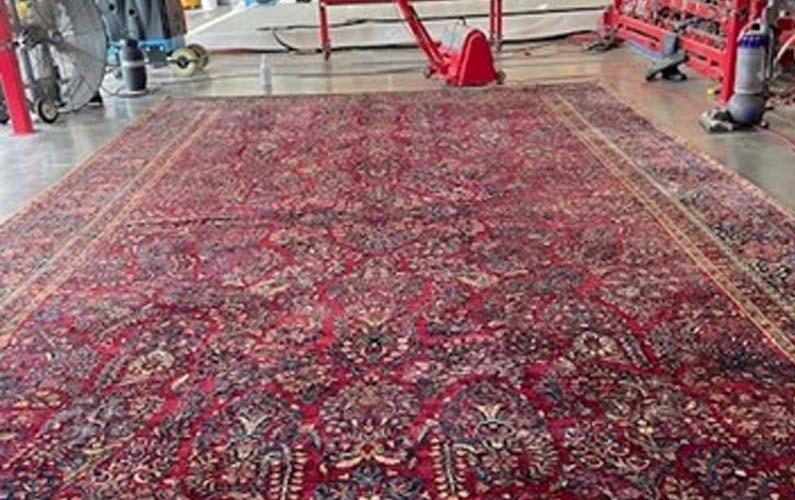
A pet accident can look small on the surface, then become impossible to ignore a few days later. The odor returns when the room is warm, humid, or closed up, and the rug may seem clean even though urine remains deep in its fibers and foundation. Professional pet urine odor removal is designed to address that hidden contamination, not simply cover the smell with fragrance.
For area rugs, especially wool, handmade, antique, and valuable decorative rugs, the right response matters. Pet urine can affect dyes, weaken fibers, damage backing materials, and soak through to the rug pad and flooring below. A specialized rug-care process gives the rug the careful attention it needs while protecting your investment whenever restoration is possible.
Why Pet Urine Odor Comes Back
Fresh urine is mostly water, but it does not stay that way. As it dries, it leaves behind concentrated salts and organic residue. Those deposits can continue to release odor when moisture in the air reactivates them. That is why a rug may smell fine after a quick spot treatment, then suddenly smell like urine again after a rainy Nebraska day or when the heat is running.
Household cleaners can improve the appearance of a stain without reaching the contamination below it. In many area rugs, urine travels beyond the face fibers into the foundation, backing, fringe, pad, and sometimes the subfloor. If only the visible spot is treated, the source remains.
Odor can also become more difficult to remove over time. Repeated accidents in the same area build layers of residue, and pets may be drawn back to the scent even when people can no longer detect it. Prompt attention gives a rug the best chance for successful odor treatment and preservation.
What Professional Pet Urine Odor Removal Addresses
True odor removal begins with identifying the full extent of the problem. A qualified rug specialist inspects the face yarns, construction, dyes, backing, and affected areas before choosing a treatment plan. This is particularly important for rugs made of wool, silk, viscose, cotton, or natural fibers, which can react differently to moisture, cleaning agents, and agitation.
The goal is not to make a rug smell perfumed. It is to flush out urine residue and apply appropriate odor treatment where contamination is present. Depending on the rug, that can involve targeted treatment, controlled washing, specialized rinsing, and thorough drying. The cleaning method should match the rug’s materials and condition rather than follow a one-size-fits-all carpet-cleaning approach.
Professional care also considers what is underneath the rug. If urine has reached the pad or floor, treating the rug alone may not solve the odor in the room. In some cases, a contaminated pad needs replacement, while flooring may need separate cleaning or odor control. Honest guidance is part of the service. No one benefits from treating only one piece of a larger problem.
Area Rug Washing Versus Surface Cleaning
Surface cleaning has a place for routine maintenance and minor fresh spots, but it cannot always remove a deep urine load. A rug with recurring odor generally needs more than a spray-and-extract service in the home. Facility-based washing allows for more controlled treatment, better flushing, and drying conditions suited to area rugs.
That distinction is especially valuable for rugs with a dense pile, thick foundation, or heavy pet contamination. A rug can hold a surprising amount of residue beneath the visible surface. Proper washing helps remove what a topical treatment cannot reach.
Still, every rug requires an individual assessment. Some older rugs have pre-existing dye instability, weakened fibers, dry rot, or previous chemical damage. In those cases, the safest plan may involve a more conservative approach. A reputable specialist will explain the expected results and any risks before work begins.
Signs Your Rug Needs Expert Odor Treatment
The clearest sign is recurring odor after home cleaning. If the smell returns after the rug gets damp, if guests notice it when entering the room, or if your pet repeatedly targets the same spot, there is likely contamination below the face fibers.
Other warning signs include yellowing or browning, stiff patches, color change, a crunchy feel after drying, or a musty odor mixed with urine. Do not assume a rug is beyond saving because it smells strong. Many rugs respond well to professional treatment, particularly when addressed before repeated accidents and long-term residue cause more damage.
A free estimate can help you decide whether treatment makes sense for your specific rug. The value of the rug, its construction, its age, the severity of contamination, and whether the pad or floor is affected all factor into the recommendation.
What to Do Before Your Rug Is Cleaned
If an accident has just happened, blot the area with clean white towels. Press firmly to absorb moisture, but avoid rubbing. Rubbing can spread urine outward and work it deeper into the pile. If possible, place a towel beneath the rug as well, then blot from the top to reduce moisture reaching the floor.
Avoid steam, high heat, bleach, and strong store-bought deodorizers. Heat can set stains, bleach can permanently alter color and weaken fibers, and fragrance products often mask the odor while adding residue. It is also wise to avoid soaking a rug with water. Excess moisture can migrate through the rug, affect dyes, and create additional drying concerns.
If you use a home enzyme product, follow the label carefully and test a small hidden area first. These products can be useful for a very fresh, small accident on some synthetic rugs, but they are not automatically safe or sufficient for every textile. Handmade and natural-fiber rugs deserve extra caution.
Once the area is dry, keep pets away from the rug if you can. Then arrange an evaluation. A clear description of where the accident happened, whether it has occurred more than once, and what products were already used helps the cleaning team choose the most appropriate treatment.
Protecting the Rug, Pad, and Floor Going Forward
After professional cleaning, prevention is the best protection. A quality rug pad helps cushion the rug, reduce movement, and create a layer between the textile and the floor. It is not a guarantee against pet accidents, but it can help limit direct contact and makes it easier to evaluate whether moisture reached the flooring.
Regular professional washing is also a practical part of rug preservation for homes with pets. Dirt, hair, allergens, and pet oils collect in the pile over time, while small spots can become larger problems when ignored. The right schedule depends on the number of pets, the rug’s location, and how heavily the room is used. A rug near a door, food bowl, or favorite pet sleeping area often needs more frequent attention than a formal dining room rug.
For households managing ongoing accidents, it may be worth temporarily moving a valuable rug out of the pet’s usual area while training or veterinary concerns are addressed. That is not an admission of defeat. It is a smart way to preserve a textile that may hold both financial value and family memories.
A Better Way to Care for a Rug You Love
At Omaha’s Rug Cleaning and Restoration, pet odor treatment begins with respect for the rug itself. More than 20 years of specialized experience means looking beyond the stain and considering the fibers, dyes, construction, pad, and condition of the entire piece. Pickup and delivery or convenient drop-off can make the process easier when a rug needs more than an at-home fix.
A clean rug should make your home feel comfortable again, not leave you waiting for the next humid day to find out whether the odor is still there. If pet urine has changed the way you use a room or worry about a rug you value, asking for expert guidance now can help protect it for the years ahead.