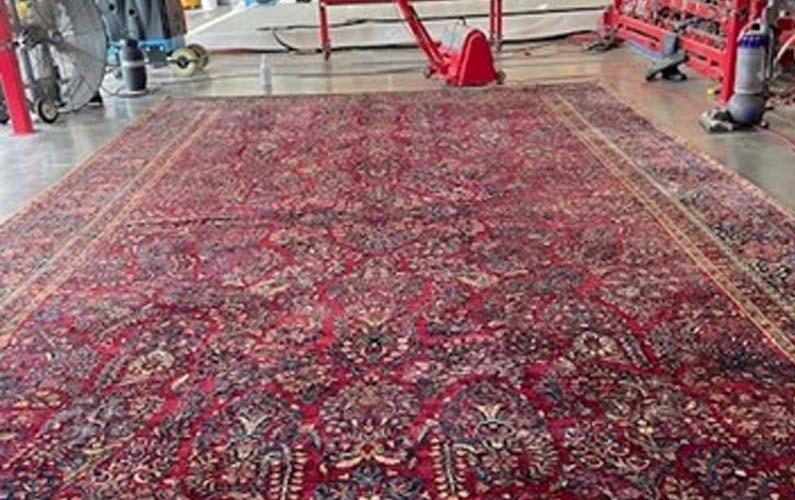
A pet urine barrier rug pad can be a smart layer of protection between a beloved area rug and the hardwood, luxury vinyl, tile, or laminate beneath it. For pet households, that extra layer matters. A small accident that reaches a wood floor can leave behind odor, discoloration, or moisture damage long after the visible spot on the rug appears to be gone.
Still, a barrier pad is not a substitute for proper urine treatment. It is designed to help protect the floor, not to keep urine from entering the rug itself. Understanding that distinction can help you choose the right padding, respond quickly after accidents, and protect an area rug that may be an important part of your home.
What a Pet Urine Barrier Rug Pad Does
A pet urine barrier rug pad has a moisture-resistant backing or membrane that helps keep liquid from passing through the pad and onto the floor. When used beneath an area rug, it can provide valuable protection in homes with puppies, senior pets, cats that occasionally miss the litter box, or animals adjusting to a new space.
The pad also provides the benefits expected from quality rug padding. It adds cushioning underfoot, helps reduce shifting and bunching, and can lessen wear caused by foot traffic. A rug that stays in place experiences less friction at its edges and is generally more comfortable to walk on.
For a family room rug over hardwood, a waterproof or moisture-resistant barrier may be especially helpful. The same is true for rugs in pet sleeping areas, near entry doors, or beneath feeding stations where water spills and accidents are more likely. The right pad creates a first line of defense for the floor, giving you more time to find and address a problem.
What a Pet Urine Barrier Rug Pad Cannot Do
The word barrier can create unrealistic expectations. If urine lands on the face of a rug, the rug fibers, foundation, backing, and fringe can still absorb it. On a handmade wool rug, the liquid may travel through the pile and settle deep in the foundation. On some machine-made rugs, it can reach the glued backing, where odor may become difficult to remove.
A barrier pad may keep that moisture from reaching the floor, but it does not make the rug urine-proof. If the rug is left untreated, bacteria and urine salts can remain in the textile. The odor may become more noticeable when humidity rises, and a pet may return to the same spot because scent cues remain.
There is also a trade-off with less breathable pad materials. When an accident happens and moisture is trapped between the rug and barrier, both the rug and pad need attention. Leaving a wet rug in place can encourage odor, color transfer, backing damage, or mold concerns. A barrier pad protects best when it is part of a prompt cleanup plan.
Choosing the Right Pet Urine Barrier Rug Pad
The best rug pad depends on the rug, the floor, and the amount of moisture risk in the room. A thin pad may be appropriate under a low-profile hallway rug, while a thicker cushioning pad may suit a larger wool rug in a living room. The pad should be cut slightly smaller than the rug on all sides so it remains hidden and allows the rug edges to lie flat.
Pay close attention to the surface beneath the rug. Hardwood and certain finishes can react badly to low-quality rubber, PVC, adhesives, or plasticizers. A pad that leaves a sticky residue, stains a floor finish, or bonds to the surface can create an expensive problem. This is one reason a pad should never be chosen only by price or by a generic label that claims it is safe for every floor.
For valuable, antique, handmade, or delicate rugs, the pad should offer support without placing harsh materials directly against the rug’s backing. A dense, quality pad can help reduce abrasion and improve the rug’s performance over time. If the rug has uneven wear, fragile fringe, repairs, or a sensitive foundation, choosing padding deserves the same care as choosing a cleaning method.
Consider these practical questions before buying:
- Is the rug on finished hardwood, vinyl, tile, laminate, concrete, or carpet?
- Is the rug handmade, wool, silk, tufted, machine-made, or washable?
- Are accidents occasional, frequent, or connected to a specific pet health issue?
- Does the room need more cushion, more grip, or primarily moisture protection?
A custom-cut pad is often the cleanest solution because it is fitted to the rug rather than folded, overlapped, or trimmed unevenly at home. It also helps prevent visible pad edges and trip hazards.
What to Do When Urine Reaches the Rug
Speed matters. Begin by blotting the affected area with clean white towels. Press firmly to absorb moisture, but do not scrub. Scrubbing can push urine deeper into the fibers, spread the affected area, and distort the rug pile.
If the accident is fresh and the rug can be lifted safely, check underneath right away. Remove the rug from the pad and inspect the floor, the pad, and the rug backing. Wipe the floor dry, then allow the rug and pad to air out separately. Do not return either one to the floor until they are completely dry.
Avoid saturating the rug with store-bought spot cleaners, vinegar, perfume sprays, or excessive water. These methods may mask an odor temporarily, but they can also cause color bleeding, dye migration, browning, residue buildup, or damage to wool and specialty fibers. Products that are safe for synthetic wall-to-wall carpet are not automatically safe for an area rug.
When the urine has reached the foundation, when odor returns after drying, or when the rug is valuable, professional washing is often the right next step. Effective odor treatment requires addressing contamination throughout the rug, not just cleaning the surface fibers. Facility-based rug washing allows the rug to be inspected, treated for its fiber type and construction, thoroughly rinsed, and dried under controlled conditions.
Keep the Pad Clean, Too
A urine barrier pad should be inspected after every accident. Even if it prevented liquid from reaching the floor, the upper surface of the pad may have absorbed or held moisture against the rug. Depending on its material and condition, it may be cleaned, deodorized, or replaced.
Replacement is often the wiser choice when a pad retains odor, has deteriorated, feels tacky, or cannot be fully dried and cleaned. Reusing a contaminated pad beneath a freshly washed rug can reintroduce odor into the space and undermine the work done to preserve the rug.
It is also helpful to lift rugs periodically in high-risk pet areas. This gives you a chance to check for moisture, floor finish changes, insect activity, and padding breakdown before a small concern becomes a larger restoration issue.
Protecting Rugs in Real Pet Homes
Pets and beautiful rugs can absolutely share a home. The goal is not to create a perfect house where no accident ever happens. It is to build sensible protection into the places where life happens most often.
A quality barrier pad, prompt blotting, and professional care when odor has penetrated the rug can protect both your flooring and the rug you chose for your home. For homeowners in Omaha, Lincoln, and nearby Nebraska communities, Omaha’s Rug Cleaning and Restoration can help assess urine concerns, recommend appropriate custom-cut padding, and determine whether a rug needs full washing rather than another surface spot treatment.
Your rug does not have to be treated as disposable after a pet accident. With the right padding and timely care, it can remain a comfortable, clean, and well-protected part of your home for years to come.