A wool rug can look perfectly fine when it is packed away, then come out months later with moth damage, musty odors, color changes, or permanent folds. Learning how to store wool rugs safely protects more than a floor covering. It helps preserve a handmade textile, a family piece, or an investment you expect to enjoy again.
The biggest storage mistakes are usually simple: putting a rug away before it is fully clean and dry, folding it to save space, or leaving it unprotected in a damp basement or hot attic. A little preparation goes a long way, especially through Nebraska’s humid summers, cold winters, and shifting indoor conditions.
Start With a Clean, Completely Dry Rug
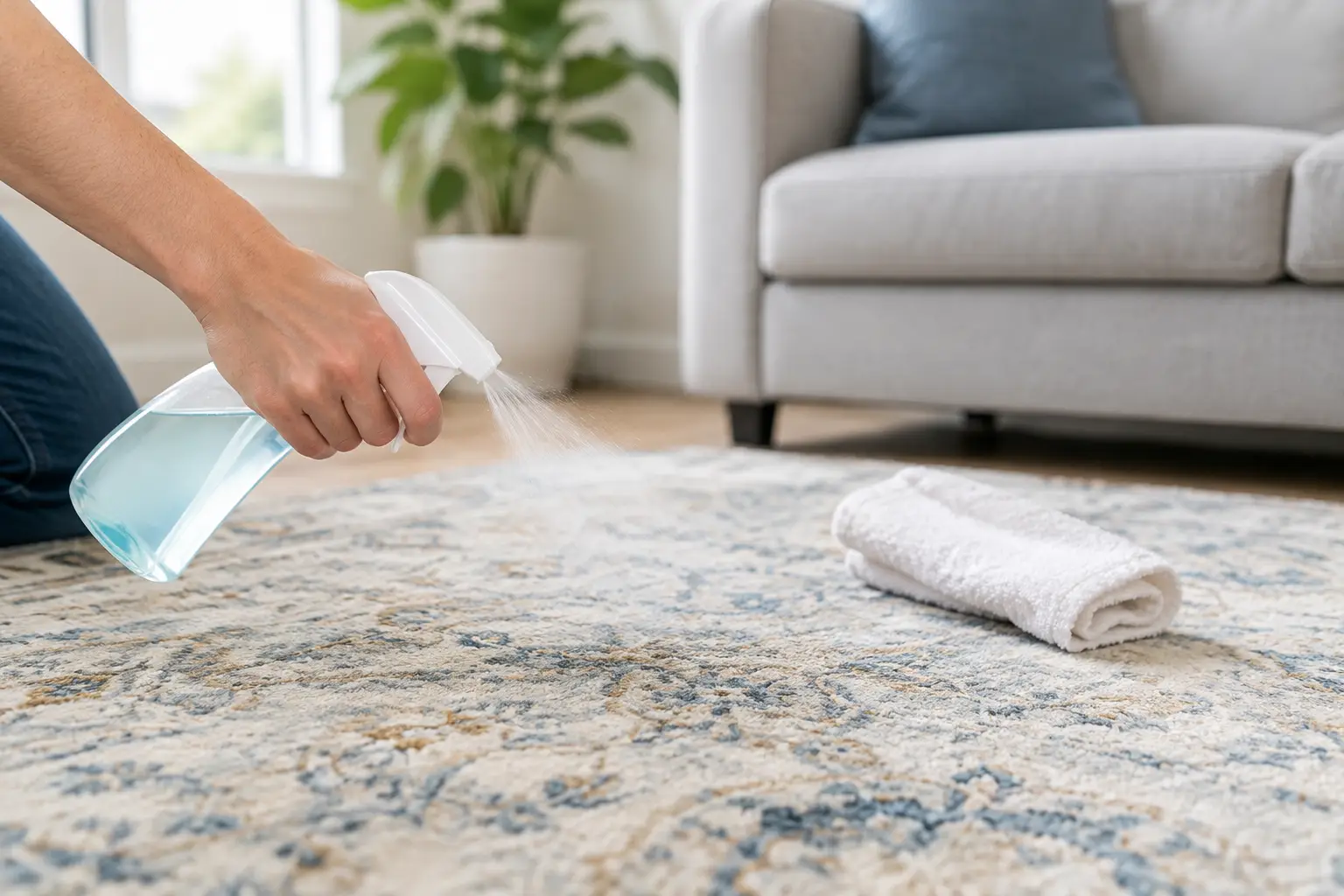
Never store a wool rug with soil, pet hair, food residue, or moisture in the fibers. Even when a rug does not look dirty, fine grit settles deep into the pile and acts like sandpaper when the rug is handled or moved. Oils, spills, and pet accidents can also attract insects or develop into stubborn odors during storage.
Vacuum both sides carefully before packing the rug. Use suction only when possible, particularly around fringe. A beater bar can pull, fray, or weaken delicate fringe and may be too aggressive for older rugs, hand-knotted pieces, or rugs with a low pile.
If the rug has a stain, lingering odor, visible pet contamination, or has not been professionally washed in several years, arrange cleaning before storage. Surface vacuuming is helpful, but it cannot remove contaminants embedded in the foundation fibers. Professional rug washing is especially worthwhile for wool, antique, oriental, and handmade rugs because the cleaning and drying process needs to match the rug’s construction and dyes.
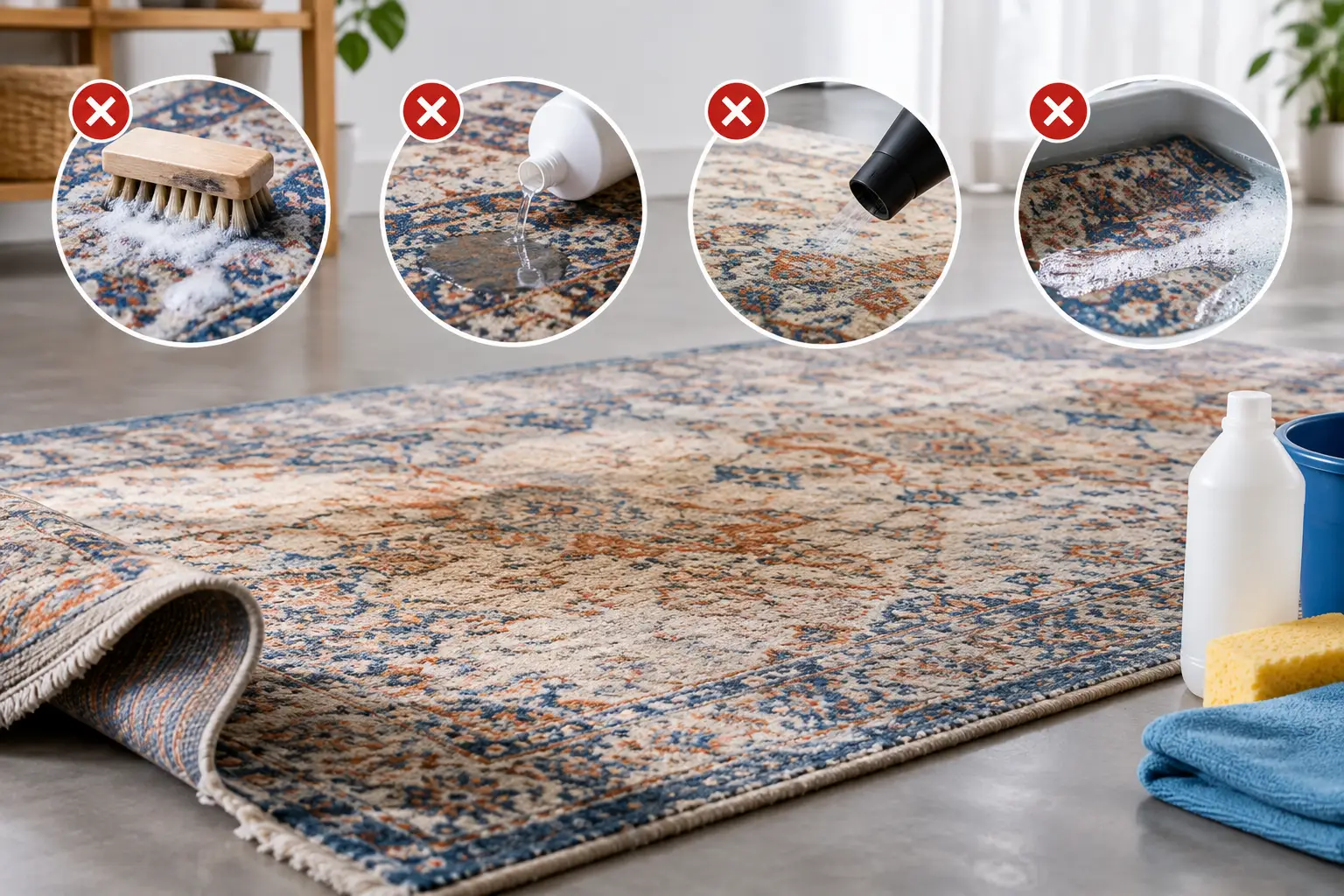
Drying is not a step to rush. A rug that feels dry on the surface may still hold moisture in its backing, foundation, or dense pile. That trapped moisture can encourage mildew, create a musty smell, and weaken natural fibers. After any cleaning, allow the rug to dry fully in moving air before wrapping it. Avoid direct, intense sunlight for extended periods, which can fade some colors.
How to Store Wool Rugs Safely: Roll, Do Not Fold
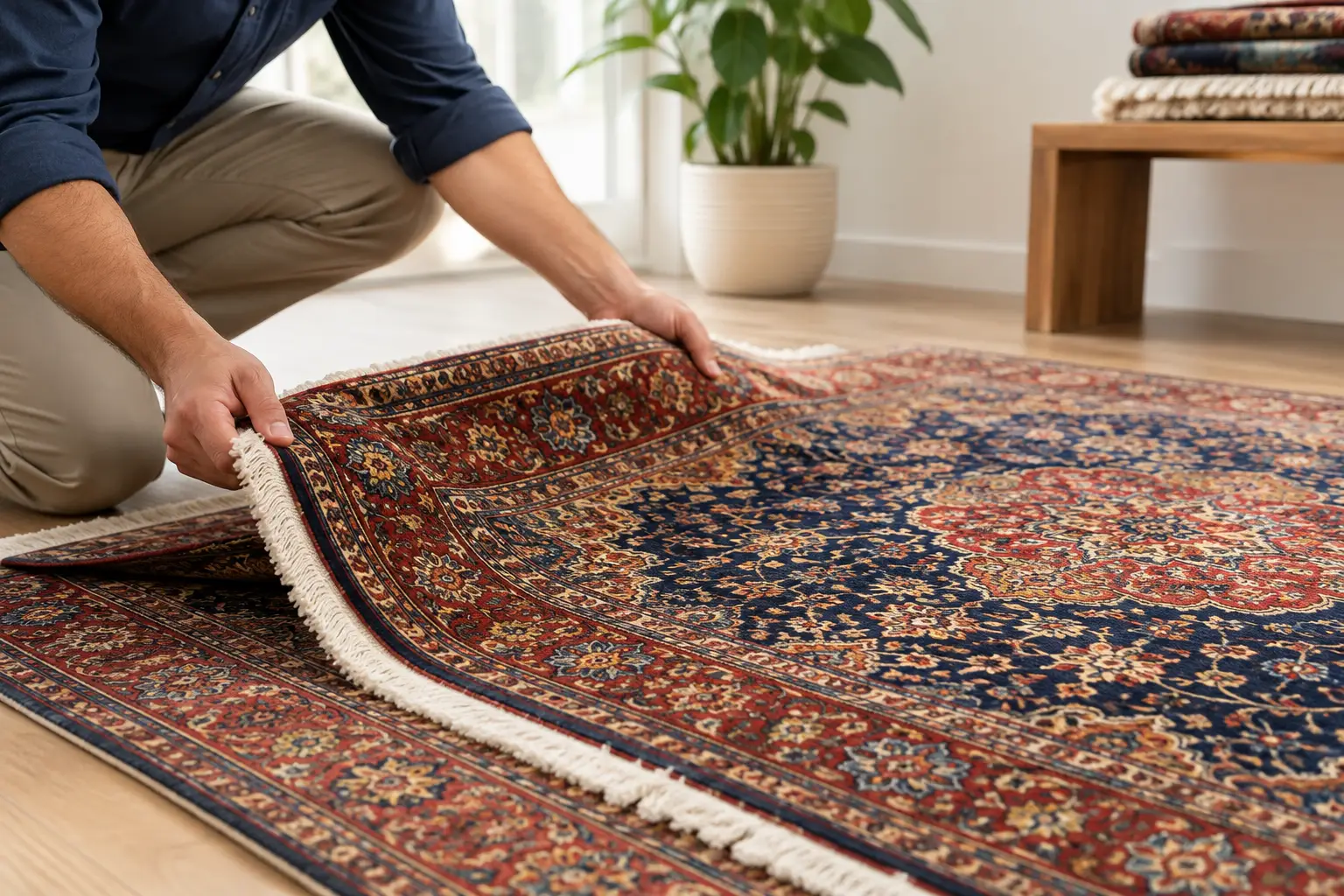
Roll the rug rather than folding it. Folding creates sharp stress points in wool fibers and can leave difficult creases, especially when a rug stays packed for a season or longer. Folding may also crack or distort a rug’s backing if it has one.
Lay the rug face down on a clean, dry floor. Starting at one short end, roll it evenly and snugly, but do not pull it so tight that the edges bend or the pile becomes compressed. Rolling with the pile facing inward adds another layer of protection to the visible surface.
For larger or heavier rugs, use a clean cardboard tube or rug-storage core if one is available. The core helps the roll hold its shape and prevents a tight center bend. Do not use a tube that is dirty, damp, or likely to transfer ink, glue, or residue to the rug.
Once rolled, secure the rug loosely with cotton twill tape, clean fabric strips, or soft ties in a few places. Do not use rubber bands, string, or tight plastic ties. They can leave pressure marks and may damage fringe. Keep fringe tucked gently inside the roll rather than allowing it to hang exposed.
Choose Breathable Protection Over Plastic
A wool rug needs protection from dust and pests, but it also needs to breathe. Wrap the rolled rug in a clean cotton sheet, muslin, or a purpose-made breathable rug-storage cover. This creates a barrier against dust while allowing normal airflow around natural fibers.
Plastic wrap and sealed plastic bags are tempting because they seem secure. For short-term transport, plastic can be useful if the rug is completely dry. For long-term storage, however, plastic can trap moisture from the rug or surrounding air. That raises the risk of mildew, stale odors, and moisture-related damage.
If you must use plastic temporarily, leave openings for airflow and move the rug into breathable wrapping as soon as possible. Never wrap a rug in plastic after cleaning unless you are certain it has dried all the way through.
Avoid newspaper, colored tissue paper, and materials with inks or dyes that could transfer. Cedar chests are not automatically safe either. Cedar may discourage some insects, but direct contact can transfer oils or leave an odor in a wool rug. A breathable barrier should always separate the rug from unfinished wood.
Store It in a Stable, Dry Location
The best place for a stored wool rug is clean, dry, dark, and climate-controlled. A spare closet, interior room, or conditioned storage area is generally safer than a garage, shed, attic, or unfinished basement.
Basements deserve extra caution in Omaha-area homes. Even a basement that feels dry can experience seasonal humidity, minor leaks, or moisture along concrete walls and floors. Never place a rolled rug directly on concrete. Set it on a shelf, pallet, or other raised surface that keeps it well above potential water. Keep it away from exterior walls, plumbing lines, floor drains, and windows.
Attics and garages can expose wool to major temperature swings. High heat can dry out fibers, while cold-to-warm shifts can create condensation inside wrapping. These spaces are also more likely to have rodents and insects. If off-site storage is the only option, choose a climate-controlled unit and keep the rug elevated from the floor.
Store the rug horizontally when practical, with nothing heavy stacked on top. Long-term weight can flatten the pile and distort the roll. For an unusually large rug that must stand upright, support it evenly and check it more often so it does not slump or develop pressure points.
Protect Against Moths and Other Pests
Clothes moths and carpet beetles are drawn to natural animal fibers, especially wool rugs with food residue, body oils, pet hair, or dust. The adult moths are not the primary problem. Their larvae feed on wool and can leave bare patches, weak spots, and damaged fringe.
Cleanliness is the first defense. Before storing, inspect the rug closely for small bald areas, loose fibers, webbing, shed skins, or insect activity. Check the storage space as well. A clean rug placed in a neglected closet can still be vulnerable.
Avoid relying on mothballs. Their odor is unpleasant, and the chemicals can be hazardous around children and pets when used incorrectly. They also do not replace cleaning, inspection, and proper storage. Cedar products may offer limited deterrence, but they are not a dependable treatment for an active infestation.
For valuable wool rugs, professional moth treatment and a careful inspection can provide greater peace of mind before long-term storage. If you suspect moth damage, do not simply wrap the rug and hope for the best. Addressing the issue early helps prevent larvae from continuing to damage the fibers in storage.
Check the Rug During Long-Term Storage
A rug stored for more than a few months should not be forgotten. Every three to six months, unwrap enough of it to check for dampness, unusual odors, insect activity, or signs of rodents. Look at the outer wrapping and the storage area too. A water stain on a wall or a damp smell in the room is a reason to move the rug promptly.
When you inspect it, unroll the rug briefly and reverse the roll direction if it has been stored for a year or longer. This reduces the chance of a persistent curl. Let the rug air out in a clean, dry indoor space before wrapping it again.
When Expert Care Makes Sense
Some rugs need more preparation than others. Antique wool rugs, silk-and-wool blends, heirloom pieces, hand-knotted rugs, and rugs affected by pets or moths should be evaluated before storage. Their dye stability, fringe, foundation, and prior repairs can all affect the safest cleaning and wrapping approach.
Omaha’s Rug Cleaning and Restoration can professionally wash, treat, and prepare valuable rugs for storage, including rugs with odor concerns, stains, moth activity, or delicate repairs. With more than 20 years of specialized rug-care experience, the goal is simple: preserve the rug so it is ready for your home when the season, renovation, or move is over.
Before you put a wool rug away, give it the same consideration you would give a favorite quilt or family photograph. Clean fibers, complete drying, breathable wrapping, and a dry storage space can prevent the kind of damage that is far harder to repair later.