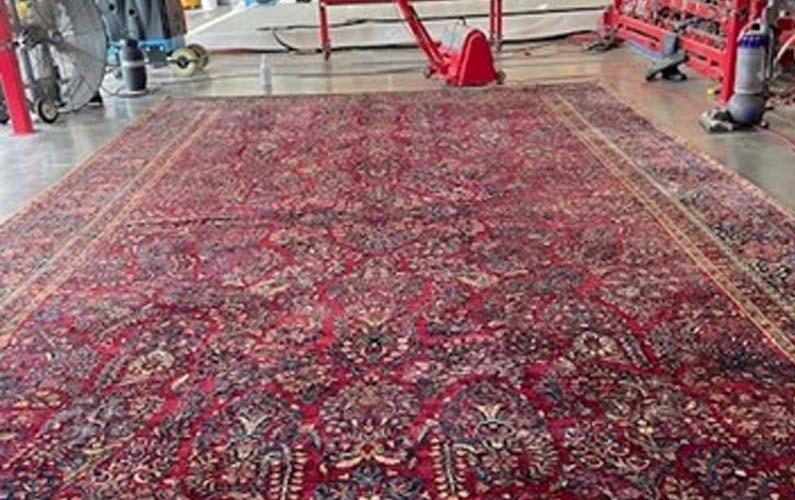
A wet rug can go from a manageable household problem to a costly restoration issue faster than many homeowners expect. Whether the cause is a pet accident, an overflowing sink, a basement leak, or a soaked entryway after a Nebraska storm, knowing how to dry wet rugs properly protects more than the rug itself. It also helps protect your flooring, indoor air quality, and the value of a textile you may have chosen carefully.
The goal is not simply to make the surface feel dry. Moisture can remain deep in the pile, foundation, backing, and pad long after the top looks fine. That trapped moisture can lead to odors, dye bleeding, mildew, mold, backing damage, and floor discoloration. Quick action matters, but the right method depends on the rug’s material, construction, and how saturated it is.
First, Find Out What Made the Rug Wet
Before you begin drying, consider the source of the water. Clean water from a small spill, a wet shoe, or a recently cleaned rug can often be handled at home if addressed right away. Water from a toilet overflow, sewer backup, floodwater, or a long-standing leak is different. It may contain bacteria or contaminants that make home drying unsafe and may require professional cleaning or disposal.
Also consider how long the rug has been wet. A damp cotton bath rug caught quickly is one thing. A wool area rug that sat on a wet pad overnight is another. The longer moisture remains in the rug, the more likely it is that odors, color loss, and structural damage will develop.
If you are unsure whether water reached the floor underneath, carefully lift one corner. Check the rug backing, pad, and flooring for dampness. A rug can feel dry on top while still holding enough water underneath to damage hardwood, laminate, or subflooring.
Remove Moisture Before You Add Air
Fans help, but they work much better after you have removed as much water as possible. Start by moving furniture off the rug if it is safe to do so. Place aluminum foil, plastic tabs, or small blocks beneath furniture legs if the pieces cannot be moved immediately. This helps prevent wood stain, rust, or dye transfer onto the wet textile.
For a lightly wet rug, press clean white towels firmly into the affected area. Stand on the towels to increase absorption, then replace them as they become saturated. Avoid rubbing. Rubbing can push moisture deeper into the fibers and may distort the pile or spread a stain.
For a larger water event, use a wet-dry vacuum to extract water from the rug’s surface. Make slow, overlapping passes in several directions. Do not use a standard household vacuum on a wet rug, and do not overwork delicate fringe. Vacuum extraction is especially helpful for synthetic rugs, but handmade, antique, wool, silk, viscose, and jute rugs need more caution.
If the rug is fully soaked, do not try to wring it out or fold it while wet. Pulling, twisting, and folding can stretch the foundation, crack backing materials, and cause dyes to migrate. A saturated rug can also be surprisingly heavy. Get help before attempting to move it.
How to Dry Wet Rugs Safely at Home
Once you have extracted as much water as possible, create steady airflow and reduce humidity. If weather permits, open windows. Run ceiling fans, box fans, or air movers so they blow across the rug rather than directly into one small spot. A dehumidifier is especially useful in basements, closed rooms, and humid weather because it removes moisture from the air instead of simply moving it around.
If the rug can be moved safely, place it in a clean, dry area with good air circulation. Ideally, elevate it on a drying rack, clean chairs, or other supports that allow air to reach both sides. If it must remain on the floor, lift and rotate sections periodically so the underside can dry as well.
Check the rug every few hours. Feel the backing and the pad, not just the fibers. If towels underneath become damp, replace them. Continue ventilation until the rug, pad, and floor are completely dry.
Be Careful With Direct Sun and Heat
Warmth can speed drying, but excessive heat can cause permanent problems. Avoid placing a rug directly against a radiator, using a hair dryer at close range, or setting a space heater directly on the rug. High heat can shrink natural fibers, harden latex backing, weaken adhesives, and cause colors to fade or bleed.
Direct sunlight is also a trade-off. A short period of indirect or gentle sunlight may help with a small washable synthetic rug, but strong sun can fade dyes and dry the surface faster than the foundation. That uneven drying can leave a rug feeling stiff or distorted. For valuable rugs, controlled airflow is safer than intense heat.
Material Matters More Than Most Homeowners Realize
A machine-made polypropylene or nylon rug generally tolerates moisture better than a handmade wool rug, but every rug deserves careful handling. The backing and pad often determine the true risk.
Wool is naturally resilient, but it can absorb a great deal of water. When left damp, wool can develop a musty odor and may experience dye bleeding, browning, or changes in texture. Silk and viscose are even more sensitive. Water can leave rings, alter the sheen, and weaken fibers. Jute, sisal, and seagrass rugs are particularly vulnerable because their plant fibers can stain, darken, shrink, or become brittle when wet.
Rugs with glued-on backing, cotton foundations, latex coatings, or fringe require attention as well. Latex can break down after saturation, while cotton can shrink and pull the rug out of shape. Fringe may tangle or discolor if left wet. If you own an antique, hand-knotted, handwoven, silk, viscose, or heirloom rug, professional assessment is usually the safest choice after significant water exposure.
Do Not Forget the Rug Pad and Floor
A wet rug pad can hold moisture against the floor long after the rug has dried. This is one of the most common reasons homeowners discover mildew odors or damage to hardwood beneath an area rug. Remove the pad whenever possible and dry it separately. Many inexpensive foam pads are difficult to dry completely and may need replacement after heavy saturation.
Inspect the flooring carefully. On hardwood, wipe away standing water immediately and use fans and a dehumidifier to dry the area gradually. Fast, intense heat may cause boards to cup or crack. On carpet, check whether water soaked through the rug and into the carpet pad below. On laminate and engineered flooring, pay close attention to seams and edges, where moisture can cause swelling.
If the floor remains damp, feels soft, or shows warping or discoloration, the issue may extend beyond the rug. Addressing it early can prevent a much larger repair later.
When Home Drying Is Not Enough
Call a rug-care professional when a rug is saturated, has been wet for more than 24 hours, smells musty, shows dye movement, or was exposed to contaminated water. You should also seek help if the rug is valuable, handmade, antique, made of silk or viscose, or has a delicate foundation or fringe.
Professional facility-based rug washing and drying is different from simply running a carpet-cleaning machine over the surface. Proper rug care can include controlled washing, moisture extraction, odor treatment, color stabilization, and managed drying designed for the rug’s specific fiber and construction. That level of care is particularly valuable when pet urine, floodwater, or a hidden leak has affected the rug.
Omaha’s Rug Cleaning and Restoration has more than 20 years of experience caring for area rugs as investments, not interchangeable household furnishings. If you are concerned about water damage, a prompt assessment can help determine whether the rug needs drying, washing, odor treatment, repair, or only simple at-home care.
A Few Mistakes to Avoid
Do not roll up a wet rug and leave it in a garage, basement, or vehicle. That traps moisture and can create a strong odor quickly. Do not use bleach, household disinfectants, or heavy powders without knowing how they will react with the fibers and dyes. And do not assume a dry surface means the entire rug is dry.
The best time to protect a wet rug is before odors and damage take hold. Start extracting moisture right away, give both sides of the rug steady airflow, and pay close attention to the pad and floor underneath. When the rug is too valuable or too wet to risk, expert care can preserve the piece you chose for your home and the memories it carries.