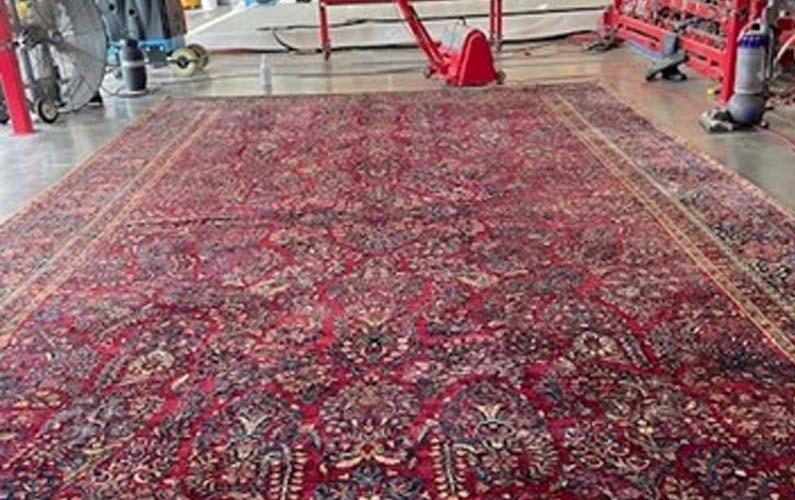
A rug can look clean long after it has started holding the things you do not want in your home: fine grit, pet dander, pollen, body oils, food residue, and moisture from everyday life. So, how often should area rugs be cleaned? For most Omaha households, professional washing every 12 to 18 months is a dependable baseline. Rugs in busy homes, however, often need attention sooner.
The right schedule is not about making a rug look freshly vacuumed. It is about removing the soil trapped deep in the pile before it wears fibers down, dulls color, or contributes to lingering odors. A well-made rug can be a meaningful investment, an heirloom, or simply the piece that makes a room feel like home. It deserves care based on how it is actually used.
How Often Should Area Rugs Be Cleaned?
For an area rug in a low-traffic room with no pets or young children, professional cleaning every 18 to 24 months may be enough. Think of a formal dining room, guest room, or other space where the rug is protected from daily shoes, spills, and heavy activity.
For rugs in living rooms, bedrooms, hallways, and family spaces, plan on professional washing about every 12 to 18 months. These rugs collect more dry soil than most homeowners realize. Nebraska weather can make that worse, especially when snowmelt, mud, road salt, and seasonal pollen get tracked indoors.
Rugs in high-use areas may need cleaning every 6 to 12 months. This includes entryway rugs, runners, rugs beneath dining tables, and rugs in homes with children or active pets. A cleaning schedule on the shorter end can be particularly worthwhile when a rug is light-colored, handmade, wool, silk, antique, or otherwise difficult to replace.
There is no benefit to cleaning a rug more aggressively than its fibers and dyes can safely handle. The goal is not a one-size-fits-all schedule. It is timely, appropriate washing that removes damaging soil while respecting the rug’s construction, materials, and condition.
The Factors That Change Your Rug Cleaning Schedule
Foot traffic is the first consideration. Every step on a rug presses dry grit farther into the foundation and pile. Those particles can act like sandpaper, gradually abrading fibers as people walk across the surface. Vacuuming helps remove loose debris, but it cannot fully remove compacted soil or residues clinging to fibers.
Pets are another major factor. Even a well-trained pet leaves behind hair, dander, body oils, and outdoor soil. If an accident occurs, the visible spot is only part of the problem. Urine can travel through the rug into the backing or foundation, and sometimes into the pad and flooring below. Odor may return on humid days because odor-causing residues were never fully removed.
Children, frequent entertaining, and meals near the rug also call for more frequent professional care. Small spills add up. Juice, coffee, greasy foods, and tracked-in residue can attract more soil after a spot has dried. A rug may appear fine from across the room while its fibers are steadily becoming more congested.
Allergies can affect the schedule, too. Rugs work like filters, holding dust, pollen, dander, and other particulates. This can be helpful when the rug is regularly vacuumed and professionally washed, but less helpful when the buildup remains in place for years. Households with allergy or asthma concerns often prefer an annual cleaning routine for frequently used rugs.
Signs Your Rug Needs Cleaning Before Its Usual Appointment
Time on the calendar is useful, but your rug may tell you it needs care sooner. A change in texture is one of the clearest signs. When a rug feels stiff, gritty, matted, or less soft underfoot, embedded soil may be weighing down the fibers.
A dull or uneven appearance can also signal that washing is due. This is especially noticeable in patterned Oriental rugs and wool rugs, where the colors may seem muted even though there are no obvious stains. Soil can settle into the pile and hide the rug’s original detail.
Pay attention to odor as well. Mustiness, pet odor, smoke, or a sour smell after humid weather usually means the issue is deeper than a surface deodorizer can address. Likewise, recurring spots, sticky areas, frayed fringe, insect activity, and color bleeding concerns deserve professional evaluation instead of a quick household treatment.
If you are preparing to store a rug, clean it first. Food residue, pet oils, and organic soil can attract moths and other pests during storage. A properly cleaned and completely dry rug is far safer to roll, wrap, and preserve than one that merely looks clean.
Why Professional Rug Washing Is Different From Carpet Cleaning
An area rug is not wall-to-wall carpet with edges. It may have a wool pile, cotton foundation, hand-knotted construction, delicate fringe, unstable dyes, silk highlights, or prior repairs that require a careful approach. The wrong method can cause shrinkage, dye migration, texture changes, browning, or damage to adhesives and backing.
Professional rug care begins with identifying the fiber, construction, condition, and concerns specific to that rug. Some rugs need thorough dust removal before washing because dry particulate soil makes up a surprising portion of the total weight. Others need targeted treatment for pet contamination, stains, moth damage, or color issues before the main cleaning process begins.
Facility-based washing allows a rug to be treated in a controlled setting, with the appropriate cleaning method and drying process. This is different from cleaning only the top surface in the home. In-home service can be useful for certain textiles and immediate needs, but a full wash is often the better choice when the goal is to flush contamination from the rug and address odors at their source.
At Omaha’s Rug Cleaning and Restoration, each rug is evaluated for the work it actually needs. That may include washing, odor treatment, hand repair, fringe repair, color correction, moth treatment, fiber protection, or a custom-cut pad to support the rug after it returns home.
What You Can Do Between Professional Cleanings
Regular maintenance can extend the life of your rug and help prevent soil from becoming permanent damage. Vacuum weekly in active areas and more gently on delicate rugs. Avoid aggressive beater-bar settings on fringe, antique rugs, and rugs with a delicate pile. Vacuuming the back occasionally can also help release dry debris, provided the rug is stable enough to handle it.
Rotate the rug once or twice a year when possible. Rotation spreads foot traffic and sun exposure more evenly, which can reduce visible wear and uneven fading. Use a quality rug pad as well. A pad helps prevent slipping, cushions fibers, improves comfort, and can reduce friction between the rug and the floor.
When a spill happens, act quickly but do not scrub. Blot with a clean white towel, working from the outer edge toward the center. Use minimal moisture, and avoid harsh household products unless you know they are safe for the rug’s fiber and dyes. Over-the-counter spot removers can set stains, leave sticky residue, or cause color loss, particularly on wool and handmade rugs.
For pet accidents, blot immediately and arrange professional help as soon as practical. Waiting gives moisture more time to spread into the foundation and pad. The sooner the contamination is addressed, the better the chance of completely resolving the odor.
A Cleaning Routine That Protects the Rug You Love
A practical rule is simple: vacuum regularly, respond to spills promptly, and schedule professional washing before soil, odor, or wear becomes obvious. For many homes, that means every 12 to 18 months. For busy rooms, pets, children, allergy concerns, or valuable rugs, every 6 to 12 months may protect both your home comfort and your investment more effectively.
If you are unsure where your rug falls on that range, look at how it feels, smells, and performs in your home – not just how it looks from the doorway. A quick professional assessment can give you a clear recommendation and help preserve the color, texture, and character that made you choose the rug in the first place. Your clean rugs are waiting.