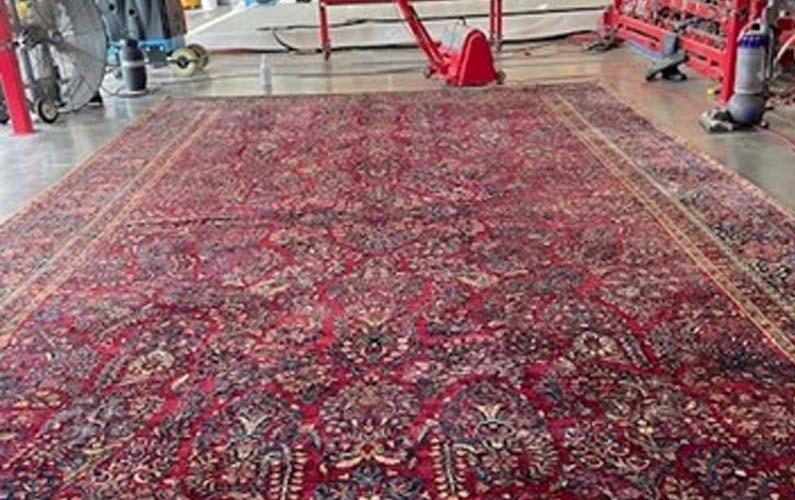
A handmade rug can show its age in small but meaningful ways: a loose fringe at one end, a thinning edge near the sofa, a spot where the pile has opened after years of foot traffic. Handmade rug repair services address those concerns before they turn into larger losses of structure, beauty, and value. The right repair is not about making a rug look artificially new. It is about preserving the character and usefulness of a textile that deserves expert care.
For Omaha and Lincoln homeowners, repair often makes the most sense when a rug has personal history, quality materials, an intricate pattern, or a replacement cost that would be difficult to match. A skilled assessment helps determine what the rug needs now and what can reasonably wait.
What Makes Handmade Rugs Different
Handmade rugs are constructed knot by knot or woven by hand, often with wool, cotton, silk, or blended natural fibers. Their foundation, pile, edges, and fringe are connected parts of the rug’s structure. When one area begins to fail, the damage can spread if it is ignored.
A machine-made rug may have glued or mechanically finished edges. A handmade rug usually relies on hand-wrapped selvages, woven ends, and fringe that is part of the foundation rather than a decorative add-on. That difference matters. A repair method that is acceptable for an inexpensive machine-made rug may be inappropriate for a hand-knotted Oriental, Persian, Turkish, or tribal rug.
General carpet cleaning is not a substitute for specialized rug restoration. Carpet is installed wall to wall and backed differently. A handmade rug needs individual inspection, controlled washing when needed, and a repair approach that respects its fibers, dyes, and construction.
Common Repairs That Protect a Rug’s Structure
Fringe repair and end stabilization
Fringe tends to get noticed first, but it is more than decoration on many handmade rugs. It is often the exposed end of the rug’s foundation. Once fringe becomes worn, detached, or tangled in vacuum brushes, the woven end can begin to unravel.
Repair may involve securing the ends, rewrapping damaged areas, or replacing fringe when replacement is appropriate. The best choice depends on how the fringe was originally made, the rug’s condition, and whether preserving its original materials is the priority. In some cases, stabilizing the end is wiser than adding new fringe that does not match the rug’s age or character.
Edge and selvage repair
The sides of a handmade rug are called selvages. They protect the side warps and help keep the rug from slowly coming apart. When edge binding is loose or missing, foot traffic and vacuuming can pull at the foundation one thread at a time.
Early edge repair is usually less involved than waiting until the rug has lost knots and exposed foundation threads. If you notice curling sides, unraveling, or a thin line of exposed white or tan threads along the edge, it is a good time to have the rug evaluated.
Hole, tear, and worn-area repair
Holes and tears can result from furniture pressure, pet damage, moth activity, dry rot, or years of use in a high-traffic area. Repairing them may require rebuilding portions of the foundation and re-knotting or reweaving the affected area with compatible fibers.
This is detailed work, and the result depends on the rug’s weave, colors, age, and extent of loss. A repair can improve appearance and prevent further damage, but an honest specialist should explain when a repaired area may remain visible on close inspection. For many family rugs and antiques, preservation matters more than making every trace of age disappear.
Moth damage treatment and restoration
Moths are attracted to natural fibers, especially wool that has collected body oils, pet residue, food particles, or dust. They often work quietly beneath furniture or along the back of a rug, leaving weak spots, bare areas, or small holes.
Before repair begins, the rug needs proper inspection and treatment so active moth activity does not continue. Professional washing can remove the organic material that attracts pests, while appropriate moth treatment addresses the infestation. Repairing a damaged section without addressing the cause can leave the rest of the rug vulnerable.
Why Cleaning Often Comes Before Repair
A rug should usually be washed before detailed restoration. Soil settles deep into the pile and foundation, where it can act like fine sandpaper as the rug is walked on. Pet urine, spills, and old residues can also affect fibers and make it harder to evaluate the true condition of a damaged area.
Facility-based washing gives a repair specialist a clearer view of the rug’s colors, construction, and problem areas. It also helps remove odors and contaminants before the rug is handled extensively. This is especially important for rugs that have spent years in a busy entryway, dining room, basement, or pet-friendly home.
There are exceptions. If a rug is extremely fragile, has active dye instability, or is structurally compromised, the order and method of care should be adjusted. That is why an individual assessment is more valuable than a one-size-fits-all repair recommendation.
When Is Handmade Rug Repair Worth It?
The answer is not always based on the rug’s purchase price alone. A rug may be worth repairing because it was inherited, fits a difficult space perfectly, was brought home from travel, or has workmanship that is hard to replace. On the other hand, a repair can be more extensive than a rug’s practical value supports.
A thoughtful recommendation considers the following: the rug’s construction and fiber type, the size and location of the damage, its age and condition, the likelihood of additional deterioration, and your plans for using it. A small edge repair on a quality wool rug can be a smart investment. Rebuilding a large section of a severely weakened rug may be better suited to preservation or limited-display use.
At Omaha’s Rug Cleaning and Restoration, the goal is to recommend the work your rug actually needs, not to sell unnecessary restoration. A clear estimate and straightforward explanation make it easier to choose between immediate repair, cleaning and stabilization, or a plan to monitor the rug over time.
How to Prevent Further Damage at Home
Once a handmade rug has been repaired, a few habits can help protect the investment. Use a properly fitted rug pad to reduce slipping, absorb impact, and limit wear from the floor below. A custom-cut pad can also help prevent a rug from bunching or shifting in busy areas.
Avoid aggressive beater bars and repeated vacuuming along fringe or loose edges. Vacuum the pile carefully, and have fringes gently lifted or cleaned by hand when needed. Rotate the rug periodically so sunlight, foot traffic, and furniture pressure do not wear the same section year after year.
Pet accidents should be addressed promptly. Surface blotting can help in the moment, but urine often travels deeper into the foundation than homeowners expect. Odor can return during humid weather if residues remain in the rug. Professional odor treatment and washing are often the safer choice for natural-fiber rugs.
If you are storing a rug, have it professionally cleaned first and keep it in a dry, protected environment. Storing a soiled rug can invite moths and leave stains or odors to set for months.
What to Expect From a Professional Repair Assessment
A good assessment begins with questions. Where has the rug been used? Has it had pet accidents, water exposure, or moth activity? Has the damage changed recently? Those details help identify whether repair alone is enough.
The rug should then be inspected for fiber condition, dye stability, foundation integrity, fringe and edge loss, and hidden damage on the back. You should receive a practical explanation of the recommended work, expected appearance, and any limits of the restoration. Experienced handmade rug repair services protect both the rug and the homeowner by setting realistic expectations before work begins.
Do not wait for a small loose edge to become a missing corner. A timely inspection can preserve more of the original rug, reduce the scope of restoration, and keep a favorite piece comfortably underfoot for years to come. Your clean, cared-for rugs are waiting – get started with a free estimate when you are ready.