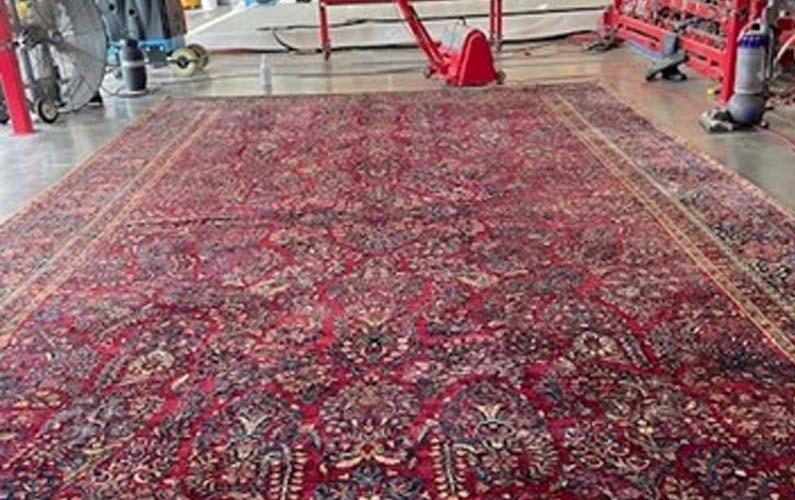
A favorite rug rarely stays in a low-traffic corner. It ends up under the family table, beside the dog’s bed, in the entryway, or beneath the coffee table where drinks are set down every day. A fiber protector for area rugs adds a practical layer of defense against the spills and tracked-in soil that can slowly change a rug’s appearance, feel, and lifespan.
Protection is not a force field, and it does not replace professional washing. It is a treatment designed to help fibers resist absorbing liquid and dry soil so everyday accidents are easier to manage. For homeowners who want to preserve a handmade wool rug, a sentimental heirloom, or simply a beautiful rug that sees a lot of life, that extra response time can make a real difference.
What a Fiber Protector for Area Rugs Actually Does
Area rug fibers have tiny spaces and surfaces that can hold onto oils, dirt, and liquids. Once a spill reaches deep into those fibers, it can wick outward, attract more soil, leave a stain, or create an odor issue. This is especially frustrating with pet accidents, red wine, coffee, cooking oils, and children’s spills.
A professionally applied protector coats individual fibers with a protective barrier. Instead of immediately soaking in, many water-based spills are more likely to bead on the surface for a short time. Dry particles can also be less likely to cling tightly, making regular vacuuming more effective.
That does not mean every spill will sit harmlessly on top of the rug. Heavy amounts of liquid, hot liquids, oily products, and untreated spills can still penetrate. The value of protection is time: time to blot correctly, time to prevent a small accident from becoming a deep-set problem, and time to schedule expert care when needed.
Which Rugs Benefit Most From Protection?
Fiber protection is useful for many rugs, but it is not a one-size-fits-all decision. The rug’s fiber type, dyes, construction, condition, and location all matter. An experienced rug-care professional should evaluate the piece before recommending treatment.
Wool rugs are a common candidate because wool is naturally durable but can absorb liquid and hold soil. A protector can be particularly helpful on a wool rug placed under a dining table, in a busy living room, or in a home with pets. It may also help preserve the visual clarity of lighter colors and detailed patterns that show spots more easily.
Synthetic rugs, including polypropylene, polyester, and nylon styles, can benefit as well. Some synthetics already have stain-resistant properties, so the recommendation depends on the rug’s existing finish and how it is used. A good treatment plan should never be based on assumptions about a rug’s material.
Handmade, antique, silk, viscose, and other delicate rugs require more caution. These fibers may have special cleaning needs, unstable dyes, weakened foundations, or a finish that should not be altered without testing. In some cases, protection is appropriate. In others, careful placement, a quality rug pad, prompt spill response, and scheduled professional washing may be the better preservation strategy.
Protection Works Best After Proper Rug Washing
Applying protector over embedded dirt is like putting a clear coat over dust. It does not solve the underlying problem. For best results, fiber protection should be applied after a rug has been thoroughly washed, soil has been removed, and the rug has been properly dried.
Facility-based rug washing allows specialists to inspect the front, back, fibers, fringes, and foundation of the rug before treatment. This matters because stains, urine contamination, odors, dye concerns, and worn areas should be addressed first. Protecting a rug is most effective when it is part of a thoughtful care plan, not a shortcut around cleaning.
At Omaha’s Rug Cleaning and Restoration, protection recommendations are based on the rug in front of us and the way your household uses it. A formal rug in a quiet guest room needs something different from a family-room rug shared by kids and pets. The goal is to do only the work that helps preserve your investment.
What Fiber Protector Cannot Do
The biggest misunderstanding about rug protection is expecting it to make a rug stain-proof. No treatment can guarantee that every accident will disappear with a paper towel. Some substances, especially oils, dyes, pet urine, and sugary drinks, can still cause damage if they are allowed to sit.
Protector also cannot repair worn fibers, reverse sun fading, stop moth activity, or correct old color loss. It will not remove an existing odor, and it should not be used to cover up a rug that needs professional odor treatment. If a pet has repeatedly used the same area, the contamination may have reached the rug backing, foundation, pad, and even the floor below.
Think of fiber protection as preventative maintenance. It supports good care, but it cannot replace it. Regular vacuuming, quick spill response, appropriate padding, and periodic professional washing still do the long-term work of keeping your rug healthy and attractive.
How to Handle a Spill on a Protected Rug
A protected rug gives you a better chance of responding well, but the first few minutes still matter. Blot the affected area with a clean white towel or absorbent cloth. Press down firmly, then move to a dry section of the towel and repeat. Avoid rubbing, which can spread the spill, distort pile, and push liquid deeper into the fibers.
Use plain water sparingly if needed, and blot again. Do not saturate the rug, use bleach, scrub with a brush, or reach for a harsh store-bought spot remover before knowing the fiber and dye type. Many household cleaners leave sticky residue that attracts soil, while others can cause color loss or texture changes.
If the spill has color, odor, oil, or pet urine involved, take a photo and contact a rug specialist promptly. The right next step depends on what was spilled, how long it has been there, and whether the rug is wool, synthetic, handmade, or delicate.
How Long Does Rug Protection Last?
There is no single timeline because wear varies dramatically from one home to another. A protected rug in a formal room may retain its benefits longer than a rug at a busy entryway or under a dining table. Frequent vacuuming, foot traffic, pets, sun exposure, cleaning methods, and spills all affect performance.
In many homes, reapplication makes sense after professional washing. If you notice that liquids no longer bead as they once did or that the rug seems to soil more quickly, it may be time to ask about another treatment. Waiting until a rug looks heavily soiled is usually not the best way to protect its fibers.
A quality rug pad also helps protect the rug from below. It reduces shifting, cushions foot traffic, and can limit wear caused by friction against the floor. For pet owners and households concerned about moisture, the right pad can be an especially valuable part of the overall plan.
Is Professional Application Worth It?
For a small, inexpensive rug that is easily replaced, a store-bought spray may seem reasonable. But the trade-off is uncertainty. Consumer products can be unevenly applied, may not suit the rug’s fibers, and can leave residue if overused. They also do nothing to address the soil that may already be hiding beneath the surface.
Professional application is often worth considering for rugs with financial or sentimental value, light-colored rugs, natural fibers, handmade construction, and rugs that live in active spaces. The treatment can be applied evenly after cleaning, with the rug’s material and condition considered first.
The best decision is not always “protect every rug.” It is choosing the level of care that fits each rug, its location, and your household. A specialist can help you weigh preservation against cost and avoid treatments that are unnecessary for your particular piece.
Your rugs are part of how your home feels, from the welcome at the front door to the room where everyone gathers. If spills, pets, or daily traffic are putting that investment at risk, ask for a free estimate and a clear recommendation. Your clean rugs are waiting.