A Persian rug can look clean from across the room while holding pounds of fine grit, pet dander, soil, and residues deep in its foundation. That is why cleaning Persian rugs is not the same as cleaning wall-to-wall carpet. Whether your rug is a family heirloom, a handmade wool piece, or a newer decorative rug, the wrong cleaning method can cause dye bleeding, fringe damage, shrinkage, or a stiff, dull finish.
The good news is that regular care can preserve both the beauty and usable life of a rug. The key is knowing what can safely be handled at home, what needs prompt professional attention, and why a true rug-washing process matters.
Why Persian Rugs Need Specialized Cleaning
Persian rugs are often made with wool, cotton, silk, or a blend of natural fibers. Many are hand-knotted, with individual knots secured to a cotton or wool foundation. Their colors may come from dyes that react differently to moisture, cleaning solutions, and changes in pH.
That construction is part of what makes a Persian rug valuable. It is also why aggressive carpet-cleaning methods can create problems. Excessive heat, harsh alkaline products, heavy scrubbing, and incomplete drying may weaken fibers or disturb color. A rug may look brighter immediately after an improper cleaning, only to develop browning, rippling, odor, or color migration later.
It also depends on the rug itself. Some rugs marketed as Persian-style are machine-made synthetic rugs and can tolerate a different process than an antique hand-knotted wool rug. Before any washing begins, the rug should be identified, inspected, and tested. Age, fiber type, condition, dyes, fringe construction, past repairs, pet contamination, and the amount of embedded soil all affect the appropriate treatment.
The Dirt You Cannot See Is the Biggest Concern
Vacuuming removes loose surface debris, but it does not eliminate everything that settles into a rug over time. Grit works its way down through the pile and can reach the foundation. Each step across the rug then presses that abrasive material against the fibers, gradually creating wear.
In Nebraska homes, this is especially common near entryways, under dining tables, and in rooms where pets and children spend time. Snowmelt, sidewalk salt, dust, lawn debris, and everyday foot traffic can all become part of the rug’s soil load. A rug does not need a visible stain to benefit from professional washing.
Routine vacuuming remains worthwhile, but use care. Avoid repeatedly running a beater bar over fringe, and consider turning off the brush roll on delicate, low-pile, or older rugs. Vacuum both sides when appropriate, but never pull a rug by its fringe. Fringe is an extension of the rug’s foundation, not a decorative add-on.
How Often Should a Persian Rug Be Washed?
For most households, professional cleaning every two to four years is a practical starting point. Homes with pets, active children, frequent entertaining, allergies, or heavy traffic may need cleaning more often. A rug in a formal room with little use may safely go longer.
The better question is not whether the rug looks dirty. Consider how it feels, smells, and performs. If the colors seem muted, the pile feels packed down, odors return after vacuuming, or you notice fine grit when lifting a corner, it may be time for a deeper cleaning.
What to Do When a Spill Happens
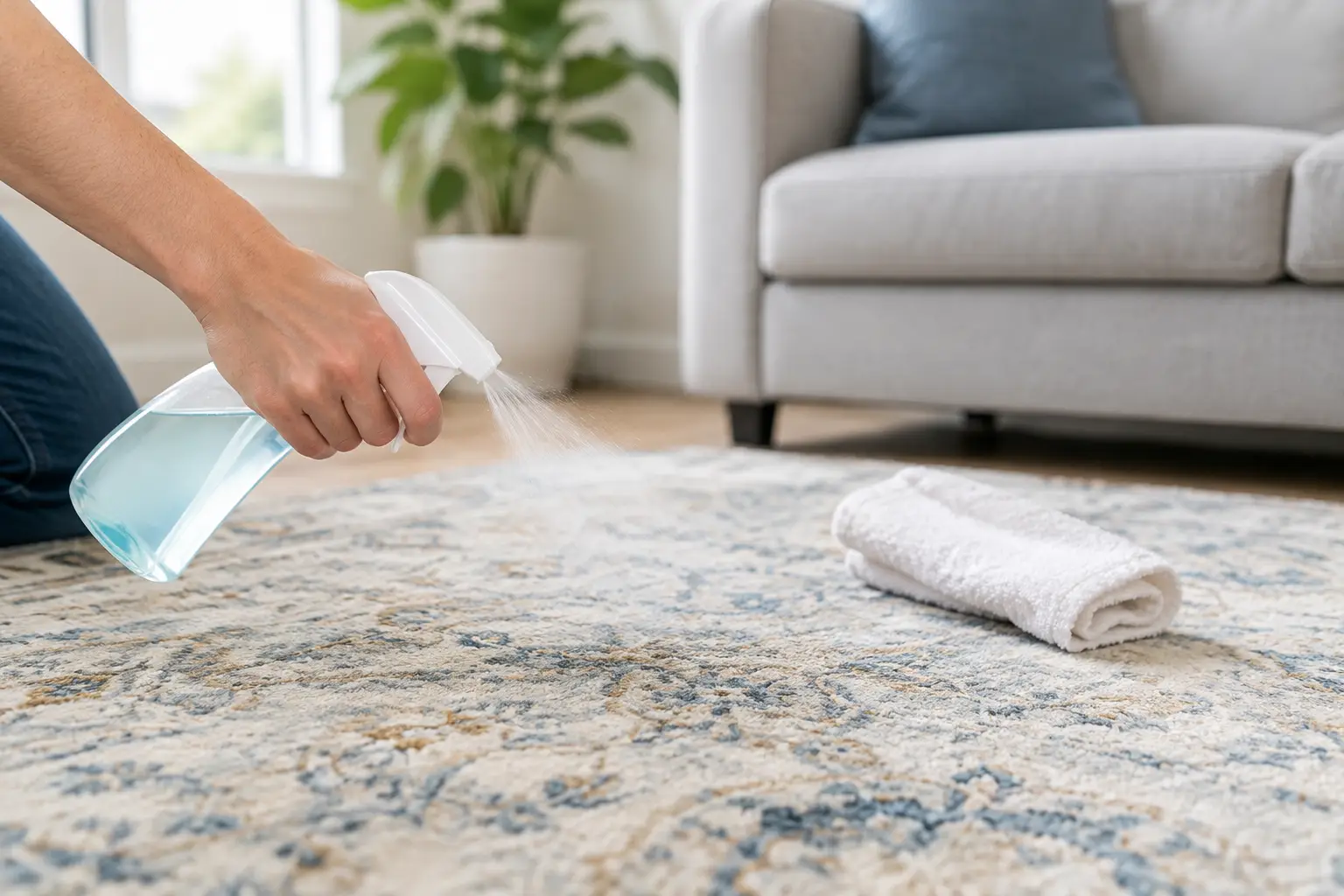
Fast, gentle action can make a major difference. Start by blotting, not rubbing, with clean white towels. Work from the outer edge of the spill toward the center so it does not spread. Replace towels as they absorb moisture, and continue until the transfer lessens.
For a small water-soluble spill, lightly dampen a clean cloth with cool water and blot again. Do not saturate the area. Wool can hold a surprising amount of moisture, and water that reaches the foundation may take much longer to dry than the surface suggests.
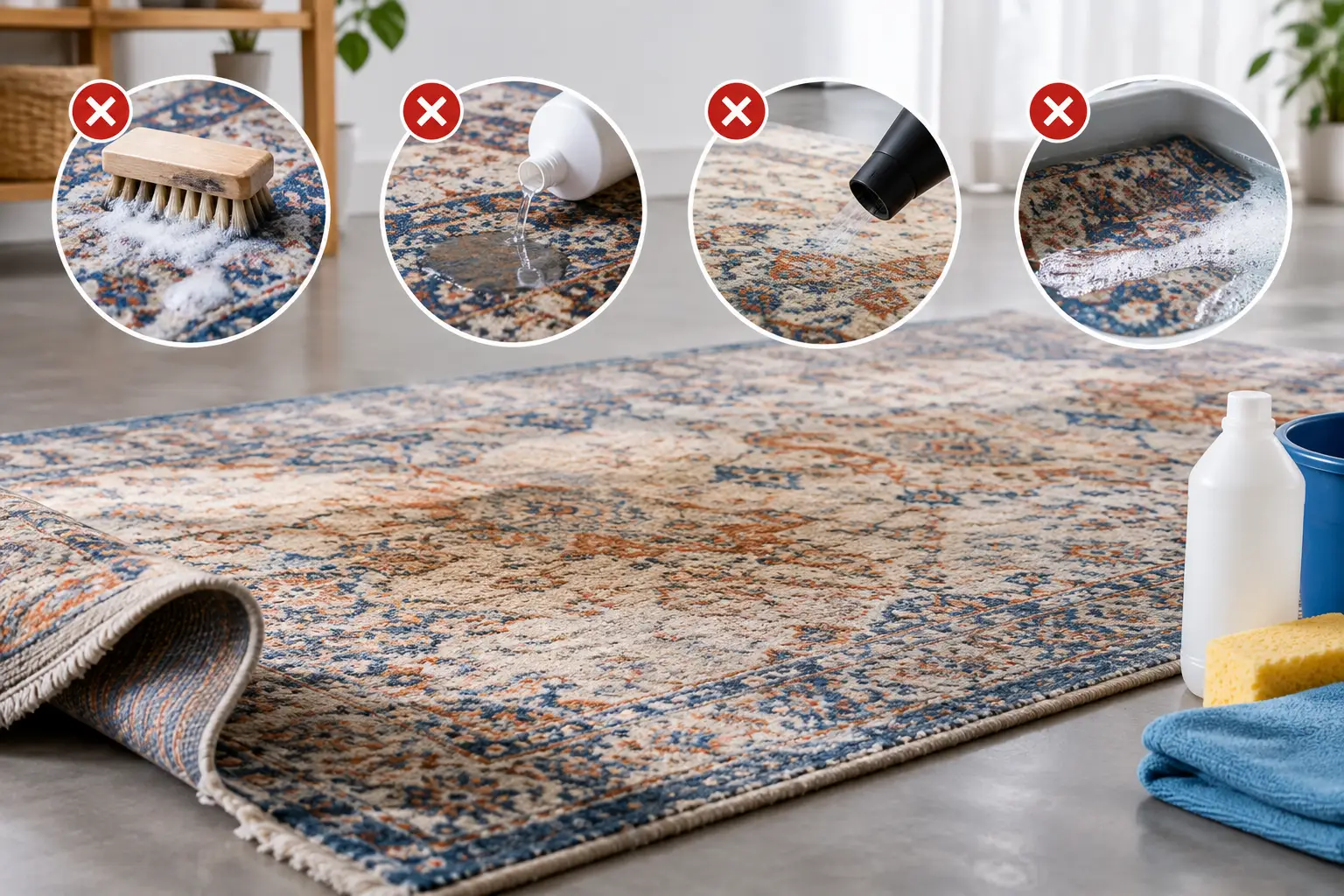
Avoid household stain removers unless you know they are safe for the specific fiber and dyes. Bleach, ammonia, dish soap, oxygen cleaners, and popular online stain recipes can alter color or leave residues that attract more soil. Steam cleaners are also a poor choice for many Persian rugs because heat and moisture can affect dyes, adhesives in some constructions, and natural-fiber foundations.
If the spill involves wine, coffee, grease, pet urine, vomit, or an unknown substance, a professional assessment is often the safest next step. Pet accidents deserve particular attention. The visible spot may be small, but urine can travel through the pile into the backing or foundation. Surface deodorizing may temporarily mask the smell without removing the source.
Why DIY Deep Cleaning Can Be Risky
A rented carpet machine may seem convenient, but it is designed primarily for installed synthetic carpet. Persian rugs need a controlled cleaning process that accounts for both the face fibers and the structure underneath.
Overwetting is one of the most common risks. A rug that is not dried thoroughly and evenly can develop musty odors, browning, dye migration, or distortion. Harsh cleaning chemicals can strip wool of its natural oils, leaving it dry and brittle. Scrubbing can fuzz the pile or pull fibers loose, especially where a rug is already worn.
At-home cleaning has a place for routine maintenance and immediate spill response. It is not the best approach for full washing, urine contamination, old stains, lingering odor, moth concerns, or rugs with fragile fringe and repairs. When a rug is valuable to you, caution is usually less expensive than a restoration project.
What Professional Persian Rug Washing Should Include
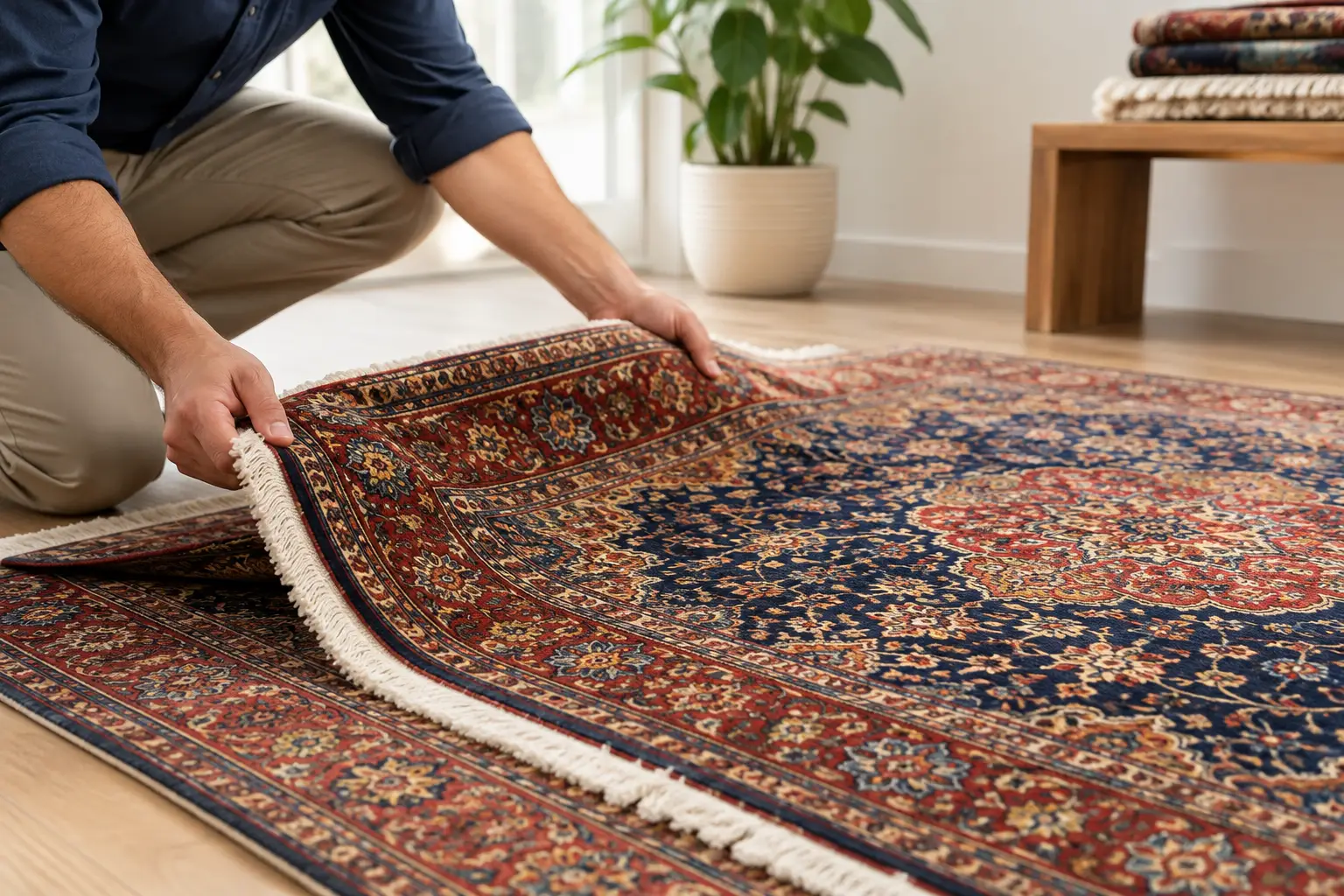
A true rug-cleaning service begins before water touches the fibers. The rug should be inspected for fiber type, dye stability, prior damage, weak areas, stains, odors, and repair needs. That evaluation determines which cleaning solutions and methods are appropriate.
A facility-based process can remove dry soil before washing, treat stains and odor sources more thoroughly, and provide controlled rinsing and drying. This is different from cleaning a rug in place with equipment meant for carpeting. Proper washing is designed to flush away embedded contaminants rather than simply wet the rug and extract from the surface.
Drying is just as important as washing. Natural fibers need careful, complete drying to help preserve their shape, color, and feel. Once clean, a rug can be groomed, inspected again, and evaluated for issues that may have been hidden by soil, such as loose fringe, small holes, unraveling edges, or moth damage.
At Omaha’s Rug Cleaning and Restoration, rugs are treated as textiles worth preserving, not as interchangeable floor coverings. With more than 20 years of specialized experience, the goal is to recommend only the care your rug needs, whether that includes washing, pet odor treatment, hand repair, fringe repair, color correction, moth treatment, or protective care.
Protect the Rug Between Cleanings
Prevention extends the time between professional washings and reduces wear. Use a quality rug pad sized correctly for the rug and floor beneath it. A pad helps prevent slipping, cushions the pile, reduces friction against the floor, and can improve airflow. The right pad matters, particularly over hardwood, luxury vinyl, or other finished surfaces.
Rotate the rug once or twice a year if it receives uneven sunlight or foot traffic. This helps distribute wear and fading more evenly. Keep it away from direct, prolonged sun when possible, and respond to spills promptly. If you are storing the rug, have it cleaned first. Storing a soiled rug can attract insects and allow stains or odors to set.
Watch for changes that seem small: a new odor, curling edges, fringe becoming tangled, colors that appear to run after a spill, or tiny bare patches in the pile. Early attention often makes cleaning or repair simpler and more affordable.
When to Call for Expert Help
Call for professional guidance when a stain keeps returning, a pet odor remains after surface cleaning, colors appear unstable, or the rug stays damp for more than a day. Also seek help before attempting to wash an antique, silk, handmade, or sentimental rug yourself. A quick assessment can prevent permanent damage.
Your rug supports daily life – muddy paws, holiday gatherings, quiet mornings, and everything in between. Giving it thoughtful care protects the investment beneath your feet and helps preserve the stories woven into it for years to come.