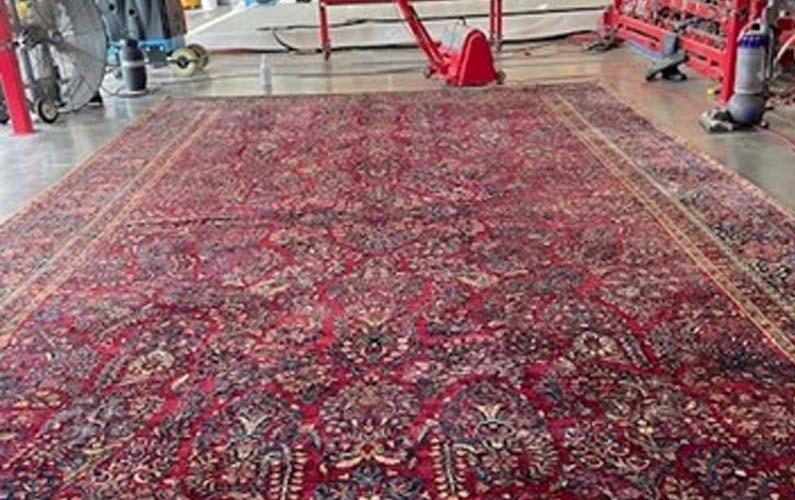
A rug that suddenly looks smaller, puckered, or uneven after cleaning is understandably upsetting. So, can professional cleaning shrink rugs? It can if the rug is cleaned with the wrong method, too much moisture, excessive heat, or poor drying. Proper professional rug washing, however, is designed to identify those risks before cleaning begins and protect the fibers, foundation, dyes, and shape of the rug.
That distinction matters. An area rug is not wall-to-wall carpet. It may contain wool, cotton, silk, viscose, jute, rayon, synthetic fibers, natural dyes, hand-knotted construction, glued backing, or a combination of materials. Each responds differently to water, cleaning solutions, agitation, and drying conditions.
Why rugs can shrink after cleaning
Most rug shrinkage happens when fibers or the rug’s foundation take on moisture and then dry too quickly, too hot, or unevenly. Natural materials are especially prone to movement. Wool fibers can tighten or felt under the wrong combination of moisture, friction, and heat. Cotton foundations can contract, causing a rug to pull inward, curl at the edges, or lose its square shape.
Some rugs do not technically shrink, but they can appear smaller after washing because the foundation has drawn up. A handwoven wool rug with a cotton foundation may develop ripples or a slight distortion when the two materials react differently. A rug with latex or adhesive backing may also buckle, delaminate, or become stiff if it is over-wet.
Heat is often the bigger concern. Hot water extraction, high-heat drying, or leaving a wet rug in a hot environment can create problems that careful washing would avoid. This is one reason an area rug should not automatically be cleaned using the same equipment and process used for installed carpet.
Can professional rug cleaning shrink rugs when done correctly?
A qualified rug-cleaning specialist takes steps to make shrinkage unlikely. The process begins with inspection, not with turning on a cleaning machine. Before washing, an experienced technician considers the rug’s fiber type, construction, age, condition, dyes, backing, previous repairs, and visible concerns such as pet urine or water damage.
That inspection determines whether a rug can be fully washed, needs a low-moisture process, requires dye stabilization, or should receive specialized restoration first. For example, an antique rug with brittle fibers may need gentler handling than a durable machine-made synthetic rug. A viscose rug may need very limited moisture because its fibers can brown, stiffen, or distort easily.
Professional cleaning is not a guarantee that a rug has no existing vulnerabilities. It is a controlled process that reduces avoidable risk. A reputable specialist will explain if a rug has pre-existing weakness, unstable colors, dry rot, deteriorating backing, or prior damage that could affect the outcome. That honest conversation is part of protecting your investment.
The safe rug-washing process makes the difference
Facility-based rug cleaning gives technicians more control than an in-home carpet-cleaning appointment. Rugs can be inspected under good lighting, dry soil can be removed before washing, and the cleaning method can be tailored to the individual textile instead of applied broadly across a room.
A careful process generally includes testing for dye stability, treating stains or odors appropriately, washing with fiber-safe solutions, thoroughly rinsing away soils and residues, and controlling the drying process. Dusting is particularly valuable because dry grit works its way deep into a rug over time. If that abrasive soil remains, washing alone may not fully address the wear happening within the pile.
Drying is not an afterthought. Rugs need to dry evenly and promptly at a controlled temperature. Proper airflow and moisture removal help prevent browning, mildew, dye migration, foundation distortion, and the conditions that can lead to shrinkage. Once dry, the rug can be groomed, inspected again, and evaluated for any needed repair or finishing work.
Rugs that need extra caution
Every rug deserves individual assessment, but certain materials and constructions call for more conservative cleaning decisions. These are not necessarily rugs that cannot be cleaned. They are rugs that should not be treated casually.
Hand-knotted wool rugs often hold significant value and may have cotton foundations that respond differently than the wool pile. Silk rugs can be exceptionally delicate and may show water marks or color changes without careful testing. Viscose, rayon, bamboo silk, and similar fibers are known for their soft sheen but can be especially sensitive to moisture and agitation.
Jute, sisal, seagrass, and other plant-fiber rugs can brown, shrink, or become misshapen if saturated. Rugs with glued or latex backings may react poorly to heavy moisture or aggressive extraction. Older rugs can have weakened fibers, worn fringes, or prior repairs that need attention before the rug is washed.
Fringe deserves special attention because it is often part of the rug’s foundation, not a decorative add-on. Pulling, scrubbing, or over-wetting fringe can damage the structure of a handmade rug. If fringe is worn or detached, repair may be the wiser first step.
What homeowners can do before and after cleaning
The right professional process is the main protection, but homeowners can help preserve a rug between service visits. Avoid using rental carpet machines, strong spot removers, steam cleaners, or heat when you do not know how the fiber will react. A product that works on synthetic carpeting can permanently alter a wool, silk, or viscose rug.
For a fresh spill, blot gently with a clean white towel. Do not rub the spot deeper into the fibers. Use only a small amount of water if needed, and avoid soaking the rug or its backing. Pet accidents deserve prompt attention because urine can travel through the pile and into the foundation, where odor and fiber damage can continue even after the surface appears clean.
After professional cleaning, allow the rug to remain flat until it is fully dry if your cleaner gives that instruction. Use a properly fitted rug pad to reduce slipping, support the rug, and limit wear from foot traffic. Rotate rugs periodically in sunny or high-traffic rooms so fading and compression occur more evenly.
Questions worth asking before you hire a cleaner
A good cleaning company should be comfortable discussing how it handles your particular rug. Ask whether the rug will be cleaned in a dedicated facility or treated in your home like carpet. Ask how the team identifies fiber type, tests dyes, removes dry soil, and controls drying.
It is also reasonable to ask about pet odor treatment, color correction, fringe repair, moth treatment, and padding if those concerns apply. The best recommendation may not be the biggest package. It should be the work your rug actually needs to be clean, stable, and ready for use.
At Omaha’s Rug Cleaning and Restoration, rugs are evaluated as textiles with their own history and needs, whether they are family-room workhorses, inherited pieces, or handmade investments. With more than 20 years of specialized experience, the focus is on careful washing and restoration choices that help preserve what makes each rug worth keeping.
If a rug has already shrunk, curled, or developed ripples after a past cleaning, do not try to stretch it back with heavy furniture or additional water. Some distortion can be improved through professional blocking, controlled drying, repair, or restoration, but the right approach depends on the construction and extent of the damage.
Your rug should come back clean, fresh, and ready to enjoy – not smaller, stiffer, or more fragile than before. A quick professional evaluation before cleaning can provide the reassurance and care your rug deserves.