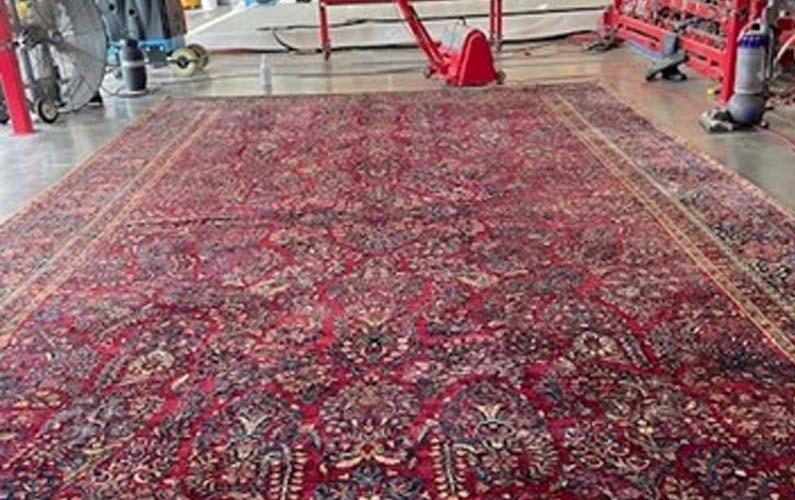
A rug can make a room feel warmer, quieter, and more finished. But if someone in your household starts sneezing more often after spending time on the floor, you may reasonably ask: can area rugs cause allergies? The rug itself is not usually the allergen. The concern is what can settle deep into its fibers over time.
Area rugs can hold dust, pet dander, pollen, dust-mite debris, mold spores, and other airborne particles. This is especially true in high-traffic rooms, homes with pets, and Nebraska households that keep windows open during high-pollen seasons. Regular vacuuming helps, but it does not always remove the embedded material that can affect sensitive family members.
Can Area Rugs Cause Allergies or Make Them Worse?
For people with allergies or asthma, an unwashed rug can contribute to symptoms by acting as a collection point for irritants. Walking across it, sitting on it, letting children play on it, or even adjusting furniture can stir those particles back into the air.
That does not mean every area rug needs to be removed from the home. In many cases, a well-maintained rug is entirely manageable. The right approach depends on the fiber, the rug’s condition, how much traffic it receives, whether pets use the space, and the sensitivity of the people in your home.
A rug may be more likely to aggravate allergies when it has not been properly washed for years, has absorbed pet accidents or moisture, is placed near an exterior door, or has a thick pile that holds more debris. Rugs in bedrooms and family rooms deserve particular attention because those are the rooms where families spend long stretches of time.
What Is Hiding in Rug Fibers?
Most allergy-related rug issues come from ordinary materials that accumulate gradually, often without looking obvious from the surface. A rug can appear clean while holding fine particles closer to its foundation.
Dust and Dust-Mite Allergens
Household dust contains a mixture of skin flakes, textile fibers, soil, and outdoor particles. Dust mites feed on microscopic skin flakes, and their waste particles are a common indoor allergen. Area rugs can give dust a place to settle, particularly underneath furniture and along the edges where vacuuming is often missed.
Pet Dander and Hair
Pet hair is easy to see, but dander is much smaller. It can work down into the pile and cling to rug fibers, even in homes where pets are not allowed on the rug itself. If a pet has had an accident, urine residue can create odor problems that make a room feel less fresh, though odor and allergies are separate concerns.
Pollen and Outdoor Soil
Pollen does not stay outdoors. It rides in on shoes, clothing, pets, open windows, and fresh air moving through the home. During spring and fall, entryway rugs and rugs near doors can collect a surprising amount of pollen and fine soil.
Mold Spores and Moisture-Related Concerns
A rug that has been exposed to flooding, a plumbing leak, repeated pet accidents, or improper cleaning can hold moisture below the surface. That can create conditions where mold or mildew may develop. Musty odors, discoloration, stiffness, or a rug that stays damp for too long are signs that deserve professional attention.
Signs Your Rug May Be Affecting Indoor Comfort
It can be difficult to trace allergy symptoms to one source. Seasonal allergies, HVAC filters, bedding, upholstered furniture, and outdoor exposure can all play a role. Still, a rug is worth investigating if symptoms seem stronger in one room or improve when you are away from home.
Pay attention to repeated sneezing, itchy or watery eyes, congestion, coughing, or asthma symptoms that increase while sitting or playing near the rug. A persistent dusty smell, visible pet hair after vacuuming, or a rug that releases a puff of dust when moved can also indicate that it needs more than routine surface cleaning.
If symptoms are severe, sudden, or affecting breathing, speak with a medical professional. Rug care can reduce one potential source of irritants, but it is not a substitute for medical guidance.
Vacuuming Helps, but It Has Limits
Frequent vacuuming is one of the best habits for reducing what settles into an area rug. Use a vacuum with effective filtration, go slowly enough for the suction to work, and vacuum both directions when the rug construction allows it. For wool, silk, antique, handmade, or delicate rugs, aggressive brushes and beater bars can damage fibers, fringe, and pile, so use care.
Vacuuming removes a portion of dry soil and surface debris. It does not fully flush out sticky residue, fine particles trapped near the backing, old pet contamination, or embedded grime. DIY shampoo machines may add another problem if they leave moisture behind or use cleaning products that are not appropriate for the rug’s fibers and dyes.
A valuable wool, oriental, handmade, or heirloom rug should never be treated like wall-to-wall carpet. Its construction, dyes, foundation, and fringe require a cleaning method designed for rugs, not a quick in-home carpet-cleaning pass.
How Professional Rug Washing Can Help
True area rug washing is designed to address what vacuuming leaves behind. The process should begin with identifying the rug’s fiber type, construction, color stability, condition, and specific concerns such as pet odor, stains, moth activity, or previous damage.
At Omaha’s Rug Cleaning and Restoration, rugs receive facility-based care tailored to their needs. Depending on the rug, that can include dust removal, washing, controlled drying, odor treatment, stain treatment, grooming, and inspection before it returns home. This approach is especially valuable when allergens and dry soil have settled into the foundation rather than remaining on top of the pile.
The goal is not to over-clean or use a one-size-fits-all treatment. It is to remove the soil and contaminants that can shorten a rug’s life while preserving its color, texture, structure, and value. For rugs that have sentimental or financial importance, careful washing is part of investment protection.
A Practical Cleaning Schedule for Allergy-Conscious Homes
There is no single schedule that suits every rug. A low-traffic rug in a pet-free room may need professional washing less often than a family-room rug where children, pets, and daily foot traffic are part of life.
As a general guideline, vacuum regularly and plan for professional rug washing every 12 to 24 months. Consider more frequent cleaning for homes with shedding pets, allergy sufferers, young children, smokers, frequent entertaining, or rugs placed near doors and entryways. A rug with pet urine, a musty odor, visible staining, or a water event should be evaluated sooner rather than later.
The rug pad matters, too. A quality pad supports the rug, reduces shifting, and creates a barrier between the rug and the floor. Old pads can crumble, trap debris, or hold odor after accidents. Replacing a worn pad when needed is a simple way to support a cleaner, more comfortable space.
When Removal Is Not the Best Answer
Some allergy advice treats all rugs as a problem. That can be unnecessarily limiting, especially when a rug protects hardwood floors, softens a room, reduces noise, or carries family history. Removing a rug may make sense for someone with severe, hard-to-control allergies, but for many households, appropriate cleaning and maintenance are the more practical solution.
Choose rugs suited to your household, keep them dry, vacuum carefully, address spills quickly, and have them professionally washed before buildup becomes overwhelming. Your clean rugs are waiting – and a properly cared-for rug can continue making your home feel comfortable without becoming another source of concern.