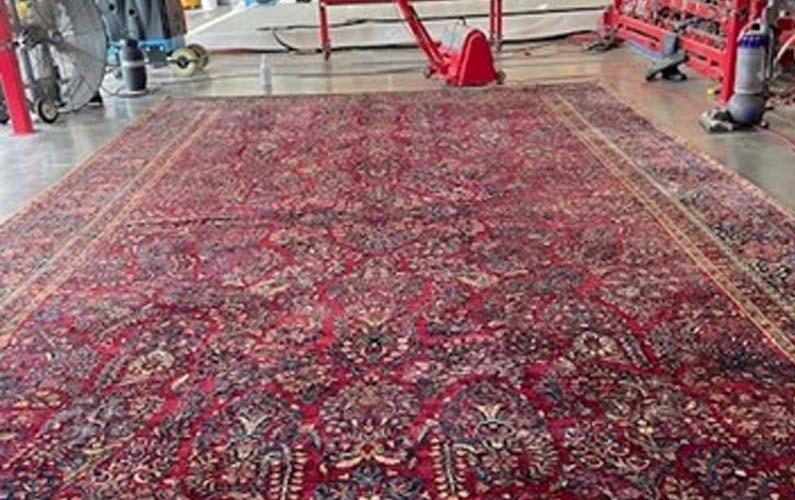
A large wool rug can be awkward to roll, difficult to lift, and even harder to transport without creasing a fringe or dragging it through a dirty garage. Area rug washing pickup delivery removes that burden while giving your rug the specialized, facility-based care it needs. For Omaha, Lincoln, and nearby Nebraska homeowners, it is a practical way to protect a valuable textile without turning rug cleaning into a weekend moving project.
A rug is not just a smaller version of wall-to-wall carpet. Its fibers, dyes, backing, fringe, and construction all affect how it should be cleaned. That is why the convenience of pickup and delivery matters most when it is paired with a true rug-washing process, not a quick cleaning performed in place.
Why Pickup and Delivery Are Worth It for Area Rugs
Many area rugs are heavier than they look. A large wool, cotton, or hand-knotted rug can hold a surprising amount of embedded soil, especially after years in a high-traffic living room, entryway, or dining area. Once moisture, pet accidents, or heavy soil are involved, trying to manage it at home can create more work and more risk.
Professional pickup means you do not have to fold a rug into a vehicle, worry about protecting its edges, or find a way to carry it down stairs. It also creates a better starting point for proper care. The rug can be inspected before washing so its fiber type, dye stability, stains, odors, fringe condition, and repair needs are considered before the cleaning process begins.
Delivery matters just as much at the other end. A freshly washed rug should be fully dried, carefully handled, and returned ready to place back in your home. This is especially useful for oversized rugs, delicate pieces, and rugs being prepared for a nursery, guest room, or seasonal storage.
What Area Rug Washing Pickup Delivery Should Include
Convenience alone is not the goal. The real value is receiving the right cleaning method for the rug you own. A quality service should begin with an assessment, then use a process that addresses both the rug’s visible appearance and the soil trapped deep in its foundation.
At Omaha’s Rug Cleaning and Restoration, rugs are treated as investments that deserve individual attention. That is different from treating every rug like standard carpet. A machine-made synthetic rug may need a different approach than a wool Oriental rug, a silk-blend decorative piece, or a handmade heirloom with fragile fringe.
Inspection Before Cleaning
Before washing, a specialist should look for pre-existing wear, weak edges, color concerns, pet contamination, and previous repair work. This step helps set clear expectations. Some stains, color loss, and wear patterns may be permanent, particularly on older rugs. A careful inspection helps determine what can be improved safely and whether restoration work should be considered.
This is also the time to point out concerns that may not be obvious once the rug is laid flat in your home. A curled corner, loose binding, thinning traffic lane, or damaged fringe can worsen with daily use. Addressing it early may help preserve the rug and prevent a small issue from becoming a larger repair.
Soil Removal and Washing
Vacuuming the top surface does not remove all the dry soil inside an area rug. Grit settles into the fibers and foundation over time, where it can act like sandpaper each time someone walks across the rug. A professional washing process is designed to remove that embedded material, along with oils, tracked-in dirt, allergens, and residue from spot treatments.
The exact process depends on the rug. Fiber identification and dye testing are particularly important for natural fibers and richly colored rugs. Water temperature, cleaning solution, agitation, and rinsing must be chosen with the construction of the rug in mind. The goal is a thorough wash that respects the textile rather than a one-size-fits-all cleaning method.
Odor and Stain Treatment When Pets Are Involved
Pet accidents often require more than a surface deodorizer. If urine has reached the foundation of the rug, odor can return when humidity rises or the rug becomes damp. The source has to be addressed at the appropriate depth, not simply covered with fragrance.
Results depend on several factors, including how long the accident has been present, how many times it occurred, the rug’s materials, and whether previous products set the stain. Honest guidance matters here. Some discoloration cannot be erased completely, but professional odor treatment can often make a major difference in the comfort and cleanliness of your home.
Controlled Drying and Final Review
A rug must be dried thoroughly before delivery. Incomplete drying can leave a rug with a musty smell and may create conditions that are not good for the fibers or backing. Facility-based drying is one reason professional washing is often the better choice for rugs with deep soil, odor concerns, or heavy construction.
Before the rug comes back, a final review provides a chance to confirm that cleaning goals were met and that any recommended repair, protection, or padding needs have been clearly communicated.
When to Schedule Rug Pickup Instead of Cleaning It Yourself
DIY spot care has a place. Blotting a fresh spill promptly with clean, absorbent towels can limit staining, and regular vacuuming helps reduce loose soil. But home methods have limits. Over-wetting a rug, using the wrong product, or scrubbing aggressively can cause color bleeding, browning, pile distortion, and damage to the backing or fringe.
Pickup and professional washing are particularly helpful when a rug has widespread dinginess, noticeable odor, recurring pet accidents, visible traffic lanes, or a residue that seems to attract more dirt after every cleaning attempt. It is also a wise choice before putting a rug into storage. Cleaning first helps avoid storing food particles, body oils, pet residue, and other materials that can attract pests or contribute to long-term deterioration.
For antique, handmade, wool, silk, viscose, or sentimental rugs, it is generally better to ask before applying store-bought stain products. The safest next step may be simple: keep the affected area from spreading, avoid heat, and get a professional assessment.
Preparing for Area Rug Pickup
You do not need to perform a deep cleaning before your rug is collected. In fact, attempting to shampoo it first can make it harder to evaluate odors, stains, and dye issues. A little preparation makes the pickup smoother: move breakable items and small furniture from the rug, note any areas of concern, and let the team know about pet accidents, flooding, smoke exposure, or past cleaning products.
If the rug has special meaning or a known history, share that as well. A family piece, a rug purchased during travel, or an antique find may have construction details that influence cleaning and repair recommendations. Photos sent by text can often help start the estimate conversation, though an in-person inspection may be needed for a final assessment.
Protect the Rug After It Returns
Once your rug is back, the right pad can make a meaningful difference. Rug padding helps reduce slipping, cushions foot traffic, supports the rug’s structure, and can help protect the floor beneath it. The correct pad depends on whether the rug sits on hardwood, luxury vinyl, tile, or carpet, so it is worth choosing one made for your flooring situation.
Rotate rugs in busy areas periodically to distribute wear, and vacuum them regularly without catching or pulling the fringe. If a spill happens, blot rather than scrub. Most importantly, do not wait until a rug looks visibly dirty to schedule washing. Soil builds gradually, and earlier cleaning can help preserve color, texture, and fiber life.
Your rug has already done a lot for your home: softened the room, protected the floor, welcomed family and guests, and held up to everyday life. Letting a local specialist handle the lifting, washing, and return gives it the careful reset it deserves – and lets you enjoy it again without the hassle.