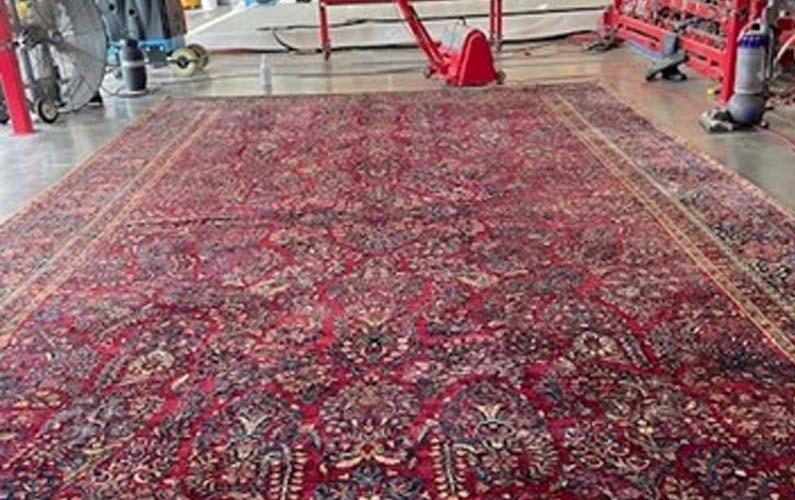
A rug can look clean from across the room while holding a season’s worth of grit, pet hair, pollen, and dried spills deep in its fibers. That is why area rug cleaning Lincoln NE homeowners choose should be more than a quick surface treatment. A well-made rug protects floors, defines a room, and often carries real financial or sentimental value. It deserves care designed for rugs, not a one-size-fits-all carpet-cleaning approach.
Why Area Rug Cleaning in Lincoln, NE Is Different
Nebraska homes ask a lot of their rugs. Snowmelt, road salt, muddy spring weather, dry summer dust, active kids, and pets all leave their mark. Even rugs in quieter rooms collect fine soil that settles below the pile, where ordinary vacuuming cannot reach it.
That embedded soil matters because it acts like sandpaper. Every footstep presses particles against the fibers, gradually dulling color and accelerating wear. Regular professional washing removes the material that makes a rug feel flat, look tired, and age faster than it should.
The right cleaning process depends on the rug itself. A synthetic machine-made rug may tolerate methods that would be risky for a hand-knotted wool rug. Natural fibers, dyes, fringe, construction, prior damage, and the type of stain all affect how a rug should be treated. This is why true rug care begins with inspection, not with a cleaning machine.
What Professional Rug Washing Should Address
A proper facility-based rug washing process allows a specialist to work on the whole textile, including the front, back, foundation, fringe, and edges. It also provides the controlled drying needed to prevent problems caused by lingering moisture.
First, the rug should be evaluated for fiber type, color stability, weak areas, odor sources, and pre-existing wear. Some stains can be treated successfully, while others have permanently altered the fiber or dye. Honest guidance matters here. The goal is to improve the rug safely, not to promise a result that could require unnecessary risk.
Next comes dry soil removal. This step is easy to underestimate, but it is one of the most valuable parts of professional rug care. A rug can hold surprising amounts of dry particulate soil beneath its surface, especially when it has been in a high-traffic entry, family room, or dining area.
Appropriate washing solutions and agitation then release oily residues, tracked-in soil, and many common food or drink spills. Rinsing is equally important. Cleaning residue left behind can attract new soil quickly, making a rug look dirty again sooner than expected. Finally, controlled drying helps protect the rug from mildew, browning, dye migration, and distortion.
Pet Odor Needs More Than a Fragrance
Pet accidents are one of the clearest examples of why rug cleaning is not just cosmetic. Urine can travel through the pile and backing into the rug’s foundation. If it reaches the floor beneath, the odor may remain even after the rug’s surface looks better.
A deodorizing spray may cover the smell for a few days, but it does not remove the contamination. Effective pet odor treatment needs to address the affected fibers and, when necessary, the rug’s back and foundation. The appropriate method depends on how old the accident is, how large the affected area is, and whether the rug is made from wool, silk, cotton, or synthetic fibers.
If a rug smells stronger on humid days, that is a useful clue that residue remains in the rug. Acting early gives a better chance of controlling the odor before repeated accidents or moisture make the problem more difficult.
Stains Require Patience and the Right Expectations
Not every stain is the same. A fresh coffee spill is different from a set-in red beverage stain, and both differ from paint, ink, nail polish, or color transfer. Home remedies can sometimes make the situation worse by setting the stain, causing colors to bleed, or leaving soap behind.
If a spill happens, blot it gently with a clean white towel. Do not scrub, and do not soak the rug. Avoid strong household cleaners unless you know they are safe for that exact fiber and dye type. Take a photo, note what spilled, and let a rug specialist assess the safest next step.
Some stains can be removed completely. Others may be reduced significantly but not disappear. With antique, handmade, or delicate rugs, preservation is often more important than pursuing an aggressive treatment that could harm the original color or pile.
When Cleaning Becomes Restoration
Cleaning and restoration are related, but they are not the same service. Washing removes soil and contaminants. Restoration addresses physical or color-related damage that can worsen if ignored.
Fringe that is unraveling, edges that are pulling away, small holes, moth damage, and faded or bleeding colors all call for a closer look. A loose edge can turn into a larger structural repair after months of foot traffic. Moth damage can continue when rugs are stored without proper inspection and treatment. Color correction may help in certain cases, but it should be evaluated carefully because every rug and dye system responds differently.
This is especially relevant for rugs that are handmade, inherited, or purchased as long-term pieces. Repairing a small issue early is often more practical and more affordable than waiting until the rug needs extensive reconstruction.
Protect the Rug Between Professional Cleanings
Home care supports professional washing, but it cannot replace it. Vacuum regularly, using a setting that does not aggressively pull fringe or delicate fibers. For many rugs, vacuuming both sides periodically helps release dry soil. If the rug has long fringe, vacuum around it rather than running over it with a beater bar.
Rotate rugs every six to 12 months in sunny or high-traffic areas. Rotation spreads wear more evenly and can reduce uneven fading. Use a properly sized rug pad as well. A quality pad adds cushioning, helps prevent slipping, reduces stress on fibers, and creates a layer of protection between the rug and the floor.
For pet owners, prompt cleanup is the best defense. For busy families, professional cleaning before the holiday season, after winter, or when a rug begins to feel dull can keep soil from becoming deeply packed into the pile. The right schedule varies. A rug in a formal guest room may need less frequent washing than one beneath a dining table or near an exterior door.
Choosing Area Rug Cleaning in Lincoln, NE
Before handing over a rug, ask whether the provider offers dedicated rug washing rather than only in-home carpet cleaning. Ask how they identify fibers and test dyes, whether they can treat pet odors at the source, and how they dry rugs after washing. If the rug has fringe, repairs, delicate fibers, or visible color issues, ask whether those details will be inspected before work begins.
Convenience matters, too. Pickup and delivery can be especially helpful for large rugs, while a drop-off option may suit homeowners who prefer to transport a smaller piece themselves. A clear estimate and straightforward explanation of recommended work help you decide what your rug truly needs.
Omaha’s Rug Cleaning and Restoration serves Lincoln-area households with specialized, facility-based care backed by more than 20 years of experience. Whether the concern is everyday soil, a lingering pet odor, or a rug that needs careful repair, the focus should remain on protecting the textile rather than applying a generic cleaning method.
Your rug does not have to be visibly stained to benefit from professional attention. When it feels gritty, looks dull, holds an odor, or simply has carried your home through another busy season, expert washing can help preserve the piece you chose for your space. Your clean rugs are waiting.